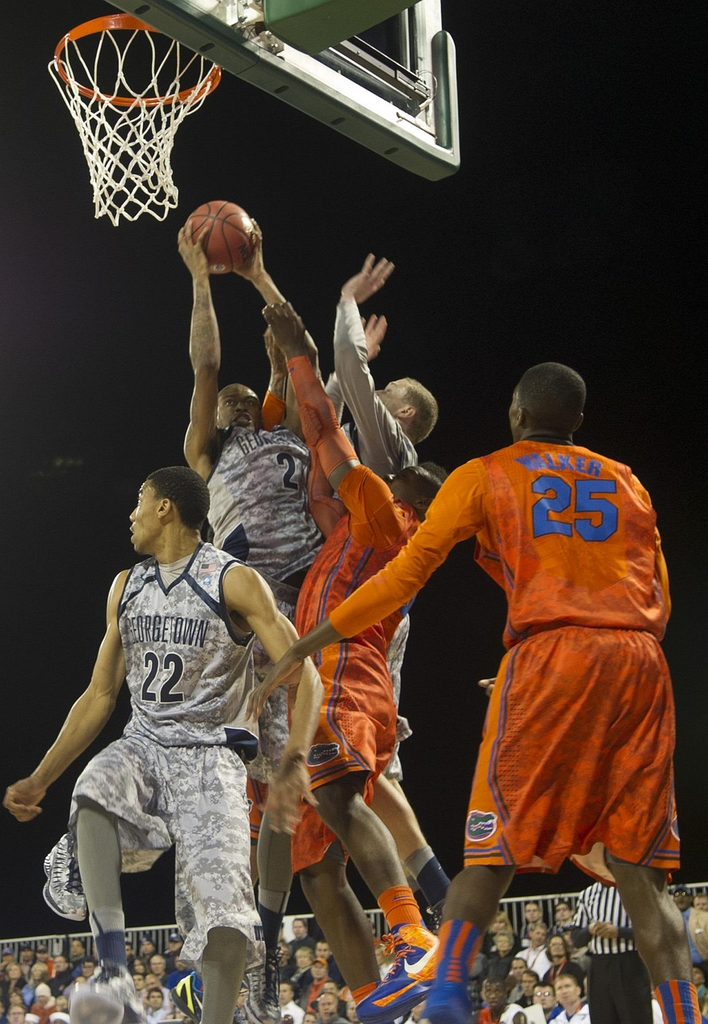
College basketball can significantly impact players' mental health due to intense competition, academic pressures, and high expectations from coaches, peers, and fans. Athletes may experience stress, anxiety, or burnout as they balance sports and studies. Addressing mental health is crucial for their well-being and performance, prompting many programs to offer counseling and support services. Open discussions and resources help reduce stigma and encourage players to seek help when needed.
College Basketball and Mental Health
College basketball can significantly impact players' mental health due to intense competition, academic pressures, and high expectations from coaches, peers, and fans. Athletes may experience stress, anxiety, or burnout as they balance sports and studies. Addressing mental health is crucial for their well-being and performance, prompting many programs to offer counseling and support services. Open discussions and resources help reduce stigma and encourage players to seek help when needed.
💡 Key Takeaways
- Recognize common mental health challenges among college basketball players, including stress, anxiety, depression, and burnout.
- Understand how training load, travel, academics, and injuries can impact sleep, mood, and overall mental well-being.
- Learn practical strategies to protect and improve mental health for athletes, such as routines, mindfulness, communication with staff, and seeking professional help when needed.
- Explore how programs can create a supportive culture, reduce stigma, and connect athletes with accessible mental health resources.
❓ Frequently Asked Questions
What is mental health in the context of college athletics?
Mental health means emotional, psychological, and social well-being; for college athletes, it affects mood, stress management, motivation, sleep, relationships, and performance.
How can college basketball impact a player's mental health?
The sport's demands—competition pressure, travel, practice hours, injuries, and academics—can raise stress and anxiety, while strong support, routines, and purpose can build resilience.
What are common signs that a student-athlete might need support?
Persistent sadness or anxiety, changes in sleep or appetite, withdrawal, declining performance, irritability, or thoughts of self-harm—seek help, especially if danger is present.
Where can a student-athlete seek mental health support?
Campus resources include the athletic department (coaches, trainers, sports psychology), the campus counseling center, student health/primary care, and confidential hotlines; in emergencies, call local emergency services.