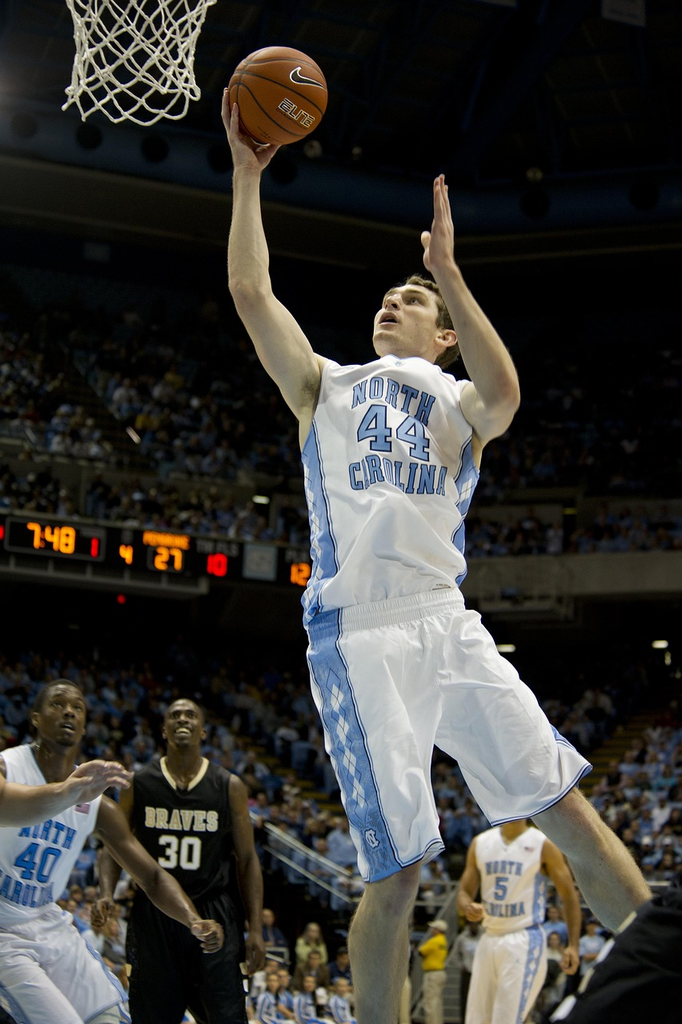
College basketball recruiting violations refer to breaches of NCAA rules by coaches, staff, or boosters during the recruitment of prospective student-athletes. These violations can include offering improper benefits, making unauthorized contact, or providing incentives such as money, gifts, or special treatment to recruits or their families. Such actions undermine fair competition, damage program reputations, and can result in sanctions, including scholarship reductions, postseason bans, or loss of wins for the offending college basketball programs.
College Basketball Recruiting Violations
College basketball recruiting violations refer to breaches of NCAA rules by coaches, staff, or boosters during the recruitment of prospective student-athletes. These violations can include offering improper benefits, making unauthorized contact, or providing incentives such as money, gifts, or special treatment to recruits or their families. Such actions undermine fair competition, damage program reputations, and can result in sanctions, including scholarship reductions, postseason bans, or loss of wins for the offending college basketball programs.
💡 Key Takeaways
- Identify common types of college basketball recruiting violations (improper benefits, contact rules, and extra incentives).
- Explain how NCAA rules govern recruiting and the typical enforcement process.
- Describe possible consequences for programs and individuals (sanctions, scholarship reductions, postseason bans).
- Differentiate between major and secondary violations and how penalties are determined.
- Evaluate hypothetical recruiting scenarios to determine whether they violate NCAA rules.
❓ Frequently Asked Questions
What counts as a college basketball recruiting violation?
Any action that breaks NCAA or conference recruiting rules—such as impermissible benefits, improper contact outside allowed periods, or recruiting help from boosters.
What are impermissible benefits?
Cash, gifts, transportation, housing, meals, clothing, or jobs offered to a recruit or family, or any benefit not available to other students.
What penalties can result from recruiting violations?
Penalties may include scholarship reductions, postseason bans, vacating wins, fines, probation, or show-cause orders for involved staff.
How does enforcement work?
The NCAA investigates allegations, may issue a Notice of Allegations, hold a hearing, and impose penalties if rules are violated.
How can programs stay compliant?
Train staff, follow recruiting calendars, limit contact to allowed windows, avoid booster involvement, document activities, and promptly report concerns.