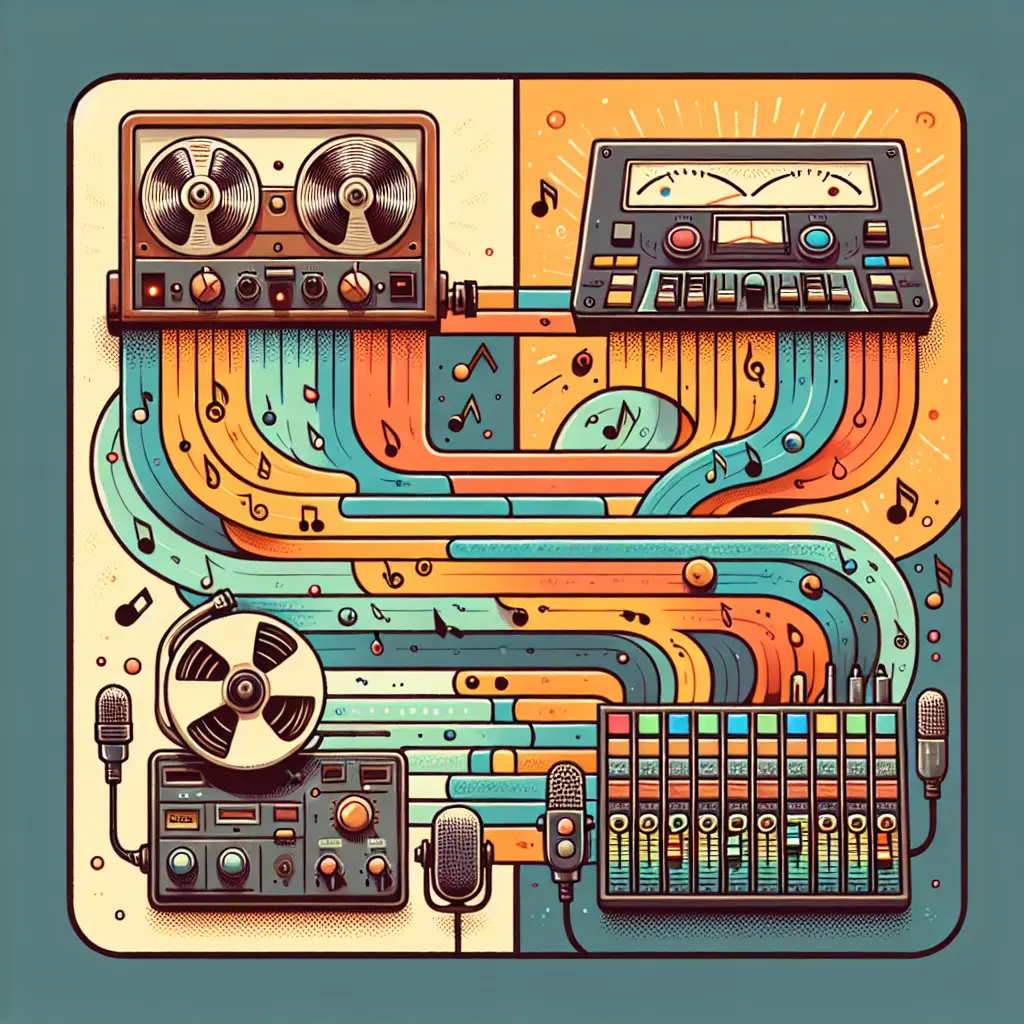
College radio played a pivotal role in the emergence of the Alternative Nation during the 1980s and 1990s. By offering airtime to underground and non-mainstream artists, college stations became incubators for alternative rock, punk, and indie music. This grassroots exposure helped cultivate dedicated fan bases and propelled bands like R.E.M. and Nirvana into the spotlight, ultimately shaping the broader musical landscape and cultural identity of a generation.
College Radio and the Rise of Alternative Nation
College radio played a pivotal role in the emergence of the Alternative Nation during the 1980s and 1990s. By offering airtime to underground and non-mainstream artists, college stations became incubators for alternative rock, punk, and indie music. This grassroots exposure helped cultivate dedicated fan bases and propelled bands like R.E.M. and Nirvana into the spotlight, ultimately shaping the broader musical landscape and cultural identity of a generation.
💡 Key Takeaways
- Understand college radio's role in giving airtime to underground and non-mainstream artists in the 1980s–1990s.
- Learn how college stations incubated alternative rock, punk, and indie music, helping form the 'Alternative Nation'.
- Recognize the grassroots, community-driven model of college radio and its impact on artist exposure and music culture.
- Explain the lasting influence of this era on independent scenes and today's DIY/alternative sounds.
❓ Frequently Asked Questions
What is college radio?
College radio refers to student‑run or college‑affiliated stations that prioritize diverse, non‑commercial programming and frequently showcase underground, independent, and experimental artists not often heard on mainstream radio.
How did college radio contribute to the rise of the Alternative Nation in the 1980s–1990s?
By giving airtime to underground and non‑mainstream artists, college stations helped launch and sustain alternative rock, punk, and indie scenes, connecting them with dedicated listeners and broader audiences.
What genres benefited most from college radio exposure during this era?
Alternative rock, indie rock, punk, post‑punk, and related underground styles.
What does grassroots exposure mean in this context, and why was it important?
It means music promotion driven by local communities and student volunteers rather than major labels, which fostered loyal fanbases, experimentation, and a lasting ecosystem for independent artists.