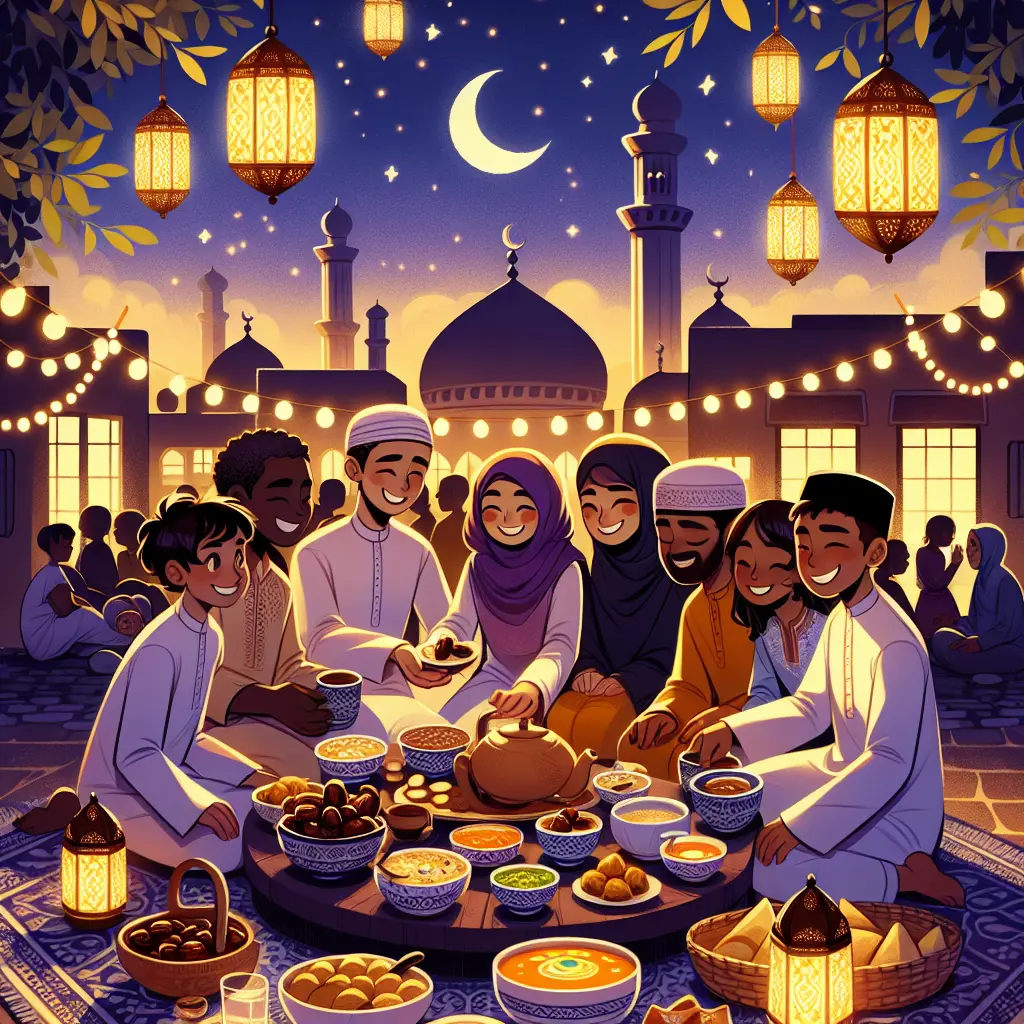
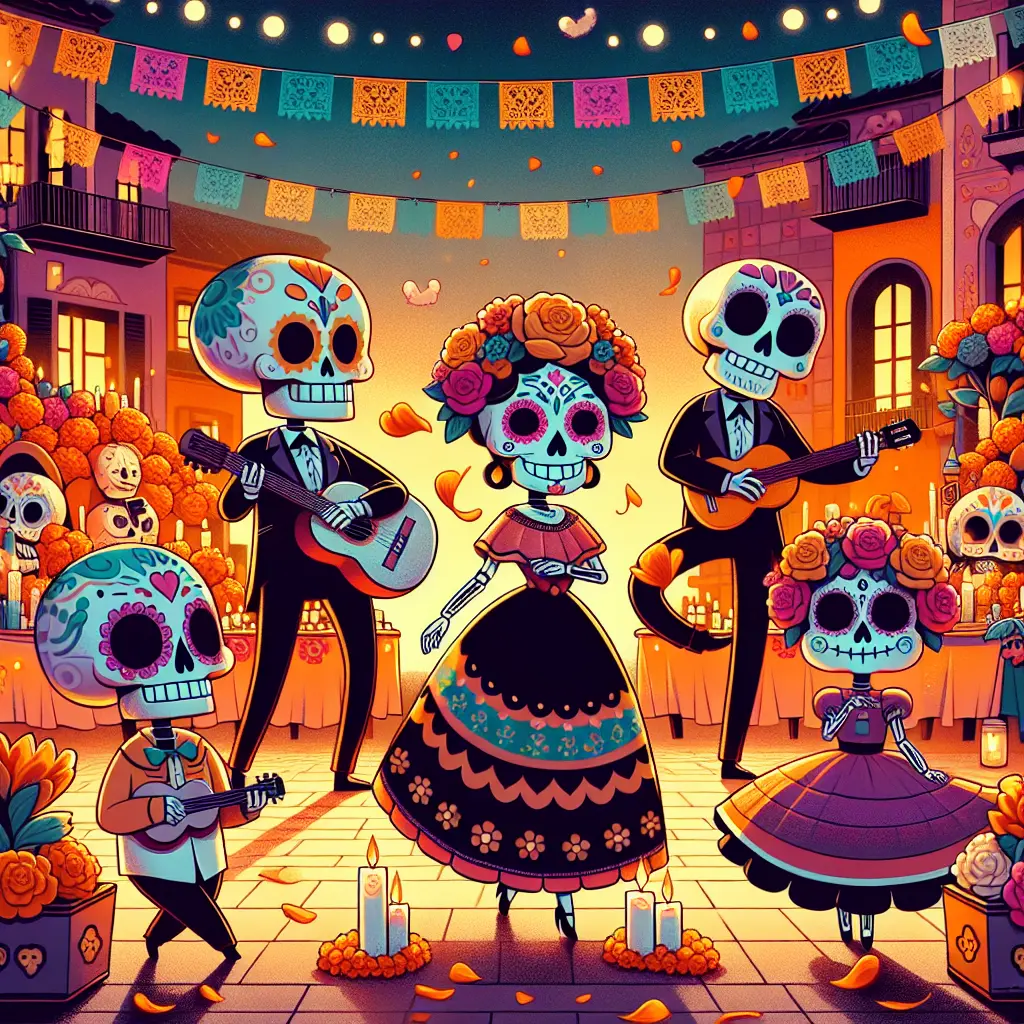
Colonialism often led to significant changes in local festivals, as colonial powers imposed their own cultural, religious, and administrative influences on colonized societies. Traditional celebrations were sometimes suppressed, modified, or blended with foreign customs. This transformation could result in the loss of original meanings, the introduction of new rituals, or the commercialization of festivals. Over time, these changes deeply influenced local identities, cultural expressions, and the ways communities remembered their histories.
Colonialism & Transformation of Local Festivals
Colonialism often led to significant changes in local festivals, as colonial powers imposed their own cultural, religious, and administrative influences on colonized societies. Traditional celebrations were sometimes suppressed, modified, or blended with foreign customs. This transformation could result in the loss of original meanings, the introduction of new rituals, or the commercialization of festivals. Over time, these changes deeply influenced local identities, cultural expressions, and the ways communities remembered their histories.
💡 Key Takeaways
- Explain how colonial rule altered local festival calendars, rituals, and symbols through suppression, modification, or blending with imported traditions.
- Identify the administrative, religious, and educational mechanisms through which colonial powers influenced festival practices.
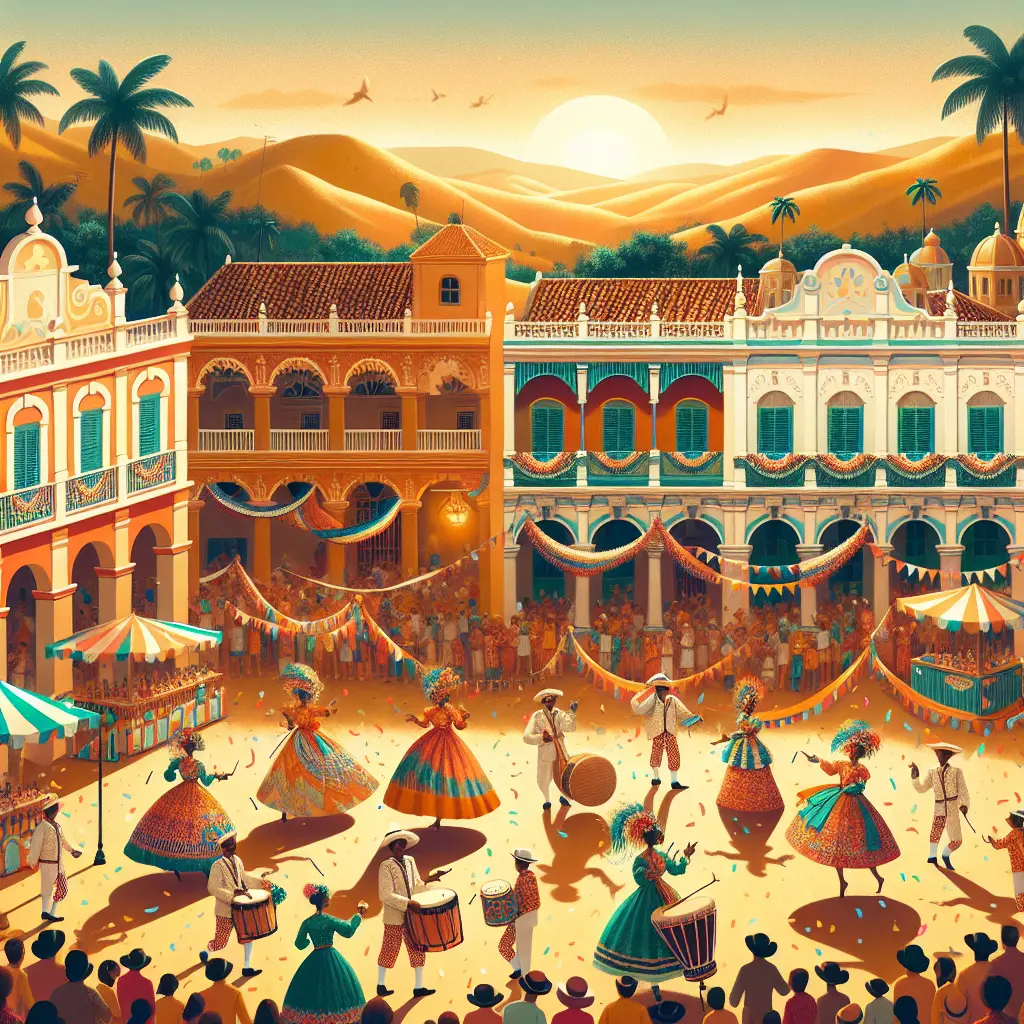
- Explore examples of hybrid or syncretic festivals that emerged from intercultural contact and what they reveal about power, adaptation, and identity.
- Discuss the long-term legacies of colonial transformations on contemporary cultural identity, heritage preservation, and efforts to reclaim traditional celebrations.
❓ Frequently Asked Questions
What does the transformation of local festivals mean in a colonial context?
Local celebrations changed under colonial influence—rituals may have been suppressed, modified, or blended with colonial or Christian practices.
How could colonial powers suppress traditional festivals?
By banning rites, restricting gatherings, changing festival dates to match colonial calendars, or replacing indigenous leaders with colonial authorities in celebration planning.
What is syncretism in the context of festivals?
The blending of indigenous traditions with colonial elements, creating hybrid rituals, symbols, or performances.
Why did colonizers push changes in local festivals?
To assert control, promote particular religions or administrative norms, and integrate local life into colonial governance.
How can researchers identify evidence of festival transformations?
By comparing historical descriptions, records, and oral histories for new elements, vanished practices, or shifts in timing, participants, and symbols.