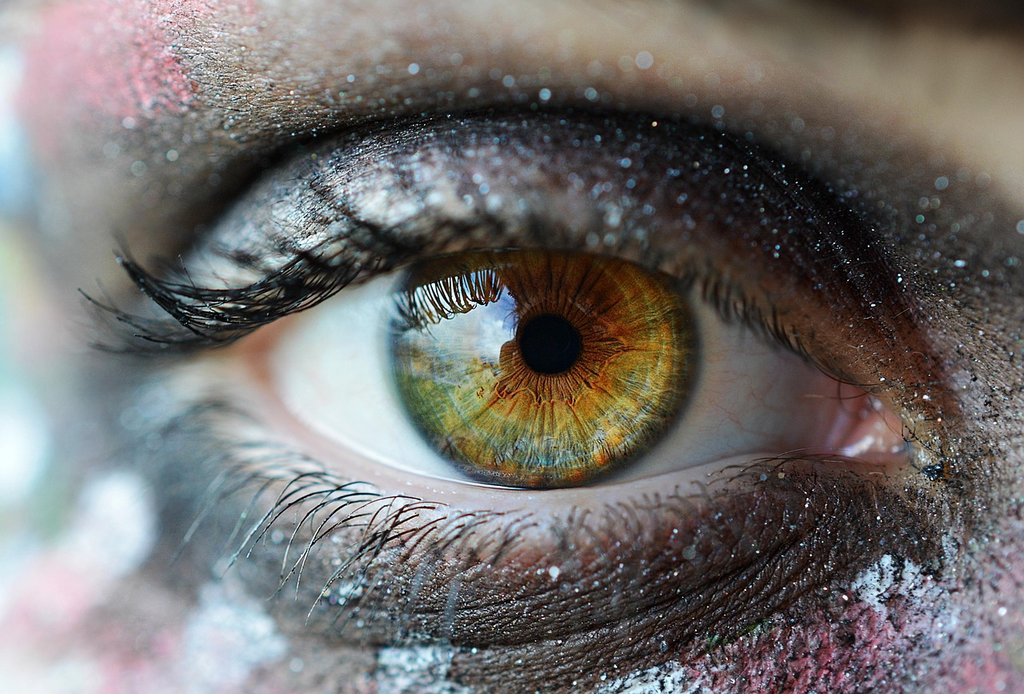
Color blindness is a condition where the eyes cannot distinguish certain colors, most commonly red and green. This occurs due to genetic differences affecting the light-sensitive cells in the retina. While it primarily impacts vision, color blindness can also have emotional effects, as individuals may feel isolated or frustrated by their inability to perceive the world’s full color spectrum. The “eyes and hearts” phrase highlights both the physical and emotional signals involved.
Color Blindness
Color blindness is a condition where the eyes cannot distinguish certain colors, most commonly red and green. This occurs due to genetic differences affecting the light-sensitive cells in the retina. While it primarily impacts vision, color blindness can also have emotional effects, as individuals may feel isolated or frustrated by their inability to perceive the world’s full color spectrum. The “eyes and hearts” phrase highlights both the physical and emotional signals involved.
💡 Key Takeaways
- Understand what color blindness is and how it differs from normal color vision.
- Learn the common types of color vision deficiency (e.g., red-green, blue-yellow) and how they affect perception.
- Discover how color blindness is diagnosed, including screening tests like the Ishihara plates.
- Explore real-world challenges faced by color-blind people and practical strategies or tools to cope in daily life and on screens.
❓ Frequently Asked Questions
What is color blindness?
Color blindness, or color vision deficiency, is the reduced ability to distinguish certain colors, usually due to how the eye’s color‑detecting cells (cones) work.
What are the most common types of color vision deficiency?
The most common are red–green deficiencies (protan/deutan types). Less common are blue–yellow deficiencies (tritan types). A rare condition, achromatopsia, causes almost complete color loss.
What causes color blindness and who is affected?
Most cases are genetic and inherited, more often affecting males. It can also result from eye injuries, diseases, or certain medications.
How is color blindness tested and what helps in daily life?
Tests like the Ishihara plates assess color discrimination. In daily life, using labels, patterns, or color cues can help navigating colors, though there’s no universal cure.