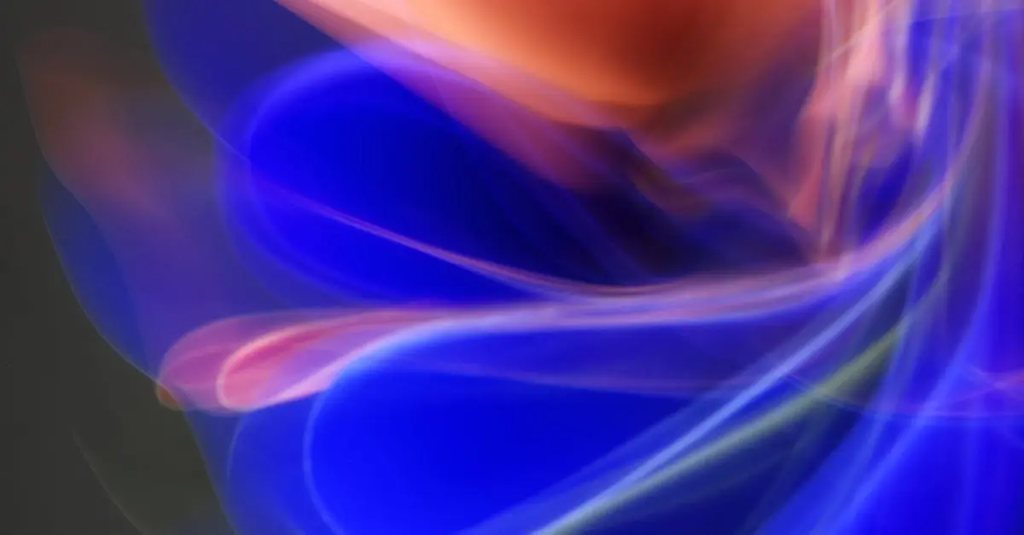
Color Field Painting is an abstract art movement that emerged in the 1940s and 1950s, characterized by large expanses of unbroken color spread across the canvas. Artists like Mark Rothko, Barnett Newman, and Helen Frankenthaler sought to evoke emotion and contemplation through simplicity, focusing on color’s expressive potential rather than recognizable forms or dynamic brushwork. This movement emphasized the flatness of the canvas and aimed to create immersive, meditative visual experiences.
Color Field Painting
Color Field Painting is an abstract art movement that emerged in the 1940s and 1950s, characterized by large expanses of unbroken color spread across the canvas. Artists like Mark Rothko, Barnett Newman, and Helen Frankenthaler sought to evoke emotion and contemplation through simplicity, focusing on color’s expressive potential rather than recognizable forms or dynamic brushwork. This movement emphasized the flatness of the canvas and aimed to create immersive, meditative visual experiences.
💡 Key Takeaways
- Understand the defining features: large canvases, flat color fields, minimal form.
- See how color relationships and scale evoke mood rather than narrative.
- Identify key artists (e.g., Rothko, Newman) and how their approaches differ.
- Contrast Color Field Painting with Abstract Expressionism and related movements.
❓ Frequently Asked Questions
What is Color Field Painting?
A mid-20th-century abstract movement featuring large, flat areas of color intended to evoke mood and immerse the viewer, with minimal visible brushwork.
Which artists are most associated with Color Field Painting?
Prominent figures include Mark Rothko, Barnett Newman, Helen Frankenthaler, Morris Louis, and Kenneth Noland.
How does Color Field Painting differ from Abstract Expressionism?
Color Field Painting emphasizes expansive color fields and a contemplative mood, with less emphasis on dynamic brushwork or gesture.
What techniques are commonly used in Color Field Painting?
Techniques include staining or pouring paint to create flat, even color fields, sometimes with hard or soft edges.
What is the typical aim or effect of Color Field paintings on viewers?
To provoke reflection and a meditative experience through pure color and scale, rather than telling a story.