Color schemes refer to the thoughtful selection and combination of colors in visual arts and design, significantly impacting the mood and emotional response of viewers. By using harmonious, contrasting, or monochromatic palettes, artists and designers can evoke feelings such as calmness, excitement, warmth, or tension. Mastery of color schemes is essential for effective communication, as it guides visual focus and sets the overall atmosphere in artworks, branding, and visual presentations.
Color Schemes & Mood Creation
Color schemes refer to the thoughtful selection and combination of colors in visual arts and design, significantly impacting the mood and emotional response of viewers. By using harmonious, contrasting, or monochromatic palettes, artists and designers can evoke feelings such as calmness, excitement, warmth, or tension. Mastery of color schemes is essential for effective communication, as it guides visual focus and sets the overall atmosphere in artworks, branding, and visual presentations.

💡 Key Takeaways
- Understand how color choices influence mood and emotional response in visuals.
- Identify and apply common color harmony schemes (analogous, complementary, triadic) to create a cohesive mood.
- Use color properties (hue, saturation, value) to modulate intensity and atmosphere.
- Ensure accessibility and readability by checking contrast and considering color vision deficiencies.
❓ Frequently Asked Questions
What is a color scheme?
A planned palette of colors used together in a design to create harmony and a specific mood.
How can color choices affect mood and perception?
Colors evoke emotions and associations (e.g., blue for calm, red for energy); combining them can change the vibe and readability of a design.
What are common color harmonies and how do they work?
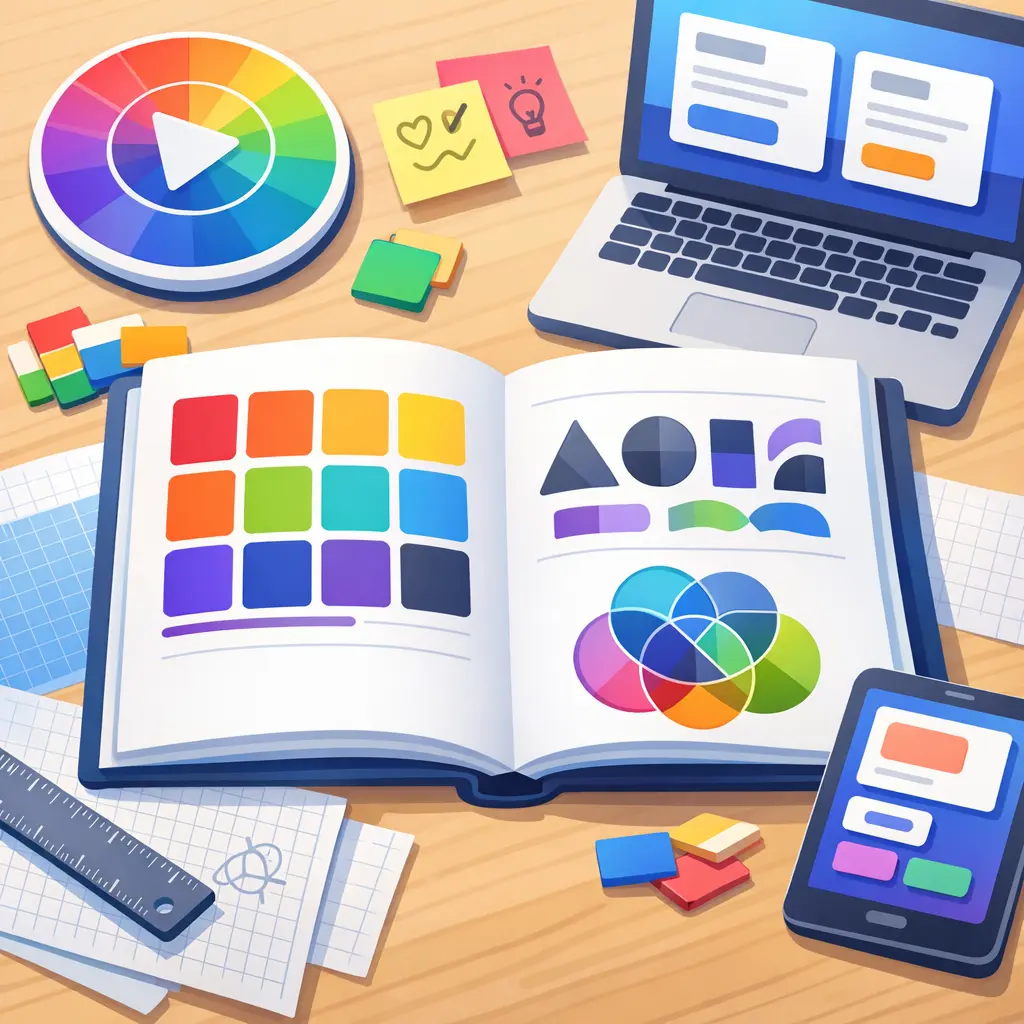
Complementary: opposite colors; Analogous: colors next to each other on the color wheel; Triadic: evenly spaced colors; Monochromatic: variations of one color. They provide balance and mood.
How do warm and cool colors influence mood?
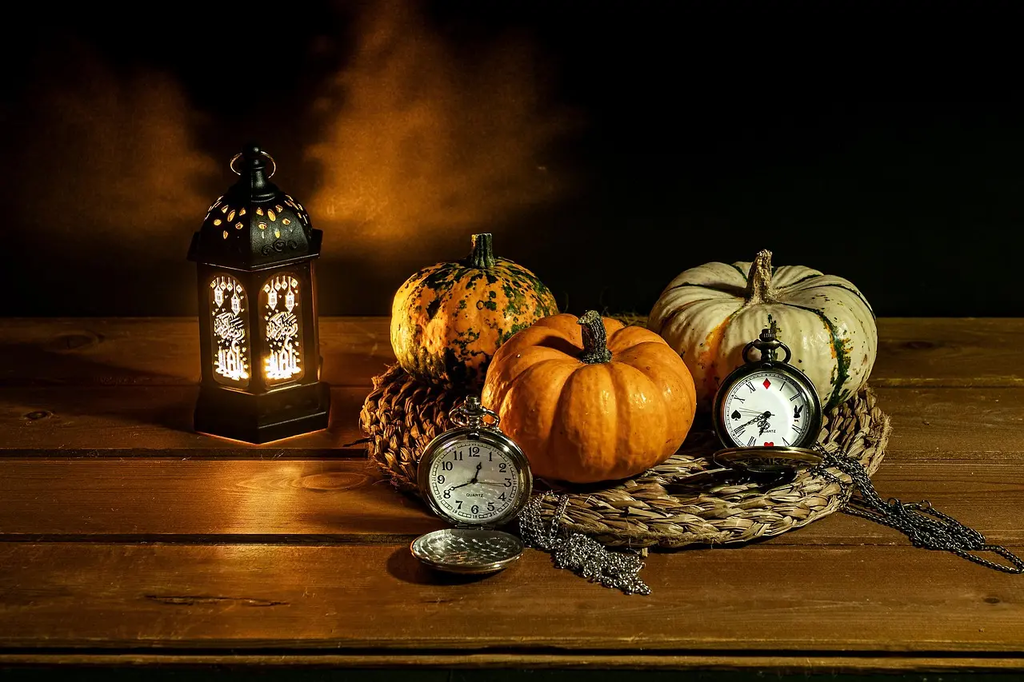
Warm colors (reds, oranges, yellows) feel energetic and inviting; cool colors (blues, greens, purples) feel calm and soothing. They also affect perceived space.
What is color psychology and why does it matter for mood creation?
Color psychology studies how colors affect feelings and behavior. Using it helps you craft a deliberate mood in visuals and branding.