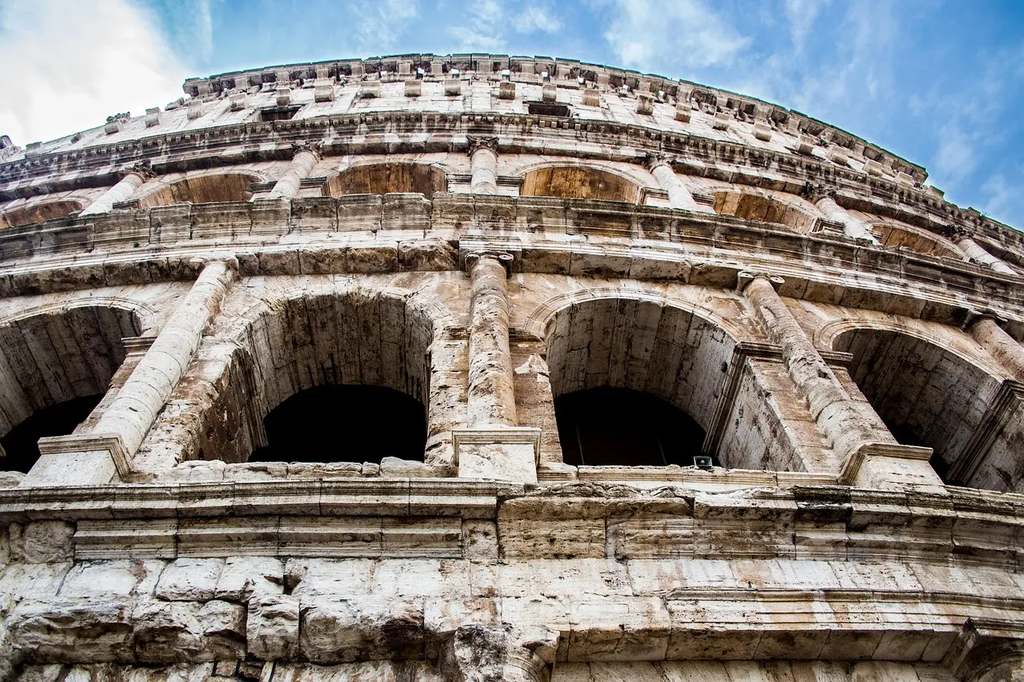
The Colosseum, located in Rome, Italy, is an ancient amphitheater and one of the most iconic landmarks in the world. Built around 70-80 AD, it once hosted gladiatorial contests, public spectacles, and events for thousands of spectators. Renowned for its impressive architecture and engineering, the Colosseum symbolizes the grandeur of the Roman Empire and remains a major tourist attraction, celebrated as one of the New Seven Wonders of the World.
Colosseum+50
The Colosseum, located in Rome, Italy, is an ancient amphitheater and one of the most iconic landmarks in the world. Built around 70-80 AD, it once hosted gladiatorial contests, public spectacles, and events for thousands of spectators. Renowned for its impressive architecture and engineering, the Colosseum symbolizes the grandeur of the Roman Empire and remains a major tourist attraction, celebrated as one of the New Seven Wonders of the World.
💡 Key Takeaways
- Understand the Colosseum's role as a venue for gladiatorial games and public spectacles
- Learn about its iconic architecture—the ellipse, seating tiers, arena floor, and the hypogeum
- Explore the engineering feats and materials used in its construction
- Recognize the cultural and political significance of the Colosseum in Roman society
- See how the Colosseum influenced modern stadium design and preservation efforts
❓ Frequently Asked Questions
What is the Colosseum and where is it located?
The Colosseum, also known as the Flavian Amphitheatre, is an ancient Roman arena in the heart of Rome, Italy.
When was it built and who funded it?
Construction began around 70–72 CE under Emperor Vespasian and was completed under Titus, funded with the spoils of warfare.
What events were held there?
Public spectacles such as gladiator combats, animal hunts, executions, and mock naval battles.
What are its notable architectural features?
An elliptical amphitheater built with travertine, tuff, and brick-concrete, with tiered seating and vomitoria for crowd movement; capacity estimates range from 50,000 to 80,000.