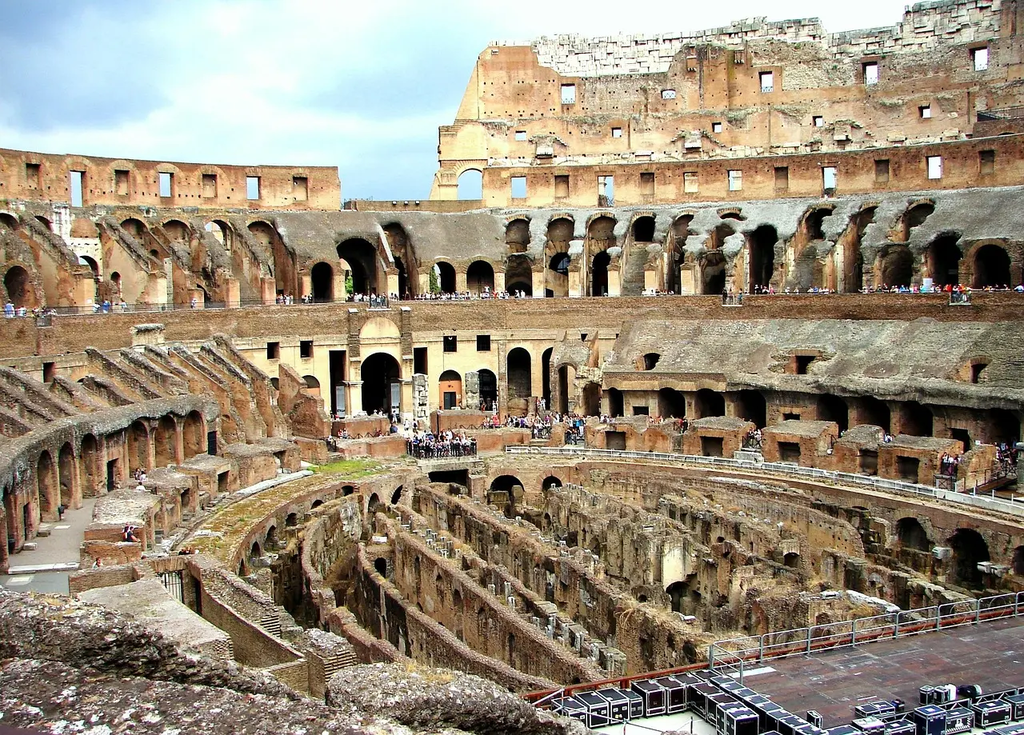
The Colosseum, located in Rome, Italy, is an iconic ancient amphitheater renowned for its grand architecture and historical significance. Built around 70-80 AD, it once hosted gladiatorial contests, public spectacles, and events for thousands of spectators. As one of the most recognizable landmarks in the world, the Colosseum symbolizes the power and engineering prowess of the Roman Empire and remains a popular destination for travelers exploring famous historic sites.
Colosseum+50
The Colosseum, located in Rome, Italy, is an iconic ancient amphitheater renowned for its grand architecture and historical significance. Built around 70-80 AD, it once hosted gladiatorial contests, public spectacles, and events for thousands of spectators. As one of the most recognizable landmarks in the world, the Colosseum symbolizes the power and engineering prowess of the Roman Empire and remains a popular destination for travelers exploring famous historic sites.
💡 Key Takeaways
- Understand the Colosseum's original purpose as a venue for public spectacles (gladiator games, animal hunts, and mock naval battles) and its role in Roman politics.
- Identify key architectural features: elliptical arena, vast vaults and arches, the underground hypogeum, and the durable materials like travertine limestone and brick.
- Learn how the design managed large crowds, including seating tiers, multiple entrances, and the retractable velarium for sun and shade.
- Recognize its preservation challenges, UNESCO status, and enduring influence on architecture and tourism.
❓ Frequently Asked Questions
What is the Colosseum and where is it located?
The Colosseum is a large oval amphitheater in the heart of Rome, Italy, built in ancient times and officially known as the Flavian Amphitheatre.
When was the Colosseum built and by whom?
Construction began under Emperor Vespasian (c. AD 70–72) and was completed under his son Titus (around AD 80), with later modifications during Domitian's reign.
What events were held at the Colosseum?
Gladiatorial games, animal hunts, and various public spectacles such as mock naval battles, staged for entertainment and political messaging.
Why is the Colosseum considered significant?
It is a premier example of ancient Roman engineering and architecture, capable of seating tens of thousands and influencing stadium design for centuries.