Comet impact events in the solar system refer to occasions when comets, icy bodies originating from regions like the Kuiper Belt or Oort Cloud, collide with planets, moons, or other celestial objects. These impacts can cause significant changes, such as creating craters, altering atmospheres, or even influencing the development of life. Notable examples include the Shoemaker-Levy 9 comet impact on Jupiter in 1994, which highlighted the dynamic nature of our solar system.
Comet Impact Events
Comet impact events in the solar system refer to occasions when comets, icy bodies originating from regions like the Kuiper Belt or Oort Cloud, collide with planets, moons, or other celestial objects. These impacts can cause significant changes, such as creating craters, altering atmospheres, or even influencing the development of life. Notable examples include the Shoemaker-Levy 9 comet impact on Jupiter in 1994, which highlighted the dynamic nature of our solar system.
💡 Key Takeaways
- Understand what comet impact events are and how they differ from asteroid impacts.
- See how a comet's high velocity and icy composition affect the energy released, crater formation, and potential climate effects.
- Learn the key evidence scientists use to identify past comet impacts (craters, ejecta layers, and extraterrestrial materials).
- Explore the possible role of comets in delivering water and organic compounds to early Earth and their significance in planetary history.
❓ Frequently Asked Questions
What is a comet impact event?
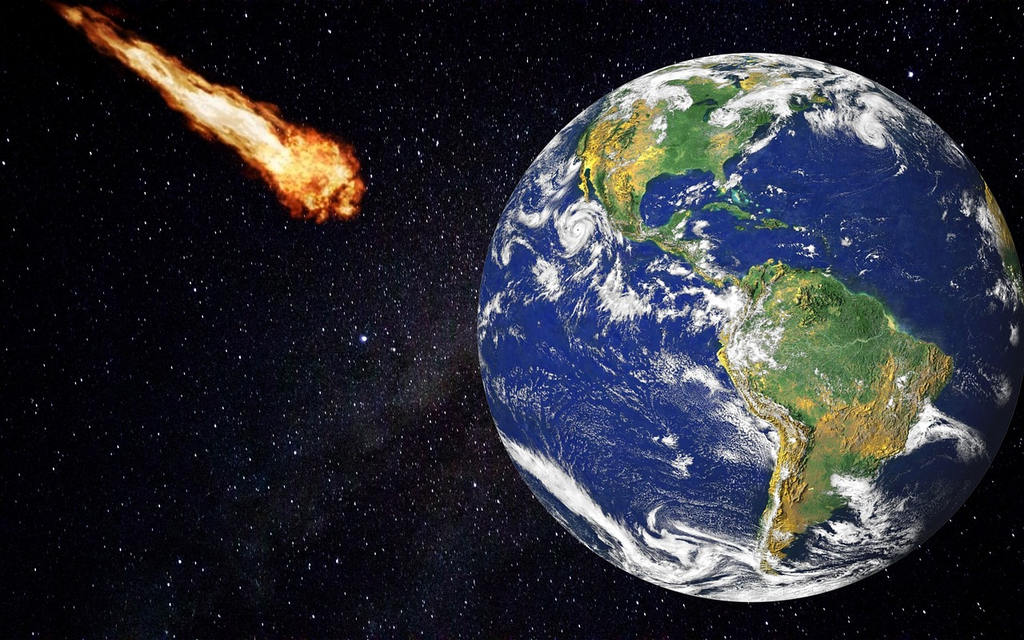
A comet impact event occurs when a comet—an icy, dusty body from the outer solar system—collides with a planet or moon, releasing energy, creating craters, and ejecting material.
How do comet impacts differ from asteroid impacts?
Comets are icy and often originate farther from the Sun, typically hitting at higher speeds and delivering more vapor and dust. Asteroids are usually rocky or metallic, leading to different crater signatures.
What is a famous example of a comet impact event?
Comet Shoemaker-Levy 9 collided with Jupiter in 1994, leaving visible impact plumes and scars on the planet's atmosphere.
How do scientists study and detect comet impacts?
Scientists observe impacts on planets with telescopes, analyze crater morphology and ejecta, use spacecraft data, and run models to understand impact frequency and effects.