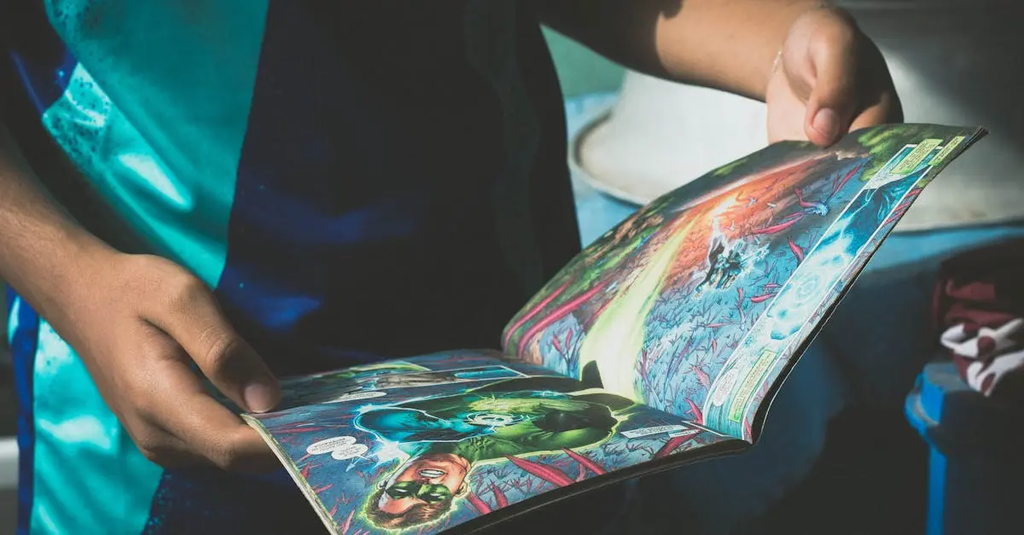
Comic book genres refer to the various categories or styles within comic books, each with distinct themes, settings, and storytelling techniques. Popular genres include superhero, science fiction, fantasy, horror, romance, crime, and slice of life. These genres allow creators to explore diverse narratives and appeal to different audiences. The wide range of comic book genres has contributed to the medium’s global popularity and cultural impact, offering stories for readers of all ages and interests.
Comic Book Genres
Comic book genres refer to the various categories or styles within comic books, each with distinct themes, settings, and storytelling techniques. Popular genres include superhero, science fiction, fantasy, horror, romance, crime, and slice of life. These genres allow creators to explore diverse narratives and appeal to different audiences. The wide range of comic book genres has contributed to the medium’s global popularity and cultural impact, offering stories for readers of all ages and interests.

💡 Key Takeaways
- Identify defining themes, settings, and archetypes of major comic book genres (heroic, sci-fi, fantasy, horror, romance, crime, slice-of-life).
- Describe common storytelling techniques and visual styles used across genres (tone, pacing, panels, imagery).
- Explain how genre conventions shape plot structure and reader expectations in comics.
- Explore how genres blend or subvert expectations to create hybrid or innovative comic works.
❓ Frequently Asked Questions
What is a comic book genre, and how is it defined?
A genre groups comics by common themes, settings, and storytelling styles (e.g., superhero stories focus on heroics; sci‑fi emphasizes technology and space; slice of life highlights everyday moments).
What are some common comic book genres?
Popular genres include superhero, science fiction, fantasy, horror, romance, crime, and slice of life. Each has distinct tones, settings, and tropes.
How do genres influence storytelling techniques in comics?
Genres guide pacing, visuals, and focus: superheroes favor action and high-stakes conflict; horror builds suspense and fear; slice of life centers on character interactions and daily events.
Can a comic belong to more than one genre?
Yes. Many works blend elements from multiple genres (e.g., sci‑fi thriller or fantasy romance), creating hybrid genres.
How do you identify a comic's primary genre?
Look at the core themes, typical settings, and the type of conflicts and goals the characters pursue.