"Commodity histories: corn, soy, and the American diet" refers to the exploration of how staple crops like corn and soy have shaped food production, consumption patterns, and economic systems in the United States. These commodities are not only dietary staples but also foundational to processed foods, livestock feed, and biofuels. Their histories reveal the transformation of agriculture, the rise of industrial farming, and the profound impact on American eating habits and health.
Commodity histories: corn, soy, and the American diet
"Commodity histories: corn, soy, and the American diet" refers to the exploration of how staple crops like corn and soy have shaped food production, consumption patterns, and economic systems in the United States. These commodities are not only dietary staples but also foundational to processed foods, livestock feed, and biofuels. Their histories reveal the transformation of agriculture, the rise of industrial farming, and the profound impact on American eating habits and health.
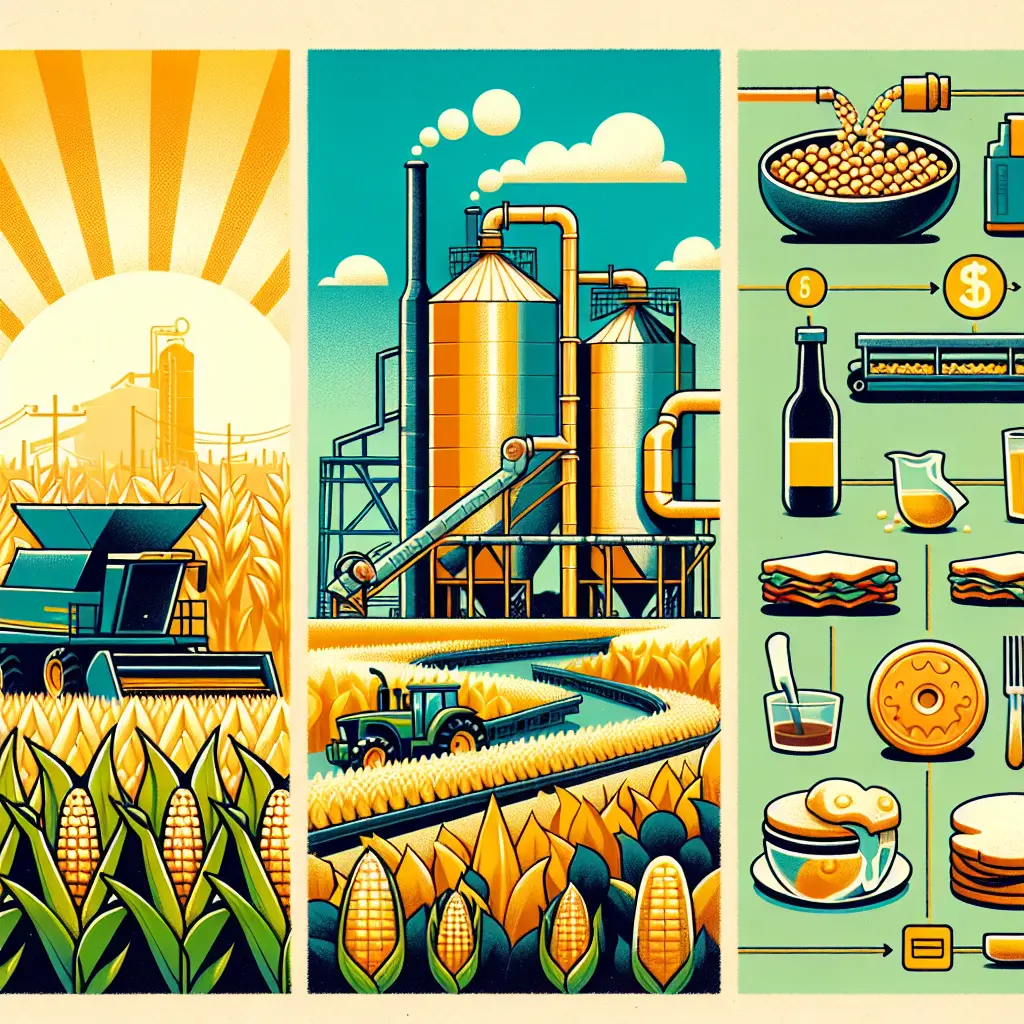
💡 Key Takeaways
- Trace how corn and soy became dominant crops shaping U.S. farming, processing, and diets.
- Explain how these commodities influence food production systems, pricing, and distribution in the United States.
- Analyze the policy and economic forces like subsidies and trade that steer crop choices and consumer diets.
- Explore how corn and soy underpin the growth of processed foods and everyday American eating patterns.
❓ Frequently Asked Questions
What does 'commodity histories' mean in this article?
It means tracing how corn and soy evolved from farm crops into standardized, traded commodities that shape U.S. farming, markets, and everyday eating.
How did corn become a staple in the American diet?
Its high yields, versatility in food and industry, and policy support helped it dominate farming and influence processed foods, animal feed, and sweeteners.
How has soy shaped the American diet and economy?
Soybeans provide oil and protein, are widely used in animal feed and processed foods, and drive trade, farming decisions, and price dynamics.
What role do government policies play in corn and soy production?
Subsidies, crop insurance, and biofuel mandates influence what gets planted, how much is produced, and prices, shaping the availability of corn- and soy-based products.