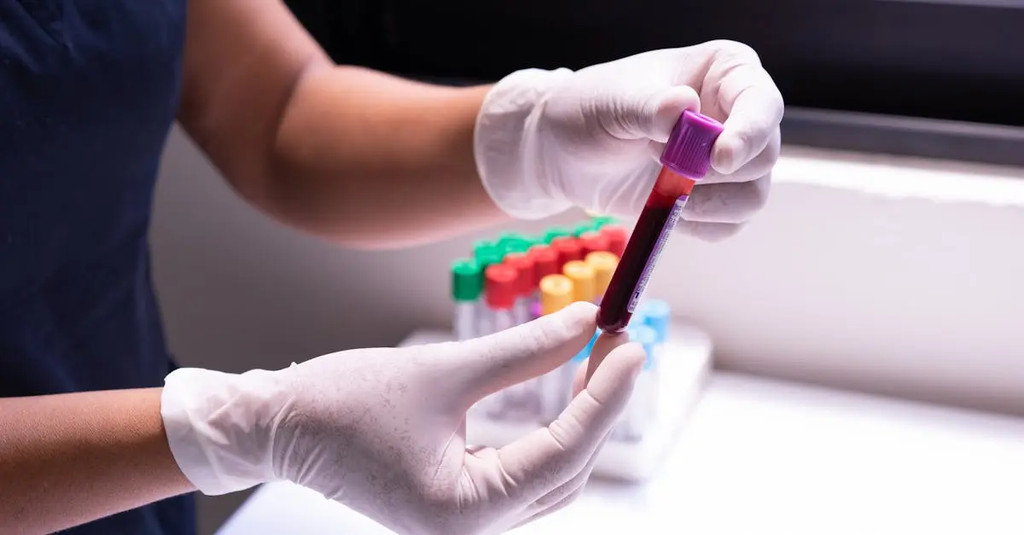
Common diagnostic tests such as bloodwork and urinalysis are essential tools used by healthcare professionals to assess a patient’s overall health and detect potential medical conditions. Bloodwork involves analyzing a blood sample to measure components like red and white blood cells, electrolytes, and glucose levels. Urinalysis examines urine for substances such as proteins, glucose, and signs of infection, helping to diagnose diseases affecting the kidneys, urinary tract, and other organs.
Common Diagnostic Tests (Bloodwork, Urinalysis)
Common diagnostic tests such as bloodwork and urinalysis are essential tools used by healthcare professionals to assess a patient’s overall health and detect potential medical conditions. Bloodwork involves analyzing a blood sample to measure components like red and white blood cells, electrolytes, and glucose levels. Urinalysis examines urine for substances such as proteins, glucose, and signs of infection, helping to diagnose diseases affecting the kidneys, urinary tract, and other organs.
💡 Key Takeaways
- Understand how bloodwork and urinalysis help veterinarians assess a pet’s overall health and detect potential conditions.
- Know key blood test components for pets (red and white blood cell counts, platelets, electrolytes, and kidney/liver function markers) and what abnormal results may indicate.
- Recognize what a pet urinalysis evaluates (appearance, specific gravity, protein, glucose, blood, crystals, and bacteria) and how findings relate to urinary tract and kidney health.
- See how these tests are used together with clinical signs to diagnose, monitor disease, and guide treatment decisions.
❓ Frequently Asked Questions
What is veterinary bloodwork and what does it typically include?
Bloodwork usually includes a CBC (complete blood count) and a chemistry panel. The CBC checks red and white blood cells and platelets to look for anemia, infection, or clotting issues, while the chemistry panel evaluates electrolytes, kidney and liver function, glucose, and proteins.
What is a urinalysis in pets and what can it reveal?
A urinalysis examines urine appearance, concentration (specific gravity), and sediment under a microscope, plus dipstick tests for substances like protein, glucose, ketones, and blood. It helps detect urinary tract infections, kidney disease, diabetes, and dehydration.
Why are bloodwork and urinalysis often ordered together?
They provide complementary information about a patient’s health, helping detect diseases early, monitor chronic conditions, and guide treatment decisions or anesthesia risk assessments.
How should I prepare and what samples are needed for these tests?
A vet may request fasting for certain chemistry tests. Bring a fresh urine sample in a clean container if asked. Blood is drawn by a clinician; keep your pet calm and follow any pre-test instructions from your veterinarian.