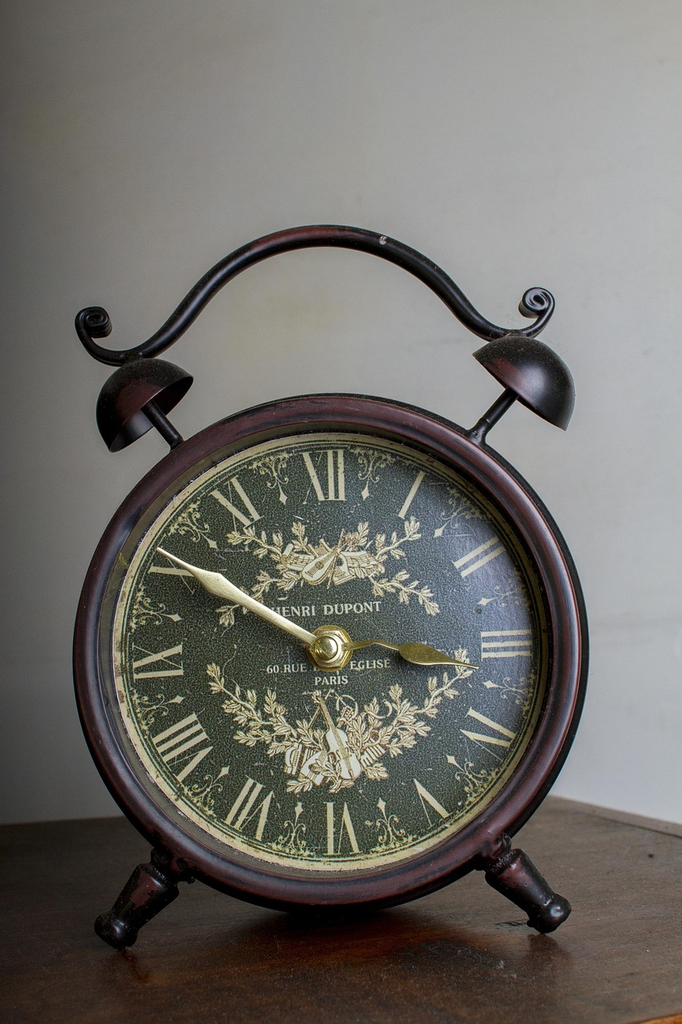
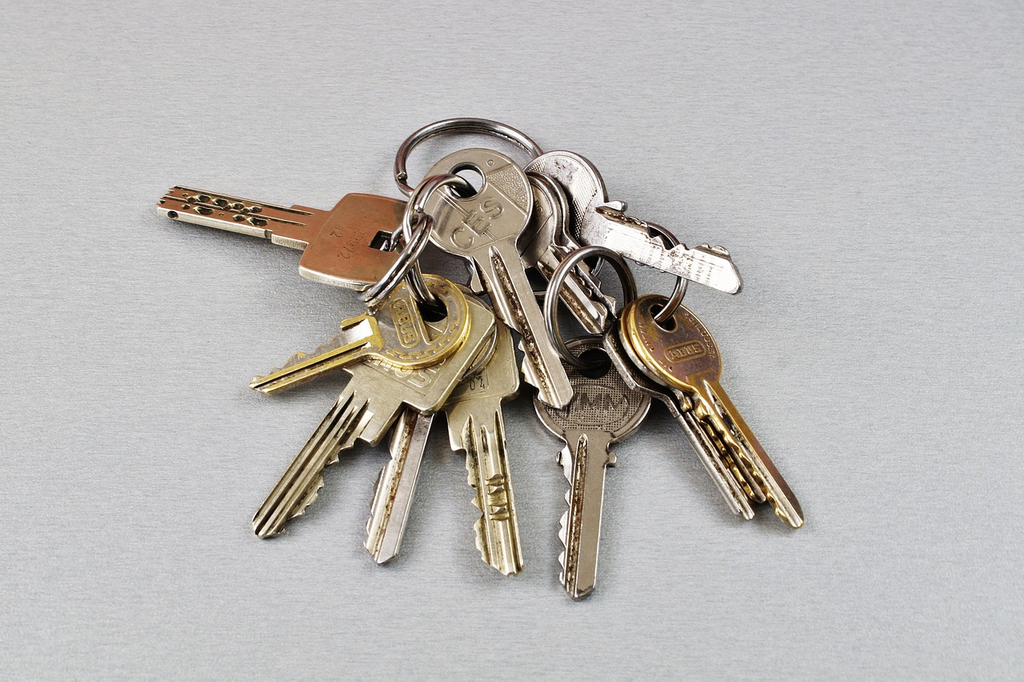
Common Key Shapes refer to the various standard forms and designs of keys used in daily life, particularly for locks found in clocks and other essential items. These shapes are crafted to fit specific locks, ensuring security and functionality. Recognizing common key shapes helps individuals identify the correct key for different locks in everyday objects, making daily routines smoother and more efficient by simplifying access and organization.
Common Key Shapes+50
Common Key Shapes refer to the various standard forms and designs of keys used in daily life, particularly for locks found in clocks and other essential items. These shapes are crafted to fit specific locks, ensuring security and functionality. Recognizing common key shapes helps individuals identify the correct key for different locks in everyday objects, making daily routines smoother and more efficient by simplifying access and organization.
💡 Key Takeaways
- Identify and name common geometric shapes (circle, triangle, square, rectangle, pentagon) and their defining features.
- Differentiate shapes by the number of sides, angles, and symmetry to recognize them quickly.
- Apply shape recognition to real-world examples and simple design tasks for practical relevance.
- Practice identifying shapes under timed conditions to improve recall and accuracy.
❓ Frequently Asked Questions
What does 'key shapes' refer to in this article?
It means the physical blade outlines or profiles of keys—the shapes that fit locks—such as single-sided, double-sided, skeleton, dimple, and tubular keys.
What are the main key shapes you might see, and how do they differ?
Common shapes include single-sided (teeth on one edge), double-sided (teeth on both edges), skeleton keys (long with an ornate bow), dimple keys (dimples on the blade), and tubular keys (round, hollow blade).
How does key shape affect lock compatibility?
A lock’s keyway is designed for a specific blade profile and pin arrangement; using a mismatched shape may prevent entry or rotation.
Can you change or copy a key to a different shape?
You can copy a key with the same shape. Using a different shape typically requires a different lock or rekeying, and some shapes need specialized blanks or tools to duplicate.
How can I identify the key shape for a lock?
Look at the blade: where the teeth or dimples are, the edge type, and the blade profile, then compare with manufacturer specs or ask a locksmith to confirm the correct key shape.