Common seafood refers to a variety of edible marine and freshwater creatures frequently consumed around the world. Popular examples include shrimp, crab, lobster, clams, oysters, mussels, squid, and various fish like salmon, tuna, and cod. These seafood items are enjoyed in numerous dishes and snacks, from sushi and chowders to fried fish and seafood platters, making them staples in many culinary traditions and cultures globally.
Common Seafood
Common seafood refers to a variety of edible marine and freshwater creatures frequently consumed around the world. Popular examples include shrimp, crab, lobster, clams, oysters, mussels, squid, and various fish like salmon, tuna, and cod. These seafood items are enjoyed in numerous dishes and snacks, from sushi and chowders to fried fish and seafood platters, making them staples in many culinary traditions and cultures globally.
💡 Key Takeaways
- Identify common seafood types (fish and shellfish) and what makes them unique.
- Learn basic seafood safety: freshness indicators, storage, and cross-contamination prevention.
- Explore common cooking methods for seafood (grilling, steaming, baking) and tips to avoid overcooking.
- Understand simple flavor pairings and seasoning approaches for everyday seafood dishes.
❓ Frequently Asked Questions
What counts as common seafood, and what are some examples?
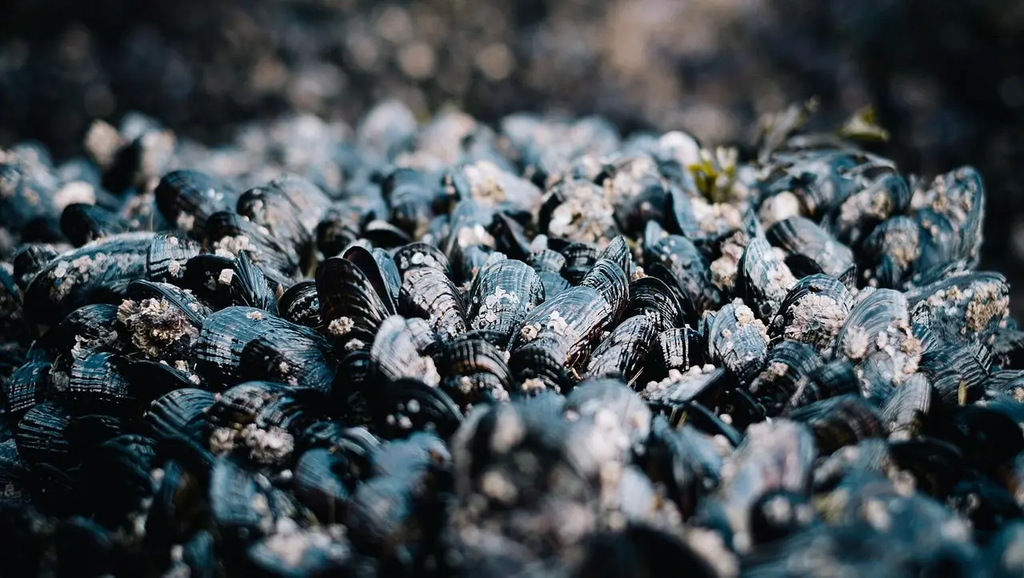
Seafood includes fish and shellfish. Common categories are fish (e.g., salmon, tuna), crustaceans (e.g., shrimp, crab, lobster), and mollusks (e.g., clams, mussels, oysters, scallops).
How can you tell if seafood is fresh?
Fresh seafood should smell like the sea, not strongly fishy. The flesh should be firm and spring back. For whole fish, eyes should be clear; for shellfish, shells should be closed and close when tapped.
How should seafood be stored at home?
Refrigerate at 32–38°F (0–3°C) and use within 1–2 days. Keep on ice or in a tightly sealed container. For longer storage, freeze appropriate items and thaw safely in the fridge or under cold running water.
What are safe cooking temperatures and cues for seafood?
Cook fish to 145°F (63°C) until opaque and flakey. Shellfish should be cooked until their shells open and flesh is opaque; shrimp turn pink and opaque. Avoid overcooking for best texture.
How should you thaw frozen seafood safely?
Thaw in the refrigerator overnight or under cold running water in a sealed bag. Do not thaw at room temperature.