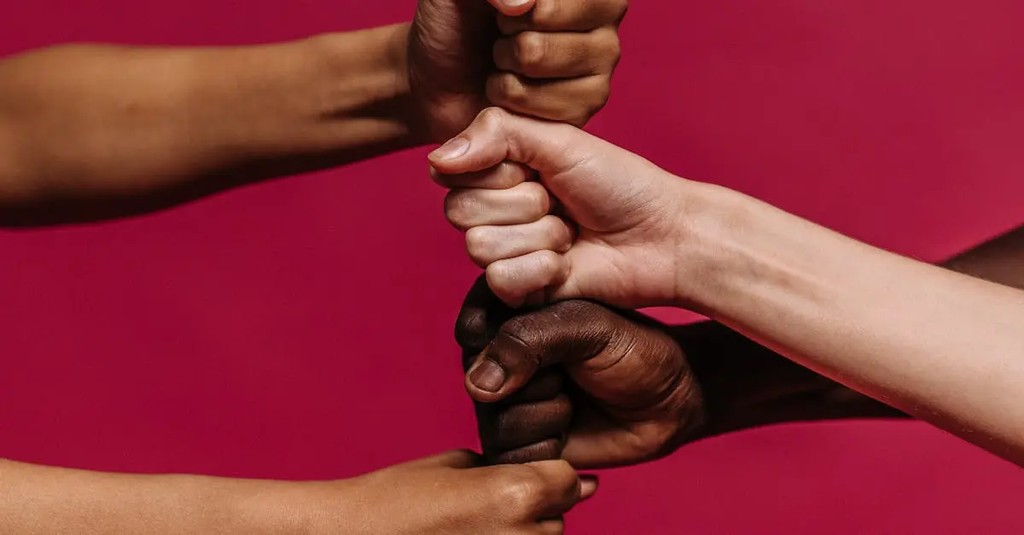
Community trauma refers to the psychological and emotional impact experienced by a group of people due to shared adverse events, such as natural disasters, violence, or systemic oppression. Collective resilience is the community’s ability to adapt, recover, and grow stronger together after such hardships. Through mutual support, shared resources, and collaborative healing, communities can transform trauma into opportunities for unity, empowerment, and positive change.
Community Trauma & Collective Resilience
Community trauma refers to the psychological and emotional impact experienced by a group of people due to shared adverse events, such as natural disasters, violence, or systemic oppression. Collective resilience is the community’s ability to adapt, recover, and grow stronger together after such hardships. Through mutual support, shared resources, and collaborative healing, communities can transform trauma into opportunities for unity, empowerment, and positive change.

💡 Key Takeaways
- Understand what community trauma is and how it differs from individual trauma, including shared adverse events.
- Learn what collective resilience means and how communities can adapt, recover, and grow stronger after hardship.
- Identify indicators of collective distress and the factors that support or hinder resilience (e.g., social connections, leadership, communication, access to services).
- Explore practical strategies to bolster collective resilience through community-led recovery planning, trauma-informed supports, and strengthened social capital.
❓ Frequently Asked Questions
What is community trauma?
Community trauma is the shared psychological and emotional impact on a group after a collective adverse event, such as a natural disaster, violence, or systemic oppression.
What is collective resilience?
Collective resilience is a community’s ability to adapt, recover, and grow stronger together through social support, coordinated action, and meaningful coping.
How does community trauma differ from individual trauma?
Community trauma affects the group’s norms, relationships, and daily functioning, while individual trauma affects a person’s own thoughts and emotions; communities respond with collective resources and healing efforts.
How can communities foster resilience after hardship?
Strengthen social networks, provide accessible mental health resources, practice trauma-informed leadership, maintain open communication, and involve residents in inclusive recovery efforts.