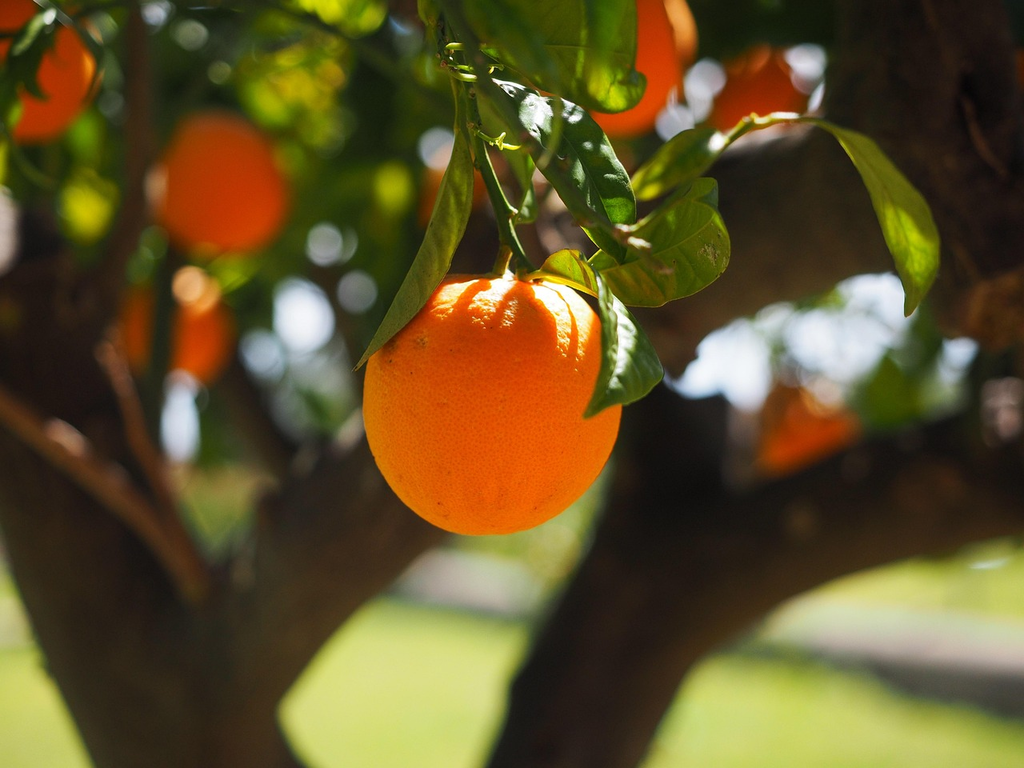
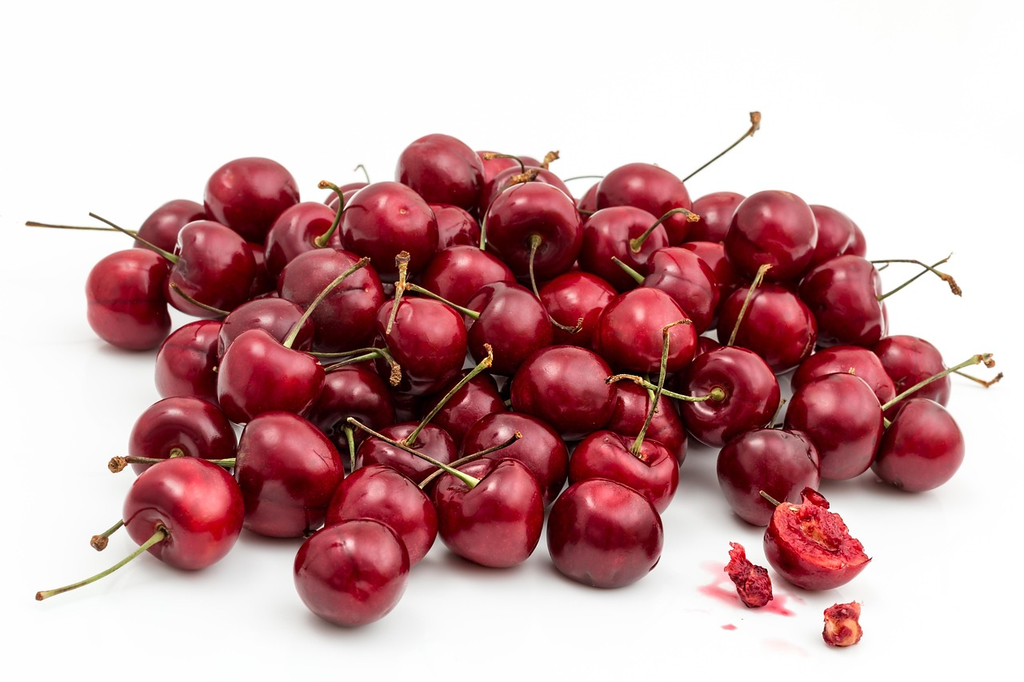
A comparative analysis of cherry varieties examines the differences and similarities among various types of cherries, focusing on aspects like taste, color, texture, and nutritional value. When contrasted with other fruits such as oranges, the analysis highlights unique attributes of cherries, such as their sweetness, tartness, and antioxidant content. This approach helps consumers and producers understand the distinct qualities of cherries within the broader context of fresh fruit options.
Comparative Analysis of Cherry Varieties
A comparative analysis of cherry varieties examines the differences and similarities among various types of cherries, focusing on aspects like taste, color, texture, and nutritional value. When contrasted with other fruits such as oranges, the analysis highlights unique attributes of cherries, such as their sweetness, tartness, and antioxidant content. This approach helps consumers and producers understand the distinct qualities of cherries within the broader context of fresh fruit options.
💡 Key Takeaways
- Distinguish sweet and sour cherry varieties and how flavor, texture, and uses differ.
- Compare cherry fruits by size, color, seasonality, and harvest timing for planning.
- Understand growing conditions and pollination needs for common cherry varieties.
- Learn post-harvest handling, storage, and selection tips to maximize quality.
❓ Frequently Asked Questions
What is the difference between sweet cherry varieties and sour cherry varieties?
Sweet cherries (Prunus avium) are larger and sweeter, typically eaten fresh; sour cherries (Prunus cerasus) are smaller, tart, and favored for pies, jams, and baking due to their acidity.
Can you name some common cherry varieties and their typical uses?
Sweet varieties like Bing and Rainier are prized for fresh eating and desserts, while Montmorency is a leading sour cherry used in pies and preserves.
Do cherry trees require cross-pollination to bear fruit?
Most sweet cherry varieties are not self-fertile and need a compatible pollinator nearby. Sour cherries are often self-fertile, but planting more than one variety can boost yields.
What growing conditions influence cherry flavor and quality?
Sun, adequate chilling hours, well-drained soil, and consistent moisture affect sweetness and firmness. Late frosts or heat waves can reduce yield and quality.
How can you tell when cherries are ripe and how should you harvest and store them?
Ripe cherries are fully colored, firm yet plump, and detach with a gentle twist. Pick with stems, refrigerate promptly, and avoid bruising to preserve flavor.