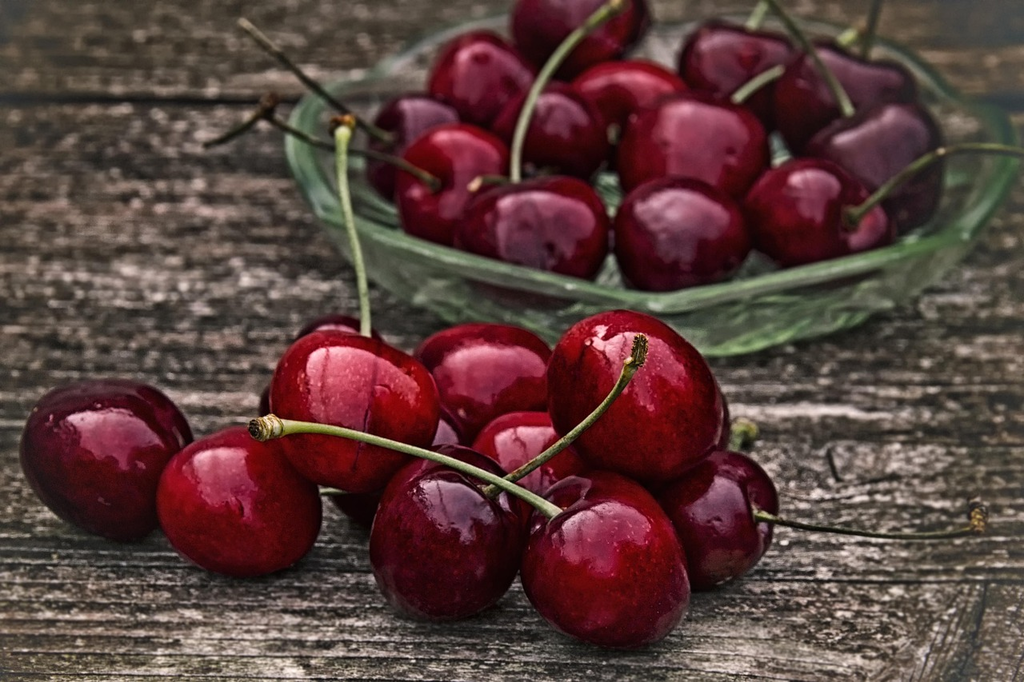
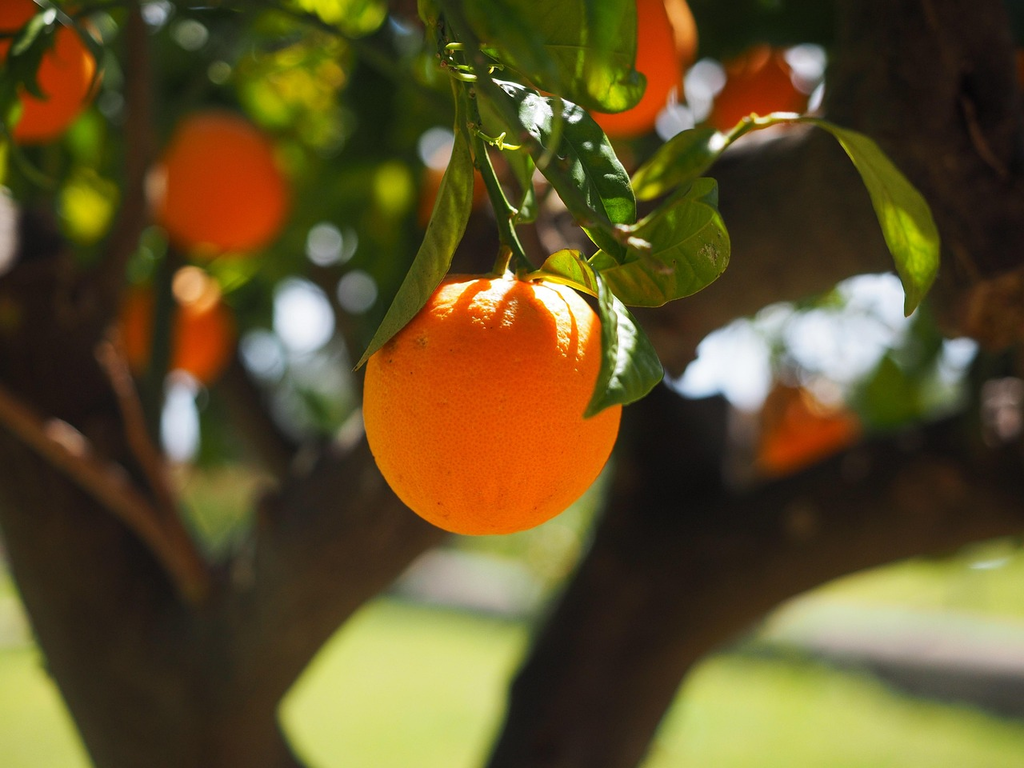
A comparative analysis of orange varieties within the Fruit Fresh range examines differences in taste, texture, juiciness, and nutritional value between oranges and cherries. This evaluation highlights each fruit’s unique characteristics, such as the citrusy, tangy flavor of oranges versus the sweet-tart profile of cherries. The analysis also considers factors like color, shelf life, and versatility in culinary uses, providing insights for consumers seeking the best option for their preferences and needs.
Comparative Analysis of Orange Varieties
A comparative analysis of orange varieties within the Fruit Fresh range examines differences in taste, texture, juiciness, and nutritional value between oranges and cherries. This evaluation highlights each fruit’s unique characteristics, such as the citrusy, tangy flavor of oranges versus the sweet-tart profile of cherries. The analysis also considers factors like color, shelf life, and versatility in culinary uses, providing insights for consumers seeking the best option for their preferences and needs.
💡 Key Takeaways
- Compare flavor profiles, sweetness, acidity, and juice yield among common orange varieties such as Navel, Valencia, and Blood oranges.
- Distinguish uses based on rind thickness, seed content, and texture for fresh eating, juicing, or zesting.
- Understand how seasonal availability and regional growing conditions affect flavor and price.
- Evaluate quality indicators and choose varieties based on culinary needs and nutrition goals.
❓ Frequently Asked Questions
What defines an orange variety?
An orange variety is a specific cultivar with distinct traits such as flavor, juice yield, seed presence, rind texture, flesh color, and when it ripens. Broad groups include sweet oranges (for eating/juice) and bitter oranges (often used for marmalade or flavoring).
Which orange varieties are commonly used for fresh eating versus juicing?
Navel and Cara Cara are popular for fresh eating (usually seedless). Valencia oranges are prized for juice. Blood oranges offer unique color and flavor, while Seville oranges are bitter and used for marmalade and zest.
What traits should you compare when evaluating orange varieties?
Taste (sweetness vs acidity), juice yield, seed content, rind thickness/peelability, flesh color, harvest season, and climate suitability.
How do climate and growing conditions affect orange variety performance?
Different varieties have varying heat, chill, and water needs. Some perform best in warm, Mediterranean-like climates (good for Valencia), while others tolerate cooler nights. Soil, irrigation, and local pests/diseases also impact sugar levels and overall fruit quality.