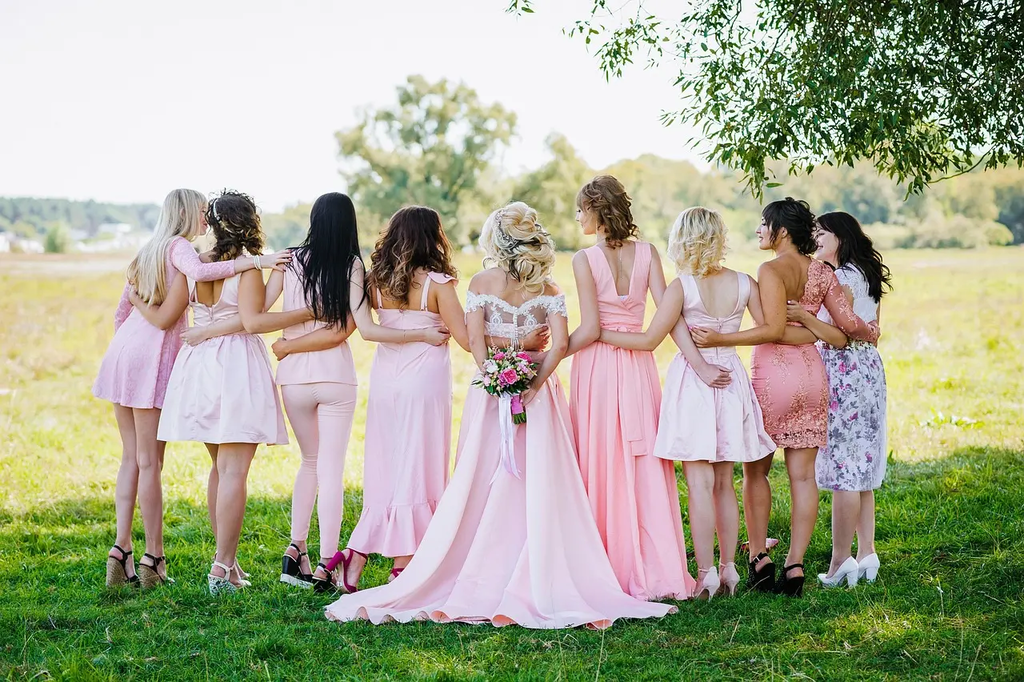
Comparative bridal attire by culture examines the diverse clothing traditions worn by brides during wedding ceremonies around the world. Each culture showcases unique fabrics, colors, symbols, and styles that reflect local customs, religious beliefs, and historical influences. From the white gowns of Western weddings to the vibrant saris of India or intricate hanboks of Korea, bridal attire serves as a visual representation of a community’s identity, values, and celebratory practices, highlighting global diversity.
Comparative Bridal Attire by Culture
Comparative bridal attire by culture examines the diverse clothing traditions worn by brides during wedding ceremonies around the world. Each culture showcases unique fabrics, colors, symbols, and styles that reflect local customs, religious beliefs, and historical influences. From the white gowns of Western weddings to the vibrant saris of India or intricate hanboks of Korea, bridal attire serves as a visual representation of a community’s identity, values, and celebratory practices, highlighting global diversity.
💡 Key Takeaways
- Compare bridal attire across cultures, noting key fabrics, colors, and ceremonial accessories.
- Explain the symbolic meanings of colors, fabrics, and motifs used in different cultural wedding outfits.
- Identify how religion, local customs, and historical influences shape bridal dress choices and etiquette.
- Discuss how modern weddings blend traditional bridal attire with contemporary fashion trends.
❓ Frequently Asked Questions
What is the role of bridal attire in cultural ceremonies?
Bridal clothes express cultural identity, beliefs, and blessings; they mark the wedding, reflect local customs, and often symbolize status or family pride.
Why do many cultures use red or bright colors for brides instead of white?
Red and other bright colors are commonly associated with luck, prosperity, fertility, and joy in many cultures, while white is primarily a Western symbol of purity.
What are some common traditional bridal garments you might see around the world?
Examples include the Indian lehenga or sari, Chinese qipao, Japanese uchikake kimono, Korean hanbok, Vietnamese ao dai, and Nigerian lace outfits with headwraps.
How do veils, headdresses, and jewelry vary in bridal attire?
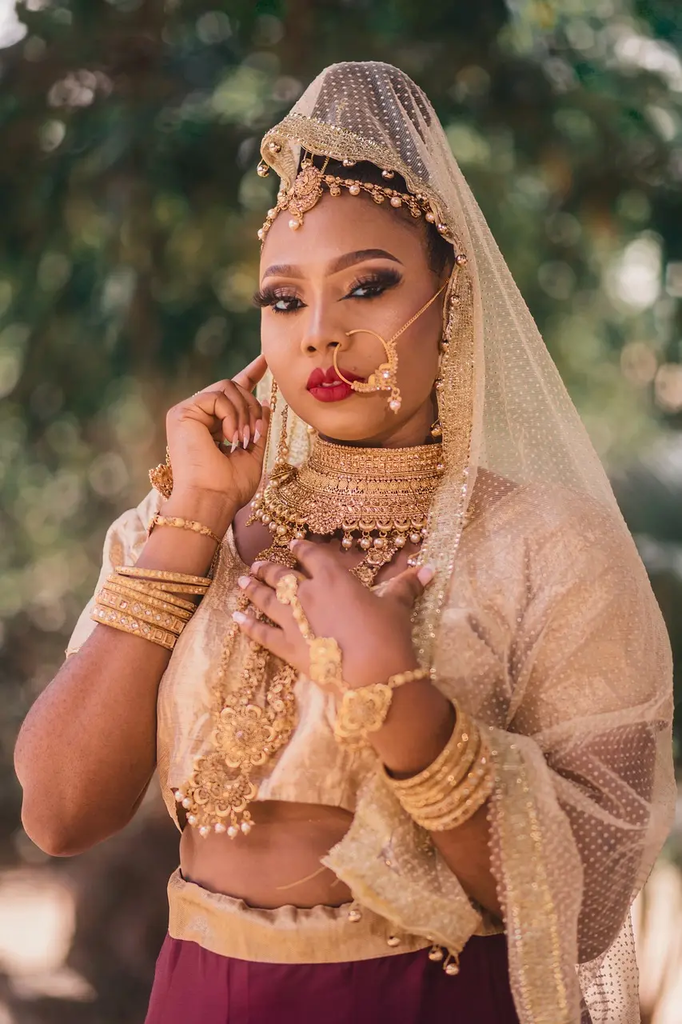
Veils or headpieces can signify modesty or blessings; headdresses range from simple wraps to ornate crowns; jewelry often features gold, beads, and motifs that convey auspicious meanings.