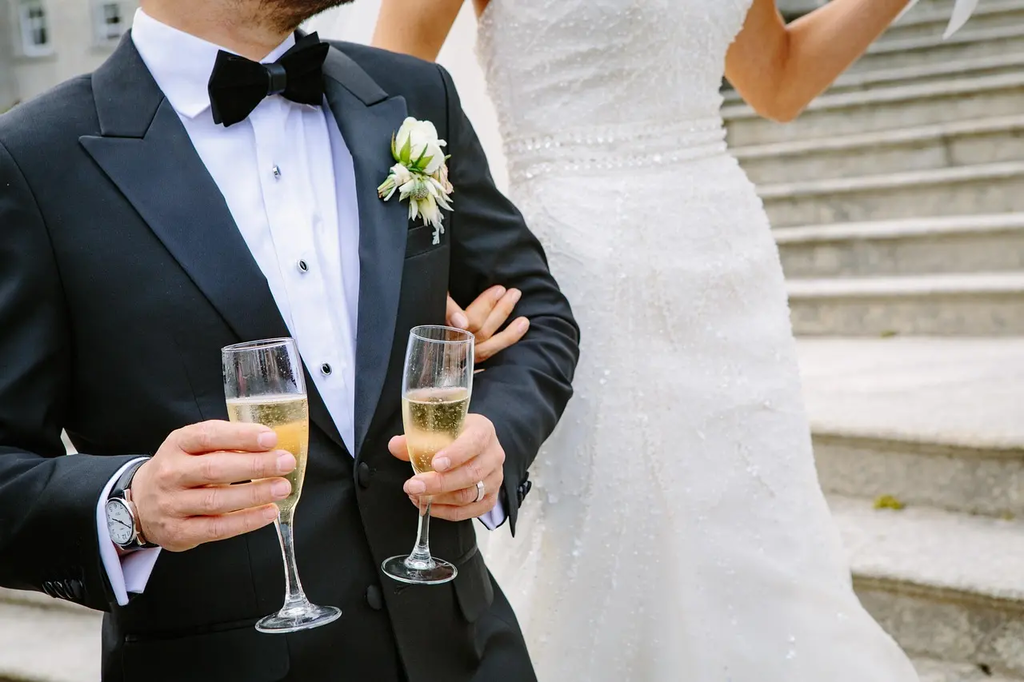
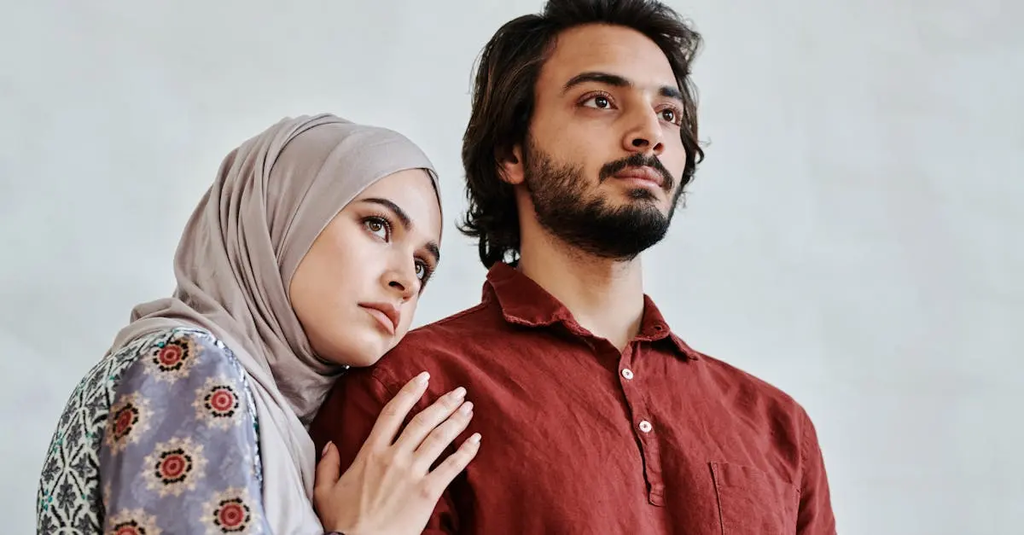
Comparative Marriage Rites by Religion refers to the study and analysis of how different religious traditions conduct marriage ceremonies, highlighting similarities and differences in rituals, symbols, and cultural significance. This comparison explores aspects such as vows, attire, blessings, and the role of religious authorities. By examining these rites across various faiths, one gains insight into the diverse ways societies view and celebrate the union of two individuals within a spiritual or religious context.
Comparative Marriage Rites by Religion
Comparative Marriage Rites by Religion refers to the study and analysis of how different religious traditions conduct marriage ceremonies, highlighting similarities and differences in rituals, symbols, and cultural significance. This comparison explores aspects such as vows, attire, blessings, and the role of religious authorities. By examining these rites across various faiths, one gains insight into the diverse ways societies view and celebrate the union of two individuals within a spiritual or religious context.
💡 Key Takeaways
- Compare how major religions structure marriage ceremonies, including officiants, witnesses, and the ceremony order.
- Identify how vows, blessings, and sacred promises differ across traditions and what they signify about commitment and faith.
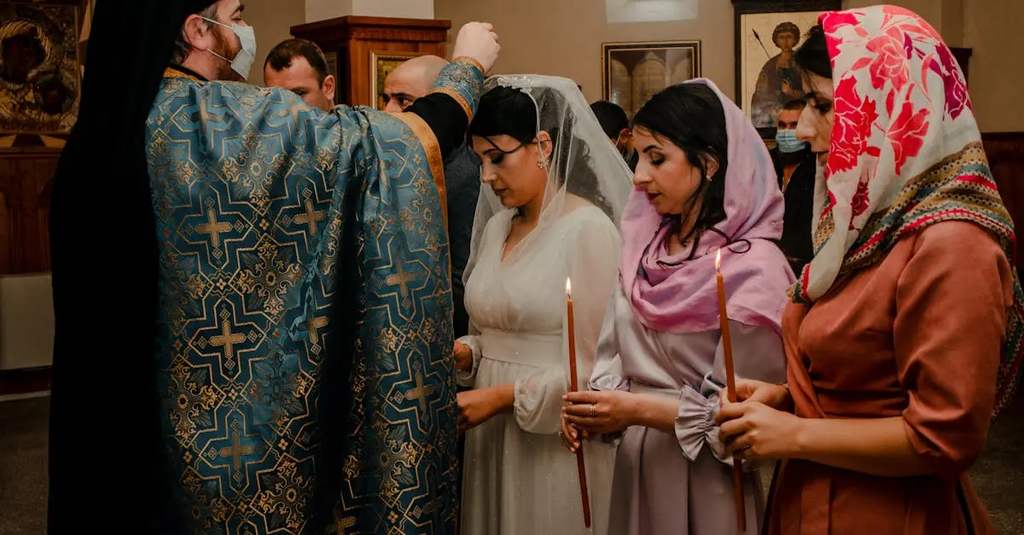
- Explain how attire and ritual symbols (garments, rings, garlands, veils, candles) convey religious values, modesty, and community identity.
- Describe how blessings, prayers, and sacramental acts reinforce the couple’s role in the faith community and future family life.
- Explore how wedding-related events (baby showers, party games) are shaped by religious norms and cultural meanings within the celebration.
❓ Frequently Asked Questions
What is the purpose of comparing marriage rites by religion?
To understand how ceremonies reflect beliefs, community roles, and values, and to identify similarities and differences in rituals, symbols, and significance.
What are common elements often found in religious wedding ceremonies?
Vows or promises, blessings or prayers, exchange of rings or tokens, a processional, and the presence of an officiant or religious leader, plus special attire.
How do vows vary across religious traditions, and what themes are often shared?
Vows may quote sacred texts or be original promises; themes typically include lifelong commitment, fidelity, mutual support, and the blessing of family and community.
How do attire and symbols function in religious wedding rites?
Attire often signals modesty, status, or ritual roles; symbols (rings, veils, colors, sacred objects) convey unity, sanctity, and divine blessing; meanings differ by tradition.
How can knowledge of comparative marriage rites be used in baby shower and wedding party games?
It enables inclusive, respectful trivia and activities that explore traditions, symbols, and rituals while keeping the focus on learning.