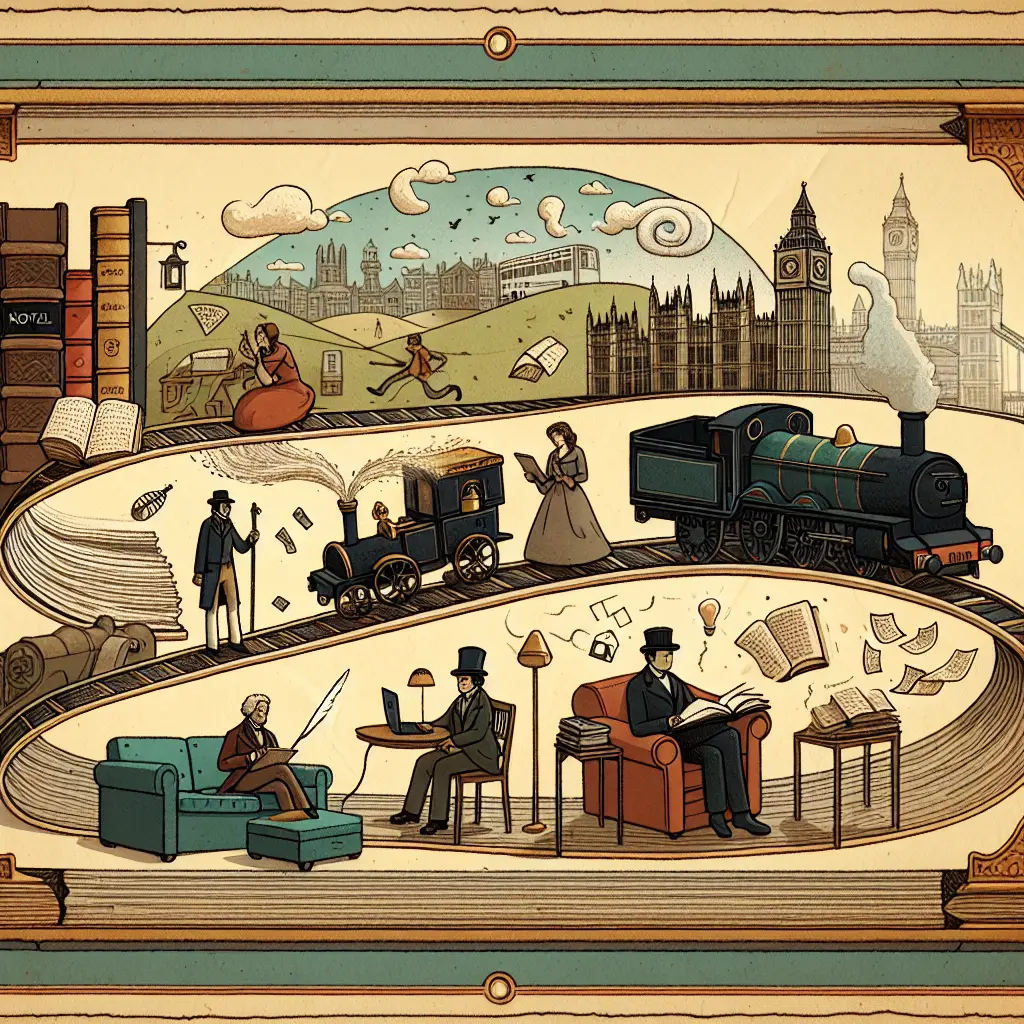
Comparative studies of British literature and European modernism examine the interplay between British writers and broader European artistic movements from the late nineteenth to early twentieth centuries. This field explores how British authors engaged with themes, styles, and innovations emerging from continental modernism, such as fragmentation, alienation, and experimental narrative forms, highlighting both cross-cultural influences and distinct national responses within the rapidly changing literary landscape of the period.
Comparative studies: British literature and European modernism
Comparative studies of British literature and European modernism examine the interplay between British writers and broader European artistic movements from the late nineteenth to early twentieth centuries. This field explores how British authors engaged with themes, styles, and innovations emerging from continental modernism, such as fragmentation, alienation, and experimental narrative forms, highlighting both cross-cultural influences and distinct national responses within the rapidly changing literary landscape of the period.

💡 Key Takeaways
- Recognize major European modernist movements and how British writers engaged with them.
- Compare themes of alienation, fragmentation, and modernization across British literature and European modernism.
- Identify stylistic innovations in British modernist writing (e.g., stream of consciousness, fragmented narration) and their European counterparts.
- Explain how historical contexts such as industrialization, urbanization, and war shaped cross-cultural exchanges between British authors and European movements.
❓ Frequently Asked Questions
What is European modernism and how does it relate to British literature?
European modernism is a broad movement (roughly 1890s–1930s) that emphasizes experimental form, fragmented perspective, and new ways of representing consciousness. British authors engaged with these ideas, creating a productive cross-cultural dialogue within British writing.
Which British authors are commonly studied in this field?
Virginia Woolf, T. S. Eliot, Joseph Conrad, Ford Madox Ford, Wyndham Lewis, and D. H. Lawrence are frequently examined for their modernist experimentation and cross-border influences.
What themes illustrate the dialogue between British literature and European modernism?
Themes include memory and subjectivity, urban modernity, alienation, language experimentation, and the reimagining of narrative form through techniques like stream of consciousness and symbolic imagery.
What stylistic features characterize this comparative approach?
Features include stream of consciousness, fragmented narration, shifting viewpoints, intertextual references to continental writers, irony, and innovative symbolism.
How do scholars conduct comparative studies in this field?
By tracing influences and exchanges across authors and nations, analyzing publication networks and magazines, and situating British works within broader European cultural currents.