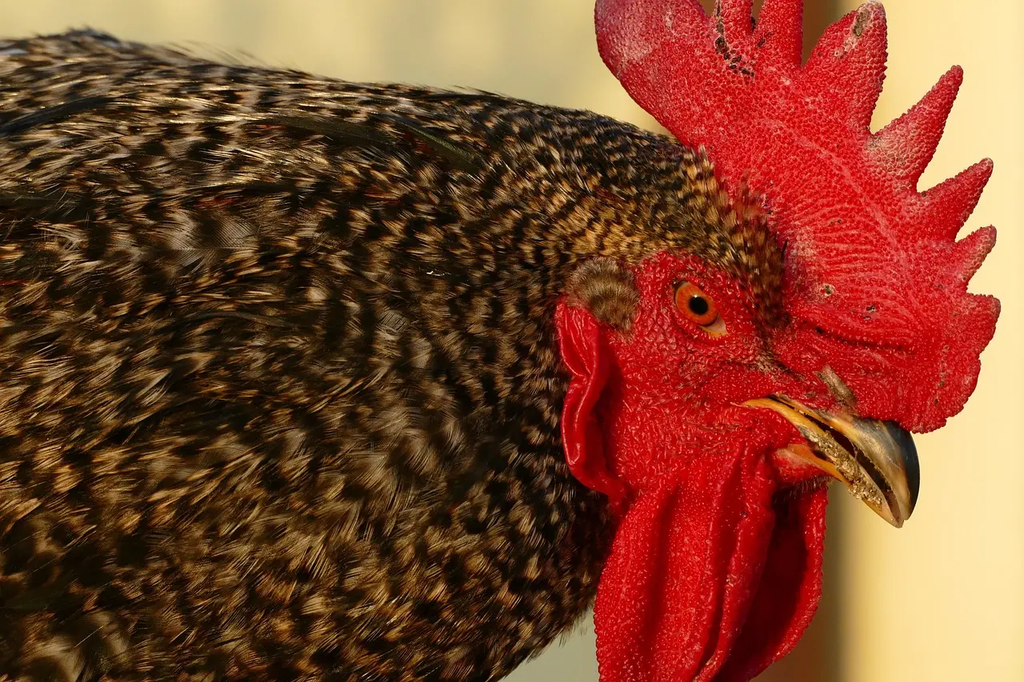
Complex Multispecies Household Behavior Management refers to the strategies and practices used to coordinate and guide the behaviors of different animal species living together in a home. It involves understanding the unique needs, communication styles, and social dynamics of each species, and creating an environment that promotes harmony, safety, and well-being for all. This management often requires careful observation, training, and adaptation to prevent conflicts and foster positive interactions among household members.
Complex Multispecies Household Behavior Management
Complex Multispecies Household Behavior Management refers to the strategies and practices used to coordinate and guide the behaviors of different animal species living together in a home. It involves understanding the unique needs, communication styles, and social dynamics of each species, and creating an environment that promotes harmony, safety, and well-being for all. This management often requires careful observation, training, and adaptation to prevent conflicts and foster positive interactions among household members.
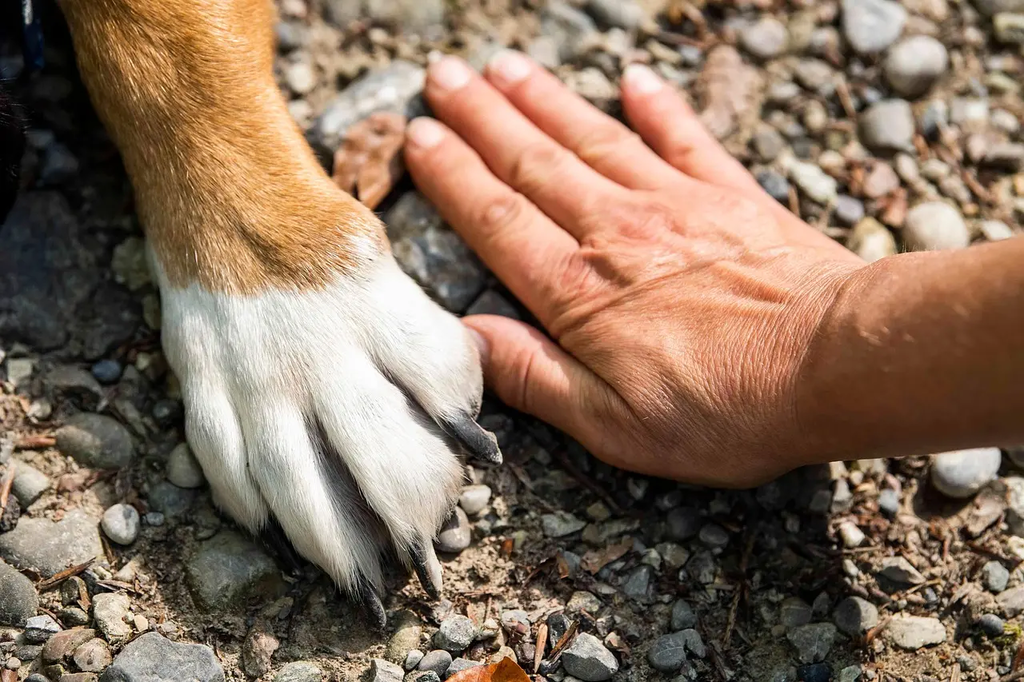
💡 Key Takeaways
- Identify the unique needs and communication styles of common household pets (dogs, cats, birds, small mammals).
- Apply safety, enrichment, and management practices to prevent conflicts in a multispecies home.
- Use a step‑by‑step introduction and routine plan to foster positive interspecies relationships.
- Recognize cross‑species body language and stress signals to intervene early.
❓ Frequently Asked Questions
What is Complex Multispecies Household Behavior Management?
A proactive approach to coordinating routines, enrichment, feeding, space use, and safety for multiple animal species living under one roof to minimize stress and promote harmony.
Why is it important to understand each species' needs and communication styles?
Different species have unique diets, habitats, social behaviors, and signals; meeting these needs reduces stress, prevents conflicts, and supports health and welfare.
How can you safely introduce a new animal to an existing multispecies household?
Plan a slow, supervised introduction with separate spaces, gradual scent sharing, sufficient resources, and positive reinforcement; monitor reactions and consult a professional for persistent issues.
What are common signs of stress or conflict between species, and how should you respond?
Signs include avoidance, aggression, tense body language, increased vocalization, or self-directed behaviors; respond by giving space, removing triggers, increasing enrichment, and seeking help if needed.
What practical steps promote harmony in a multispecies home?
Provide separate feeding stations, ample enrichment, safe zones, predictable routines, monitor resource use, supervise interactions, and use species-appropriate training cues.