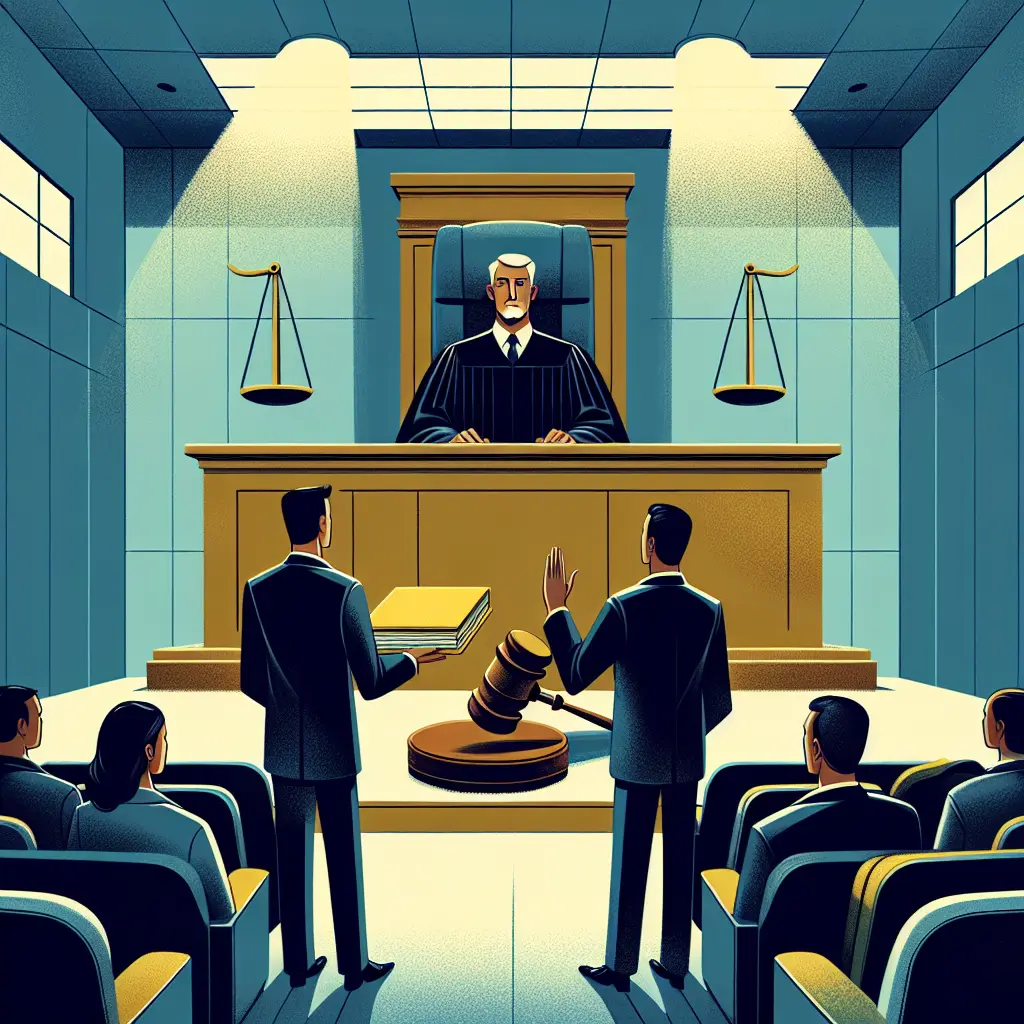
Compliance and enforcement mechanisms are systems, procedures, or tools established to ensure that laws, regulations, or policies are followed and upheld. They involve monitoring behavior, detecting violations, and applying corrective actions or penalties when rules are breached. These mechanisms are essential for maintaining order, promoting accountability, and deterring non-compliance within organizations, industries, or governments, ultimately ensuring that established standards and requirements are effectively implemented and respected.
Compliance & Enforcement Mechanisms
Compliance and enforcement mechanisms are systems, procedures, or tools established to ensure that laws, regulations, or policies are followed and upheld. They involve monitoring behavior, detecting violations, and applying corrective actions or penalties when rules are breached. These mechanisms are essential for maintaining order, promoting accountability, and deterring non-compliance within organizations, industries, or governments, ultimately ensuring that established standards and requirements are effectively implemented and respected.
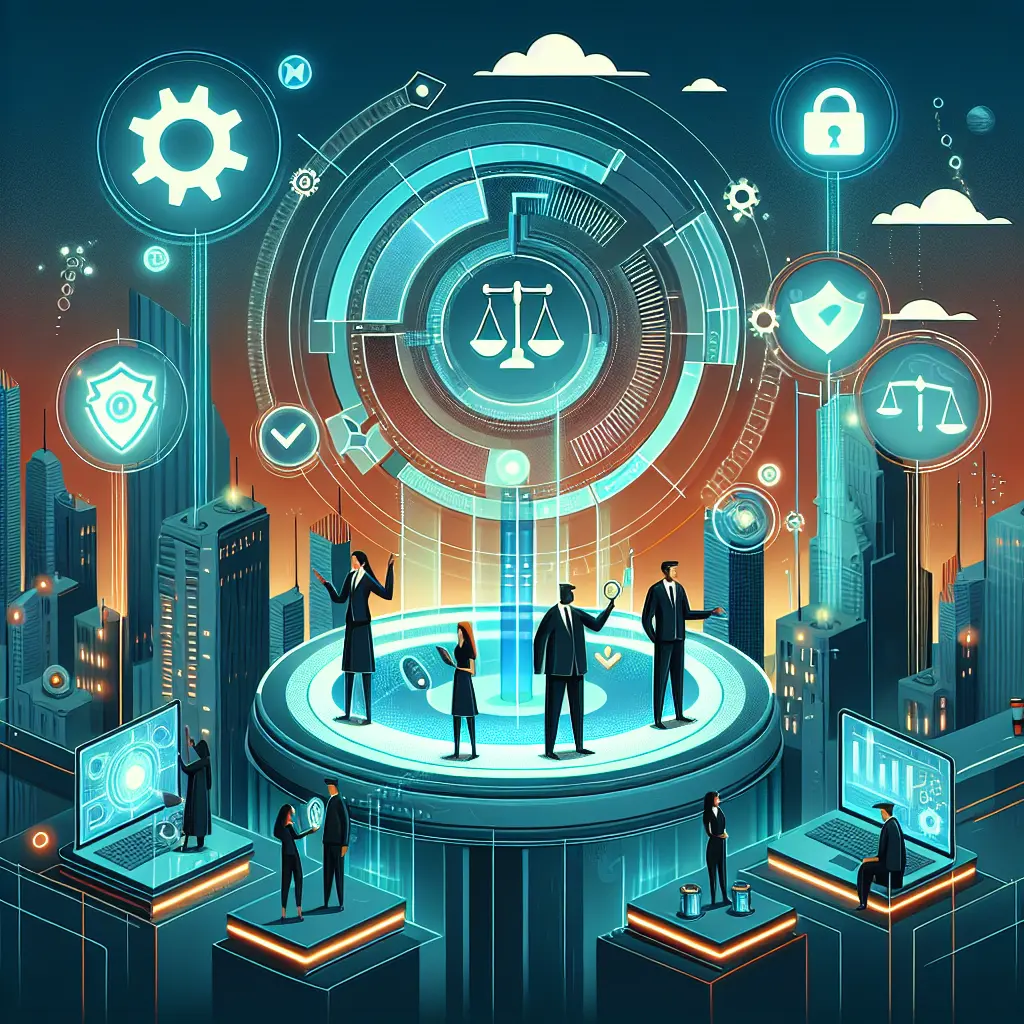
💡 Key Takeaways
- Define compliance and enforcement mechanisms and their purpose in upholding laws and policies.
- Identify common monitoring tools (audits, inspections, reports, data analytics) used to detect non-compliance.
- Explain how violations are detected and the due process steps before enforcement.
- Describe typical corrective actions and penalties (warnings, fines, sanctions, remedial requirements).
- Highlight the roles of regulators, agencies, and courts, plus principles of fairness, transparency, and proportionality.
❓ Frequently Asked Questions
What are compliance and enforcement mechanisms?
They are the systems, procedures, and tools used to ensure laws, regulations, or policies are followed, including monitoring, detection of violations, and enforcement actions.
What is the role of monitoring in enforcement?
Monitoring tracks behavior to verify adherence, detect breaches, gather evidence, and deter noncompliance by signaling that rules are being watched.
How are violations detected and corrected?
Violations are detected through inspections, audits, reports, or surveillance; corrective actions may include warnings, remedial programs, fines, or license suspensions to restore compliance.
What is the difference between penalties and corrective actions?
Penalties punish breaches and deter future violations, while corrective actions address the underlying issue, remediate noncompliance, and restore lawful behavior.