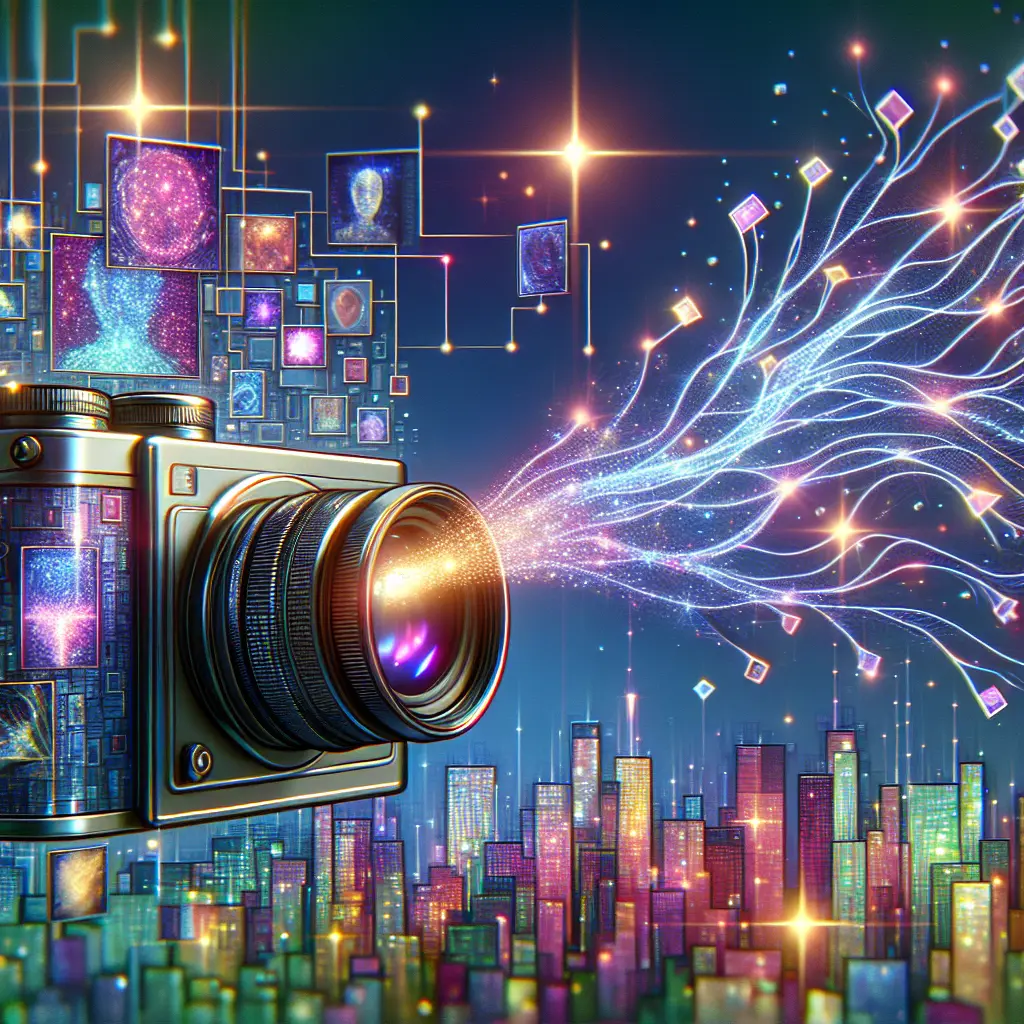
Computational photography leverages algorithms and digital processing to enhance or extend traditional photography, enabling features like HDR, panorama stitching, and low-light improvement. Neural rendering uses artificial intelligence, particularly neural networks, to generate or modify images in novel ways, such as creating photorealistic scenes, style transfers, or synthesizing new views from limited data. Together, they revolutionize visual content creation, blending computer science, optics, and machine learning for advanced imaging capabilities.
Computational Photography & Neural Rendering
Computational photography leverages algorithms and digital processing to enhance or extend traditional photography, enabling features like HDR, panorama stitching, and low-light improvement. Neural rendering uses artificial intelligence, particularly neural networks, to generate or modify images in novel ways, such as creating photorealistic scenes, style transfers, or synthesizing new views from limited data. Together, they revolutionize visual content creation, blending computer science, optics, and machine learning for advanced imaging capabilities.
💡 Key Takeaways
- Understand how computational photography uses algorithms to enhance images (HDR, panorama stitching, low-light enhancement).
- Learn the basics of neural rendering and how neural networks generate or modify images for creative effects.
- Know when to apply computational photography versus neural rendering in professional workflows.
- Explore creative applications and caveats (artifacts, realism vs. stylization, and ethical considerations) in this field.
❓ Frequently Asked Questions
What is computational photography?
A set of algorithms and digital processing techniques that enhance or extend traditional photography, enabling features like HDR, panorama stitching, and low-light improvements—useful for creatives like photographers and designers.
How does HDR improve photos?
HDR combines multiple exposures to preserve details in both bright and dark areas, resulting in a higher dynamic range than any single shot.
What is panorama stitching?
A process that aligns and blends several overlapping photos to produce a wide, seamless panorama.
What is neural rendering?
Using neural networks to generate or alter images, enabling creative edits, style transfers, or new views that weren’t captured in a single photo.