Concept art and visual development refer to the creative process of designing and illustrating the look and feel of characters, environments, and props for films, video games, animation, and other media. Artists use these techniques to explore ideas, establish visual styles, and communicate the mood and narrative of a project before final production. This stage is essential for aligning the creative vision among team members and stakeholders, ensuring a cohesive and compelling visual outcome.
Concept Art and Visual Development
Concept art and visual development refer to the creative process of designing and illustrating the look and feel of characters, environments, and props for films, video games, animation, and other media. Artists use these techniques to explore ideas, establish visual styles, and communicate the mood and narrative of a project before final production. This stage is essential for aligning the creative vision among team members and stakeholders, ensuring a cohesive and compelling visual outcome.
💡 Key Takeaways
- Understand how concept art defines the look of characters, environments, and props.
- Learn how visual development sets mood and storytelling through color, lighting, and style.
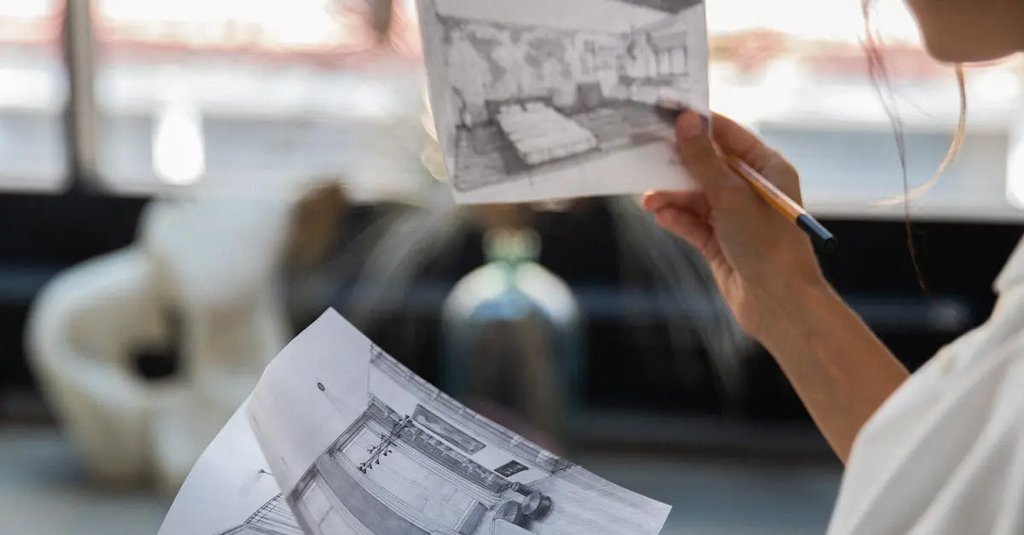
- Explore the iterative process from rough thumbnails to polished boards and turnarounds.
- Discover common deliverables and workflows in professional concept art (thumbnails, color keys, asset sheets).
❓ Frequently Asked Questions
What is concept art in film and animation?
Concept art is the early-stage design work that creates initial drawings and paintings for characters, environments, and props to establish the film’s look and mood before production begins.
How does visual development differ from concept art?
Visual development extends concept art by defining color palettes, lighting, textures, and overall mood across scenes to create a cohesive look throughout the project.
What is the role of color scripts in visual development?
Color scripts map color choices and lighting progression over a sequence to convey mood, time of day, and atmosphere, helping unify the film’s look.
Why are iterative sketches important in concept art?
Iterative sketches explore multiple directions quickly, allowing artists to test ideas, compare options, and refine toward a clear, storytelling-focused design.