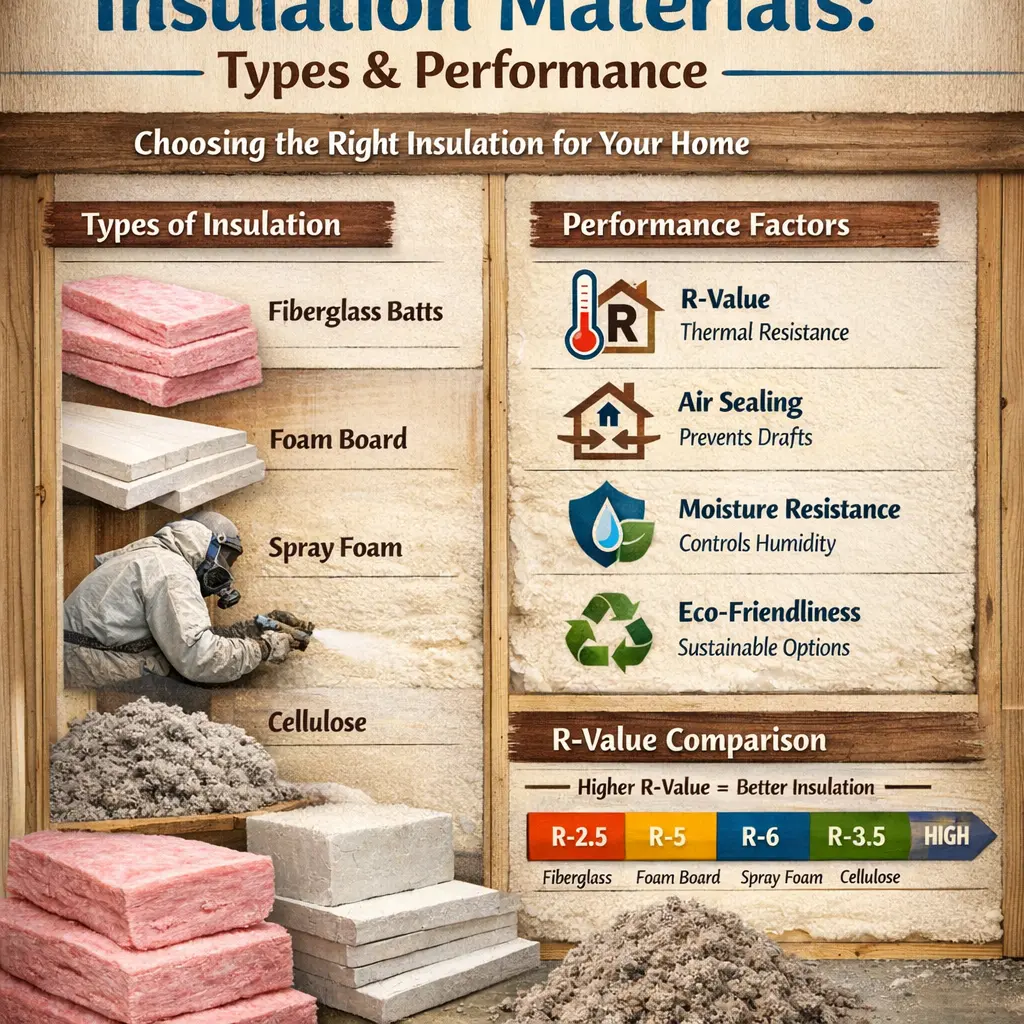
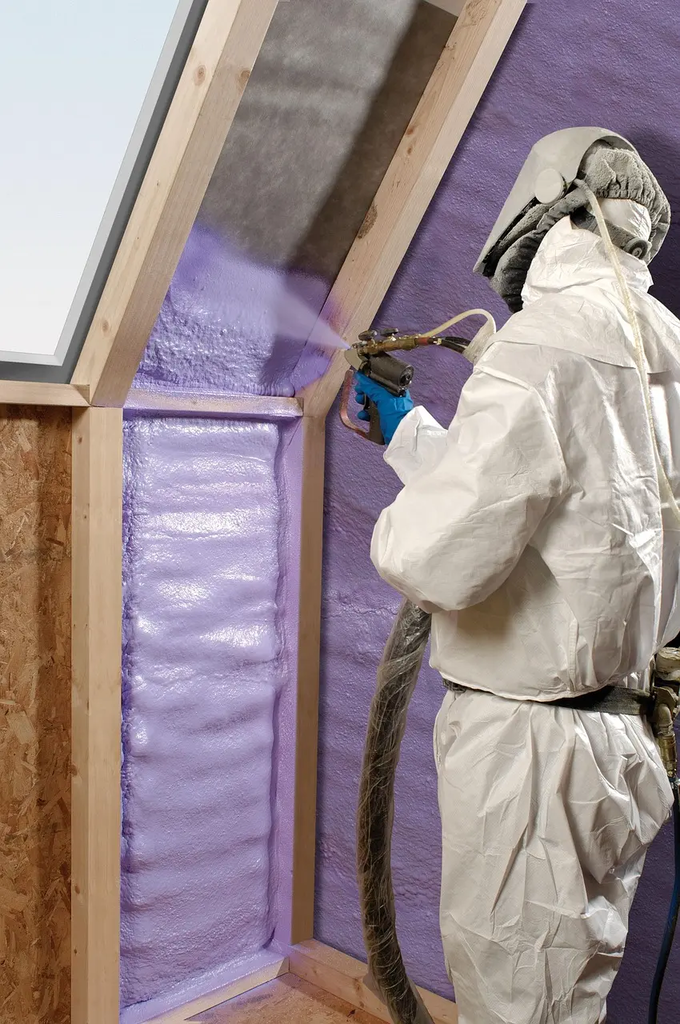
Condensation risk refers to the likelihood of moisture in the air turning into liquid water on surfaces, which can lead to material damage or mold growth. Dew point control involves managing temperatures and humidity to keep surfaces above the dew point, the temperature at which air becomes saturated and condensation forms. Effective dew point control is essential in building science and materials engineering to maintain structural integrity and indoor air quality.
Condensation Risk and Dew Point Control
Condensation risk refers to the likelihood of moisture in the air turning into liquid water on surfaces, which can lead to material damage or mold growth. Dew point control involves managing temperatures and humidity to keep surfaces above the dew point, the temperature at which air becomes saturated and condensation forms. Effective dew point control is essential in building science and materials engineering to maintain structural integrity and indoor air quality.
💡 Key Takeaways
- Define dew point and explain how it signals condensation risk.
- Identify how temperature, humidity, and surface temperature influence condensation.
- Learn practical strategies to control dew point and condensation (insulation, vapor barriers, dehumidification, and airflow).
- Apply condensation prevention techniques across buildings, storage, and equipment.
❓ Frequently Asked Questions
What is dew point and why does condensation occur?
Dew point is the temperature at which air becomes saturated and moisture begins to condense on surfaces. Condensation happens when a surface is at or below the dew point.
What factors influence condensation risk?
Indoor humidity, surface temperature, insulation, ventilation, and outdoor conditions all affect condensation risk.
How can you reduce condensation risk in indoor spaces?
Raise surface temperatures above the dew point, improve insulation, reduce indoor humidity (ventilate or use a dehumidifier), and ensure good air circulation.
What are common signs of condensation risk?
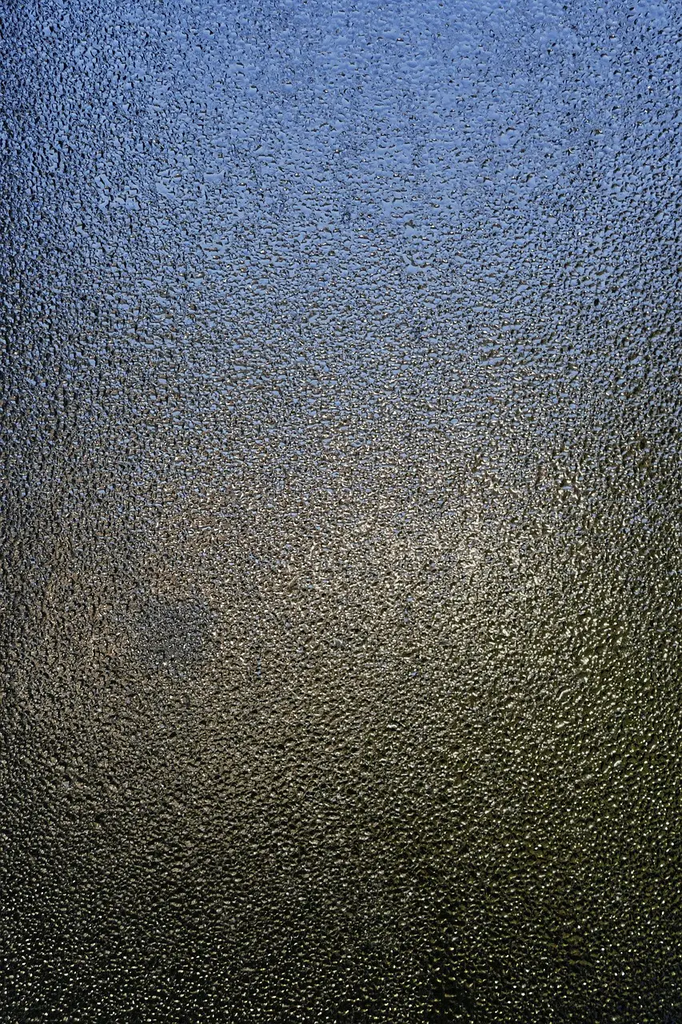
Misty windows, damp patches, mold growth, peeling paint, and musty odors.
How can you check if your condensation controls are working?
Monitor humidity with a hygrometer, compare surface temperatures to the dew point, and look for fewer condensation events and damp spots after applying controls.