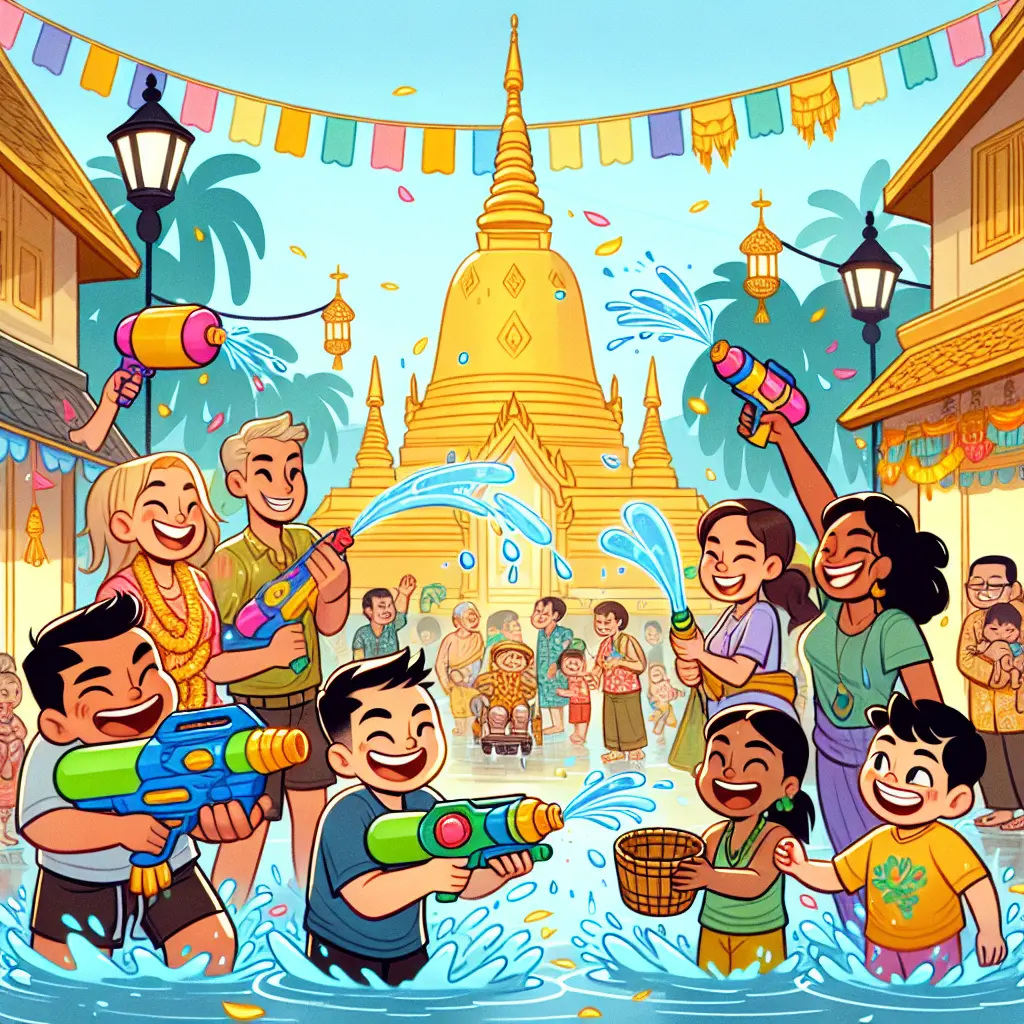
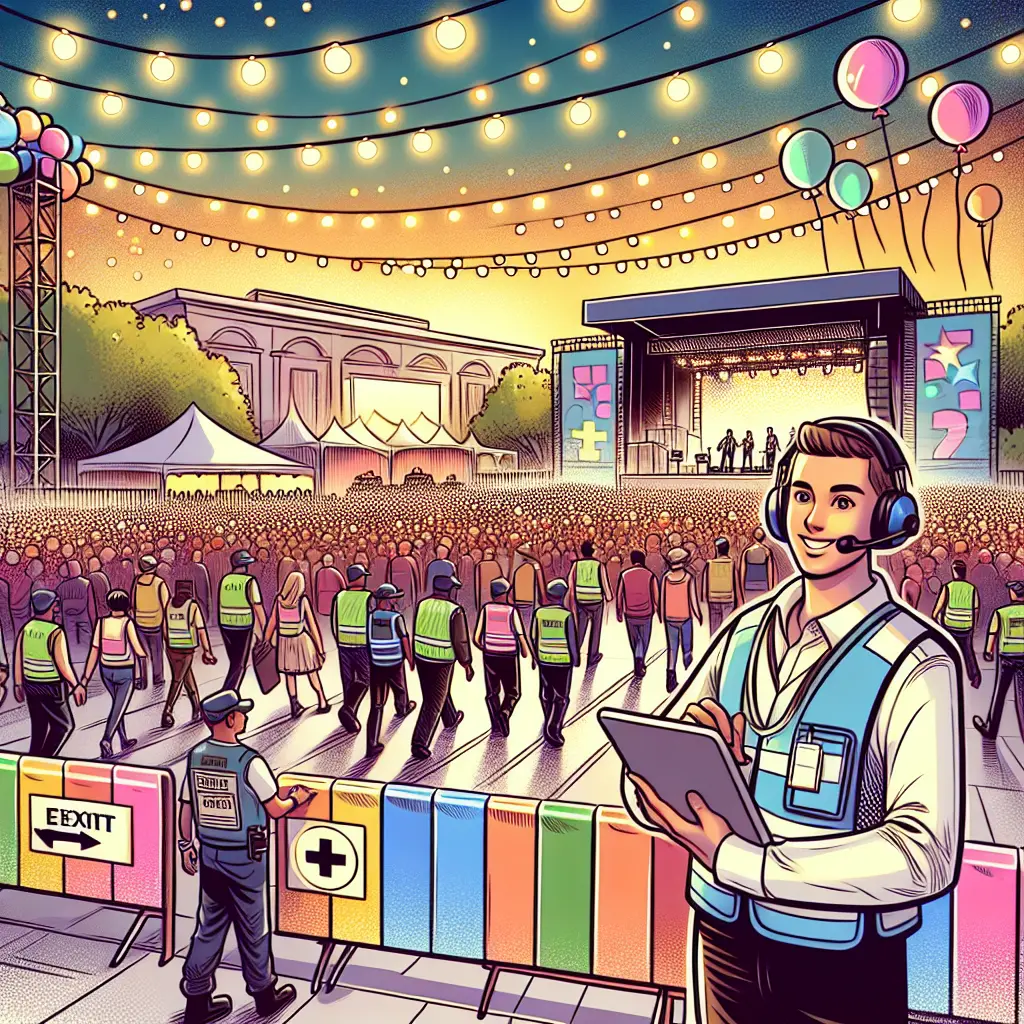
Conflict-sensitive festivities in fragile contexts refer to celebrations and events that are thoughtfully planned and conducted in areas affected by instability or tension. The approach prioritizes awareness of local dynamics, ensuring festivities do not exacerbate existing divisions or provoke violence. Organizers consider cultural sensitivities, involve diverse community members, and promote inclusivity, aiming to use celebrations as opportunities for peacebuilding, social cohesion, and mutual understanding rather than sources of conflict.
Conflict-Sensitive Festivities in Fragile Contexts
Conflict-sensitive festivities in fragile contexts refer to celebrations and events that are thoughtfully planned and conducted in areas affected by instability or tension. The approach prioritizes awareness of local dynamics, ensuring festivities do not exacerbate existing divisions or provoke violence. Organizers consider cultural sensitivities, involve diverse community members, and promote inclusivity, aiming to use celebrations as opportunities for peacebuilding, social cohesion, and mutual understanding rather than sources of conflict.

💡 Key Takeaways
- Define conflict-sensitive festivities and why they matter in fragile contexts.
- Learn how to map local dynamics, stakeholders, and power relations to inform planning.
- Identify practices to minimize risk, avoid triggering divisions, and ensure inclusive participation.
- Apply practical planning steps (timing, messaging, venues, safeguarding) that support peace and resilience.
❓ Frequently Asked Questions
What does conflict-sensitive festivities mean?
Celebrations planned with awareness of local tensions to avoid worsening divisions or provoking violence, while respecting diverse groups.
Why is conflict sensitivity important in fragile contexts?
It helps prevent harm, supports social cohesion, and contributes to peacebuilding by ensuring events do not escalate conflicts.
What are the key steps to plan conflict-sensitive festivities?
Conduct context and risk analysis; involve diverse community stakeholders; design inclusive programming; use non-provocative symbols and venues; establish monitoring and feedback mechanisms.
What are common pitfalls to avoid?
Ignoring local dynamics, excluding marginalized groups, using provocative messaging or symbols, poor security planning, and lacking transparency or feedback channels.