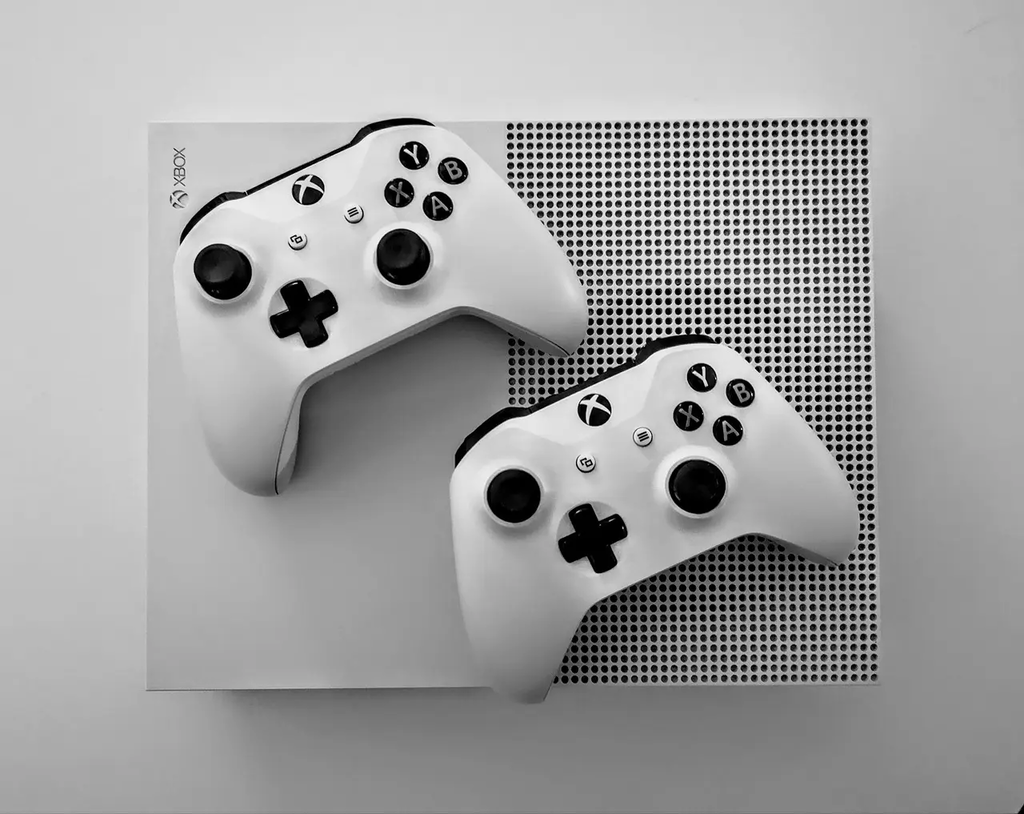
Console silicon design and custom SoCs refer to the specialized process of creating integrated circuits tailored for gaming consoles. This involves engineering unique system-on-chip (SoC) solutions that combine processors, graphics, memory controllers, and other components into a single chip. These custom SoCs are optimized for performance, power efficiency, and specific console features, enabling manufacturers to deliver enhanced gaming experiences, proprietary technologies, and competitive advantages in the gaming hardware market.
Console Silicon Design and Custom SoCs
Console silicon design and custom SoCs refer to the specialized process of creating integrated circuits tailored for gaming consoles. This involves engineering unique system-on-chip (SoC) solutions that combine processors, graphics, memory controllers, and other components into a single chip. These custom SoCs are optimized for performance, power efficiency, and specific console features, enabling manufacturers to deliver enhanced gaming experiences, proprietary technologies, and competitive advantages in the gaming hardware market.

💡 Key Takeaways
- Understand what a console SoC is and why it powers gaming performance.
- See how CPU, GPU, memory controller, and I/O are packed into a single chip.
- Learn why consoles use custom silicon for efficiency, performance, and security.
- Recognize common design challenges like power, heat, bandwidth, and security.
❓ Frequently Asked Questions
What is a system-on-chip (SoC) in console design?
An SoC is a single integrated circuit that combines CPU, GPU, memory controllers, and other components on one chip to save space, power, and improve gaming performance.
Why do consoles use custom SoCs instead of generic components?
Custom SoCs are tailored for gaming workloads, optimizing graphics, memory bandwidth, security, and power efficiency to differentiate platforms and maximize performance.
What components are typically on a console SoC?
CPU cores, GPU, memory controllers, caches, video/display processing blocks, security units, and various I/O interfaces (storage, networking), sometimes with specialized accelerators.
How does silicon design impact performance and efficiency?
Close integration and specialized hardware reduce latency and boost bandwidth, enabling higher frame rates and better thermals with lower power consumption.