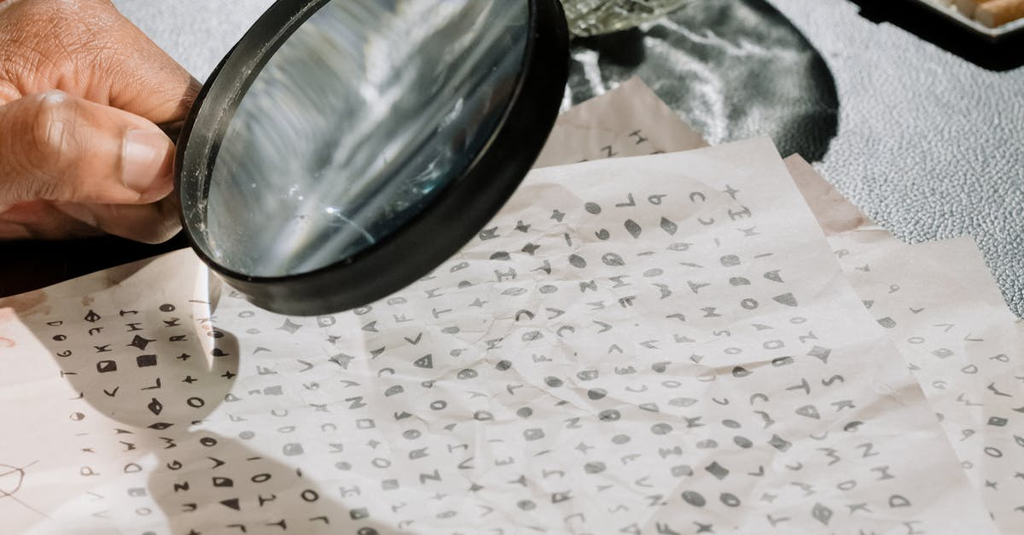
Conspiracy theories described as "hidden in plain sight" refer to the belief that secrets, manipulations, or covert operations are openly displayed or accessible, yet overlooked or dismissed by the general public. Proponents argue that clues, symbols, or evidence are embedded in everyday events, media, or official narratives, suggesting deeper truths are visible but ignored. This concept emphasizes the idea that reality is obscured not by secrecy, but by widespread inattention or disbelief.
Conspiracy Theories
Conspiracy theories described as "hidden in plain sight" refer to the belief that secrets, manipulations, or covert operations are openly displayed or accessible, yet overlooked or dismissed by the general public. Proponents argue that clues, symbols, or evidence are embedded in everyday events, media, or official narratives, suggesting deeper truths are visible but ignored. This concept emphasizes the idea that reality is obscured not by secrecy, but by widespread inattention or disbelief.
💡 Key Takeaways
- Recognize common patterns and psychological drivers that fuel conspiracy theories.
- Evaluate sources and evidence to distinguish credible information from rumors or misinformation.
- Identify cognitive biases and social factors that influence belief and spread of conspiracies.
- Apply practical debunking steps: verify with reputable sources, check for expert consensus, and avoid cherry-picking or logical fallacies.
❓ Frequently Asked Questions
What is a conspiracy theory?
A claim that a group secretly plotted to cause an event, often without solid evidence or relying on dubious connections. It differs from explanations backed by credible, verifiable evidence.
How can I tell if a claim is credible?
Look for verifiable evidence, credible sources, and primary data. Be cautious of vague assertions, hidden sources, and cherry-picked facts.
What are common biases that fuel conspiracy beliefs?
Biases like confirmation bias, proportionality bias, and the tendency to infer deliberate action can make people accept unfounded claims.
How should I approach conspiracy-related quizzes?
Read the claim, identify the core evidence, distinguish between hypotheses and established facts, and evaluate sources before answering.
Why is it important to verify conspiracy claims?
Spreading misinformation can mislead people and harm public understanding. Critical evaluation helps ensure accurate conclusions.