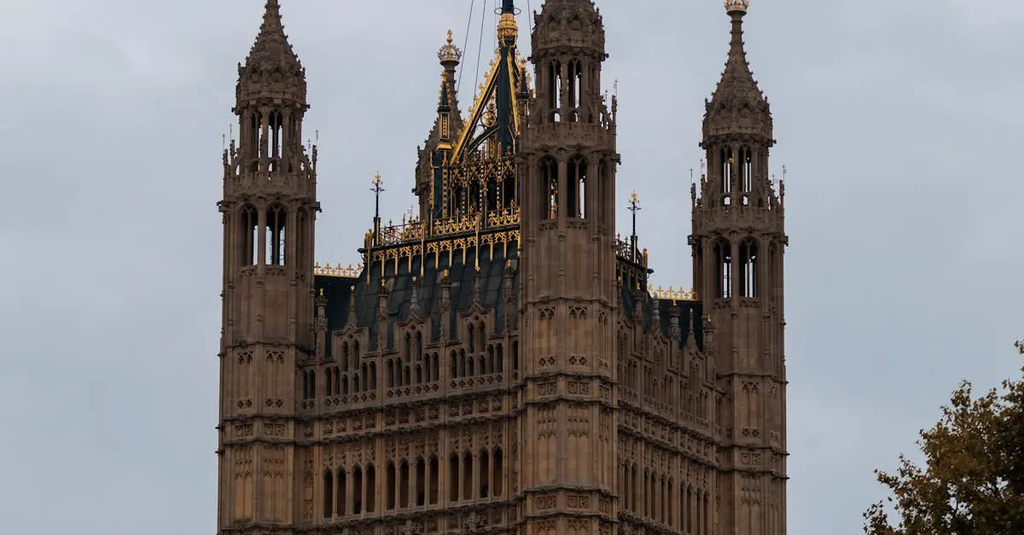
Constitutional conventions in practice refer to unwritten rules that guide political behavior and government operations, even though they are not legally enforceable. These conventions ensure smooth functioning of the constitutional system by filling gaps left by formal laws. They are established through consistent, accepted practices over time, such as the Prime Minister being the leader of the majority party. Their observance maintains stability, flexibility, and respect for democratic principles within a government.
Constitutional conventions in practice
Constitutional conventions in practice refer to unwritten rules that guide political behavior and government operations, even though they are not legally enforceable. These conventions ensure smooth functioning of the constitutional system by filling gaps left by formal laws. They are established through consistent, accepted practices over time, such as the Prime Minister being the leader of the majority party. Their observance maintains stability, flexibility, and respect for democratic principles within a government.

💡 Key Takeaways
- Understand what constitutional conventions are and how they differ from formal laws.
- Learn how unwritten conventions fill gaps to keep government functioning (e.g., collective responsibility).
- Recognize UK examples like the Salisbury Convention and royal assent as a formality, shaping practice.
- Explore how conventions are upheld by norms and public expectations, and what happens when they are tested.
- Consider how conventions interact with statutes and constitutional reforms to maintain stability.
❓ Frequently Asked Questions
What are constitutional conventions in the UK?
Unwritten rules that guide political behaviour and government operations; they are not legally enforceable but help the constitution function smoothly.
How do conventions differ from laws or statutes?
Conventions are not legally binding in courts. They rely on political legitimacy and norms, and can be changed or overridden by new laws.
Can you name some key UK constitutional conventions?
Salisbury Convention (Lords do not block manifesto commitments). Sewel Convention (Parliament should not legislate on devolved matters without consent). Collective responsibility (ministers publicly support government policy). The monarch acts on the advice of the Prime Minister and Cabinet.
How are conventions enforced if they are not legally binding?
Enforcement comes from political consequences—public opinion, resignations, or loss of legitimacy—not court orders.
Can conventions change or be turned into law?
Yes. Conventions can evolve with practice, be reinforced or eroded, and Parliament can codify them or override them with statute.