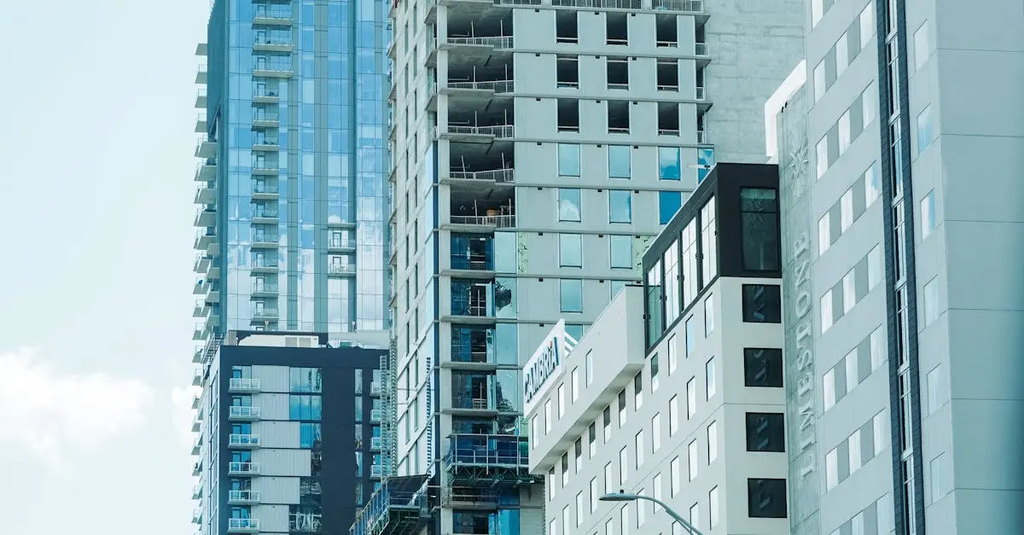
Construction sequencing for high-rise cores involves planning and organizing the step-by-step process of building the central structural elements of tall buildings, such as elevator shafts and stairwells. This sequencing ensures efficient use of resources, safety, and timely progress. It typically includes methods like jump-form or slip-form systems, coordination with other trades, and careful scheduling to allow vertical construction to advance smoothly, supporting the overall building structure as floors are added.
Construction Sequencing for High-Rise Cores
Construction sequencing for high-rise cores involves planning and organizing the step-by-step process of building the central structural elements of tall buildings, such as elevator shafts and stairwells. This sequencing ensures efficient use of resources, safety, and timely progress. It typically includes methods like jump-form or slip-form systems, coordination with other trades, and careful scheduling to allow vertical construction to advance smoothly, supporting the overall building structure as floors are added.
💡 Key Takeaways
- Identify the typical sequence for erecting a high-rise concrete core, including foundations, core walls, and elevator/shaft openings.
- Explain the critical dependencies between core installation, floor slabs, MEP risers, and vertical transportation to keep the project on schedule.
- Describe safety-focused formwork, crane planning, and temporary-support strategies to optimize constructability during core construction.
- Compare cast-in-place concrete cores vs. steel cores and how their sequencing affects schedule, coordination with the façade, and service connections.
❓ Frequently Asked Questions
What is a high-rise core?
The vertical spine of a tall building that houses elevators, stairs, and essential utility shafts; it provides stability and a central route for services.
Why is sequencing critical for high-rise cores?
Because the core establishes the vertical load path and must coordinate with floors, elevators, stairs, and services; proper sequencing reduces rework, clashes, and delays while improving safety.
What is a typical sequencing approach for high-rise cores?
Develop the core early to establish the vertical structure, then integrate floor slabs and perimeter framing around it, coordinating with mechanical, electrical, and vertical transportation installations.
What challenges can affect core sequencing?
Site access, crane paths, tight schedules, design changes, and coordinating multiple trades and safety requirements can complicate sequencing.
How does BIM help with core sequencing?
BIM enables 4D scheduling and clash detection to visualize and optimize the core's placement with floors, frames, and services before construction begins.