Construction Supply Chain Basics refer to the fundamental processes and relationships involved in delivering materials, equipment, and services required for construction projects. The construction environment is dynamic, involving multiple stakeholders such as suppliers, contractors, and clients. Effective supply chain management ensures timely procurement, cost control, and quality assurance. It addresses challenges like project complexity, variable demand, and logistical constraints, aiming to streamline operations and foster collaboration across the construction lifecycle.
Construction Supply Chain Basics
Construction Supply Chain Basics refer to the fundamental processes and relationships involved in delivering materials, equipment, and services required for construction projects. The construction environment is dynamic, involving multiple stakeholders such as suppliers, contractors, and clients. Effective supply chain management ensures timely procurement, cost control, and quality assurance. It addresses challenges like project complexity, variable demand, and logistical constraints, aiming to streamline operations and foster collaboration across the construction lifecycle.
💡 Key Takeaways
- Understand the key stages of the construction supply chain, from procurement to on-site delivery
- Identify the major players (owners, designers, contractors, suppliers, and logistics providers) and their roles
- Learn common procurement methods and contract types used in construction projects
- Explain how sourcing decisions, lead times, and logistics impact project schedules and costs
- Recognize common supply chain risks and basic mitigation strategies
❓ Frequently Asked Questions
What is the construction supply chain?
The network of people, organizations, and processes that source, manufacture, transport, and deliver materials, equipment, and services from initial procurement to project completion.
Who are the key players in a construction supply chain?
Owners/developers, design teams, general and subcontractors, material and equipment suppliers, fabricators, logistics providers, and inspectors.
What is lead time and why does it matter in construction?
Lead time is the interval from placing an order to receiving the item. Longer lead times can delay schedules, so early procurement and contingency planning are essential.
What is just-in-time (JIT) delivery in construction, and what are its risks?
JIT brings materials to the site as needed to reduce on-site storage. Risks include supply delays, transport disruptions, and site constraints; mitigate with reliable suppliers and contingency plans.
How can technology improve the construction supply chain?
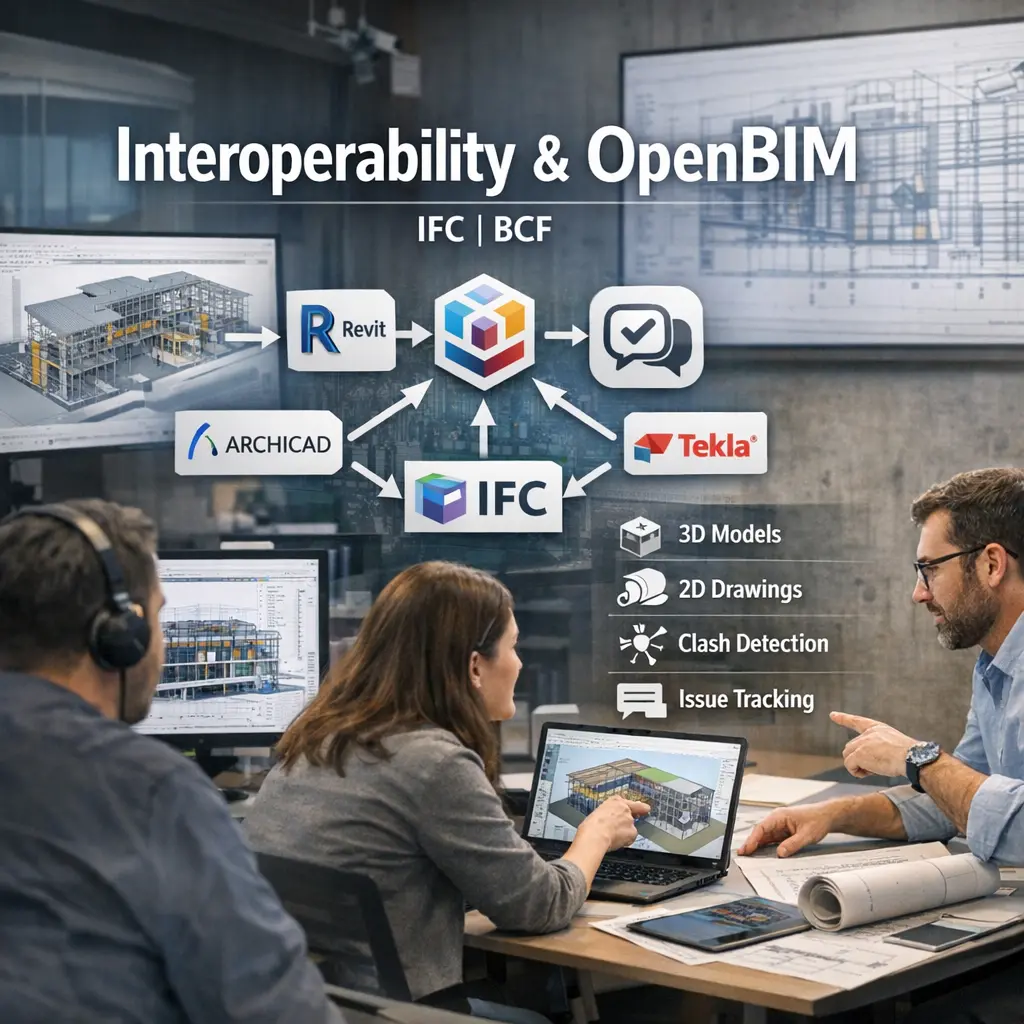
Tools like BIM, ERP, and procurement platforms provide better visibility, forecasting, and coordination, helping reduce delays and waste.