

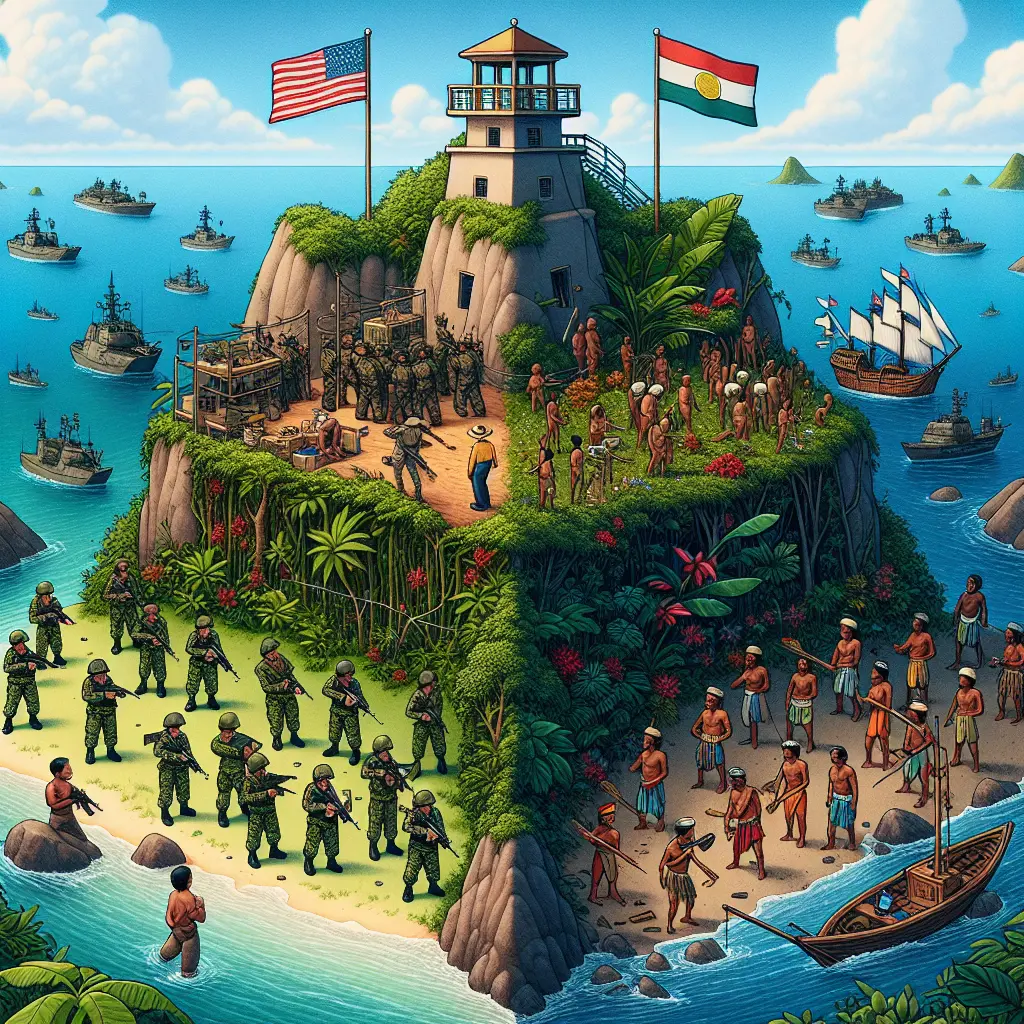
Contested island occupation refers to the situation where one or more parties assert control over an island that is claimed by multiple states or groups. Such occupations often arise in regions with strategic, economic, or symbolic significance, leading to disputes and tensions. These occupations can involve military presence, settlement, or administrative control, and frequently provoke diplomatic negotiations, protests, or even armed conflict as rival claimants seek to assert their sovereignty over the territory.
Contested Island Occupation+50
Contested island occupation refers to the situation where one or more parties assert control over an island that is claimed by multiple states or groups. Such occupations often arise in regions with strategic, economic, or symbolic significance, leading to disputes and tensions. These occupations can involve military presence, settlement, or administrative control, and frequently provoke diplomatic negotiations, protests, or even armed conflict as rival claimants seek to assert their sovereignty over the territory.
💡 Key Takeaways
- Define contested island occupation and how sovereignty claims are made or disputed.
- Identify why islands become flashpoints: strategic location, resources, and symbolism.
- Summarize international-law concepts relevant to island sovereignty, including effective control and peaceful dispute resolution.
- Explain potential impacts on local populations and regional stability, and outline common peaceful settlement approaches.
❓ Frequently Asked Questions
What is contested island occupation?
A situation where one or more parties claim sovereignty or governance over an island that others also claim, leading to competing control and administration.
Why are islands often contested?
Because islands can be strategically located (military and shipping routes), rich in resources (fisheries, minerals), or hold historical and symbolic significance, inviting competing claims.
How do international laws address contested island occupations?
Disputes are usually addressed through peaceful means—negotiation, mediation, arbitration, or adjudication in international courts. Maritime claims may involve UNCLOS; sovereignty is assessed using treaties, historic title, and effective administration.
What are common consequences of contested island occupations?
Diplomatic tensions, potential militarization, risk of clashes, economic impacts, and incentives for international mediation or legal settlement.