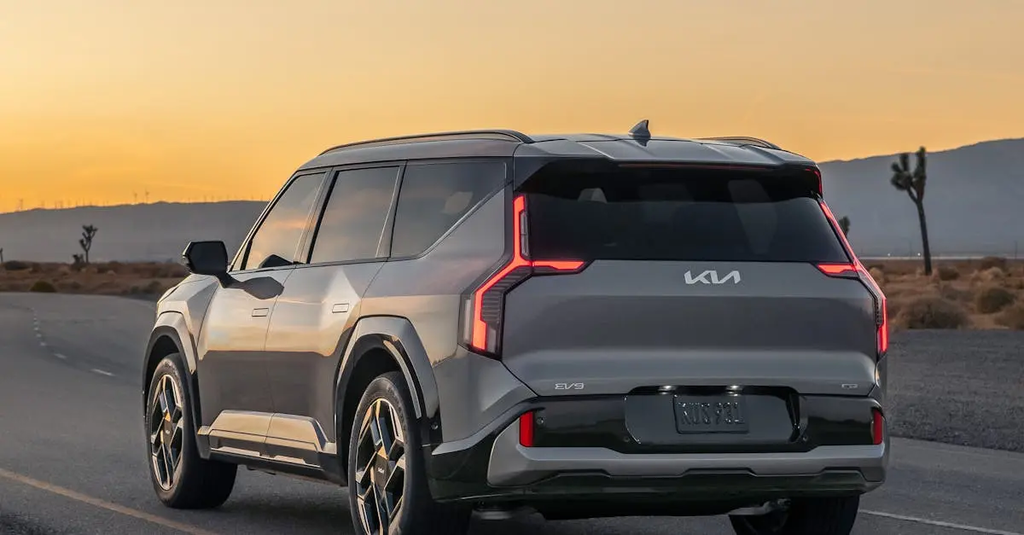
Convoy driving and group travel refer to multiple vehicles journeying together, often for safety, coordination, or shared purpose. Typically used by organizations, families, or groups, this approach ensures that all members arrive at the destination together, minimizes the risk of losing anyone, and can streamline navigation. Effective convoy driving requires clear communication, adherence to traffic rules, and mutual cooperation among drivers to maintain group cohesion and ensure everyone’s safety throughout the trip.
Convoy Driving and Group Travel
Convoy driving and group travel refer to multiple vehicles journeying together, often for safety, coordination, or shared purpose. Typically used by organizations, families, or groups, this approach ensures that all members arrive at the destination together, minimizes the risk of losing anyone, and can streamline navigation. Effective convoy driving requires clear communication, adherence to traffic rules, and mutual cooperation among drivers to maintain group cohesion and ensure everyone’s safety throughout the trip.
💡 Key Takeaways
- Understand what convoy driving and group travel involve and why groups use them (e.g., safety, coordination, shared purpose).
- Plan ahead with defined roles, routes, spacing, speeds, and a clear communication method.
- Learn signaling and coordination practices (lead and tail vehicle duties, radios, hand signals) to keep the group together.
- Apply safe convoy habits (stable headways, lane discipline, and procedures if someone falls behind or a vehicle breaks down).
- Consider the benefits and challenges of convoy travel and basic risk-mitigation strategies.
❓ Frequently Asked Questions
What is convoy driving and why is it used?
Convoy driving is a group of vehicles traveling together in a coordinated formation, often for safety, coordination, or a shared purpose. It helps ensure everyone stays together, reduces the chance of someone getting lost, and can simplify travel on unfamiliar routes.
Who leads and manages a convoy?
A convoy typically has a lead driver who sets pace and navigation and a tail (last) vehicle that keeps the group together and accounts for stragglers. A designated navigator and a clear communication plan are also common.
What safety measures should you follow in a convoy?
Plan the route in advance, maintain a safe following distance, keep a steady speed, communicate changes, and use a designated inter-vehicle channel. Avoid risky overtakes unless coordinated and safe.
How should communication be handled in a convoy?
Use two-way radios or a dedicated channel, assign call signs, and make brief, clear calls about route changes or hazards. Keep non-essential chatter to a minimum during critical segments.
What are common challenges and tips to avoid problems?
Ensure everyone knows the plan and meeting points, keep spacing consistent, verify all vehicles are accounted for before departure, and have a regroup point for changes in road conditions.