Cooking fundamentals and safety progression in the context of Child Nutrition and Night Weaning involves teaching essential cooking skills, understanding food safety, and gradually introducing age-appropriate foods. It emphasizes proper hygiene, safe food handling, and appropriate preparation methods to ensure children receive balanced nutrition. As children transition from night feeding to daytime meals, caregivers learn to prepare healthy, safe meals that support growth and development while minimizing risks such as choking or foodborne illness.
Cooking fundamentals and safety progression
Cooking fundamentals and safety progression in the context of Child Nutrition and Night Weaning involves teaching essential cooking skills, understanding food safety, and gradually introducing age-appropriate foods. It emphasizes proper hygiene, safe food handling, and appropriate preparation methods to ensure children receive balanced nutrition. As children transition from night feeding to daytime meals, caregivers learn to prepare healthy, safe meals that support growth and development while minimizing risks such as choking or foodborne illness.
💡 Key Takeaways
- Master core cooking basics: mise en place, heat control, and timing.
- Practice safe knife skills and handling of hot equipment.
- Learn essential food safety to prevent contamination and keep foods safe.
- Build confidence with common cooking methods and choosing the right method.
❓ Frequently Asked Questions
What are the three main heat transfer methods in cooking?
Conduction (direct contact), convection (air or liquid movement), and radiation (heat from a source) drive how heat reaches food.
What is cross-contamination and how can you prevent it in the kitchen?
Cross-contamination is the transfer of bacteria from raw or contaminated foods to ready-to-eat foods. Prevent it with separate cutting boards/utensils, color-coded tools, washing hands after handling raw foods, and storing raw items below cooked foods.
What are safe minimum internal temperatures for common foods?
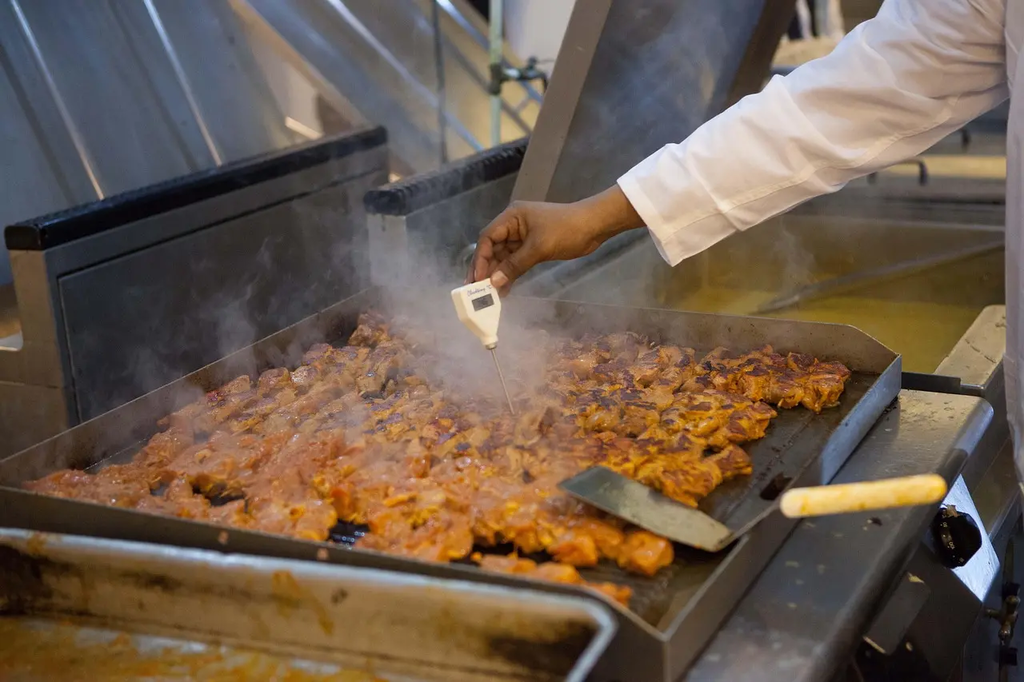
Poultry 165°F (74°C); ground meats 160°F (71°C); whole cuts of beef/pork/lamb 145°F (63°C) with a 3-minute rest; fish 145°F (63°C).
What does 'mise en place' mean and why is it important for safety?
Mise en place means 'put in place'—organizing ingredients and tools before cooking to reduce accidents and improve safety and timing.
How can you reduce burns and splatters while cooking?
Use dry grips and oven mitts, keep pot handles inward, use lids or splatter guards, open lids away from you, and avoid overfilling pans.