Cooking with aromatics involves using flavorful ingredients like onions, garlic, ginger, and herbs to build the foundation of a dish. These ingredients release essential oils and fragrances when heated, enhancing taste and depth. Across global cuisines, aromatics vary—such as sofrito in Latin America, mirepoix in France, or the holy trinity in Cajun cooking—each imparting unique regional flavors and transforming simple dishes into complex culinary experiences.
Cooking with Aromatics
Cooking with aromatics involves using flavorful ingredients like onions, garlic, ginger, and herbs to build the foundation of a dish. These ingredients release essential oils and fragrances when heated, enhancing taste and depth. Across global cuisines, aromatics vary—such as sofrito in Latin America, mirepoix in France, or the holy trinity in Cajun cooking—each imparting unique regional flavors and transforming simple dishes into complex culinary experiences.
💡 Key Takeaways
- Identify common cooking aromatics and their flavor roles in recipes.
- Learn techniques to release aromas (sweating, blooming, toasting) without burning.
- Understand the timing and order of adding aromatics to maximize flavor development.
- Get practical tips for selecting, storing, and pairing aromatics with different cuisines.
❓ Frequently Asked Questions
What are aromatics in cooking?
Aromatics are ingredients like onions, garlic, herbs, spices, and citrus zest that release flavorful compounds to form the recipe's base, adding aroma and depth.
How do you bloom aromatics in oil to maximize flavor?
Warm oil over medium heat until it shimmers, add aromatics and sauté briefly until fragrant, then continue with the recipe. Don’t let them burn.
When should aromatics be added during cooking?
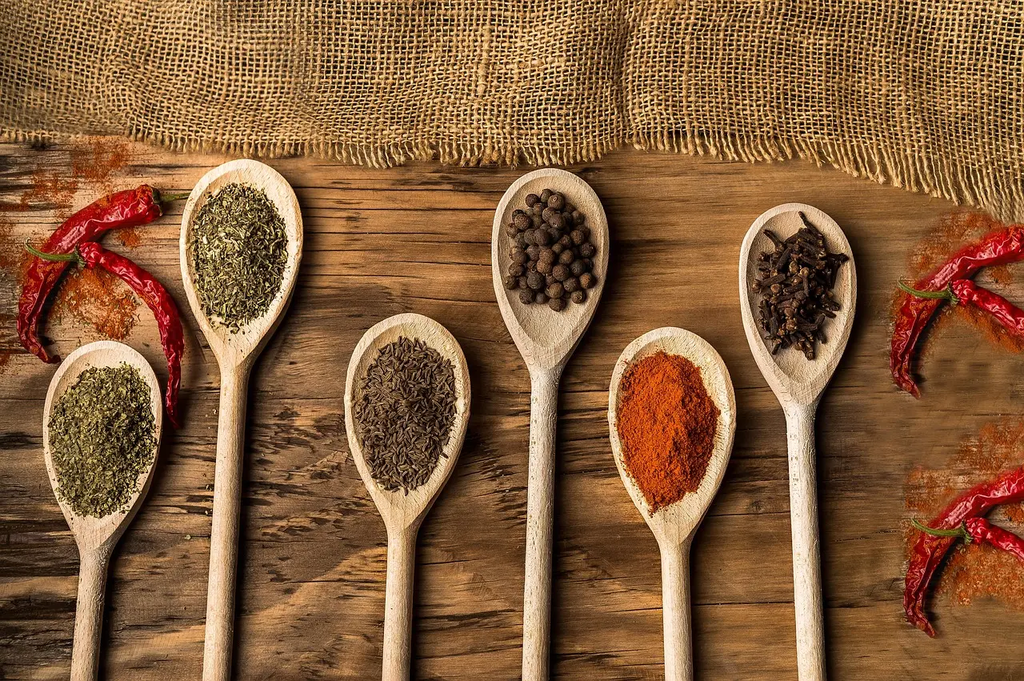
Add sturdy aromatics early to build flavor; delicate ones (garlic, herbs) later to avoid bitterness. Toast spices at the start to release aroma.
How can you balance aroma without overpowering the dish?
Use small amounts, taste as you go, choose compatible aromatics, and adjust or remove if the flavor is too strong.
How should you store fresh aromatics to preserve flavor?
Store onions, garlic, and herbs in the fridge; wrap herbs in a damp towel and place in a bag. Refrigerate citrus zest. Keep dried spices in a cool, dark place.