Cooking with exotic fruits introduces vibrant flavors and unique textures to dishes, reflecting the rich diversity of global cuisines. Using ingredients like dragon fruit, passion fruit, or rambutan, chefs can create innovative recipes that tantalize the palate. This culinary approach not only enhances traditional meals but also encourages exploration of different cultures, offering a delicious fusion of tastes and aromas from around the world, making meals both adventurous and memorable.
Cooking with Exotic Fruits
Cooking with exotic fruits introduces vibrant flavors and unique textures to dishes, reflecting the rich diversity of global cuisines. Using ingredients like dragon fruit, passion fruit, or rambutan, chefs can create innovative recipes that tantalize the palate. This culinary approach not only enhances traditional meals but also encourages exploration of different cultures, offering a delicious fusion of tastes and aromas from around the world, making meals both adventurous and memorable.
💡 Key Takeaways
- Identify ripe exotic fruits and how to select them at the market
- Understand flavor profiles and ideal pairings for popular exotic fruits
- Master basic prep: peeling, cutting, and storage to keep fruits fresh
- Discover versatile uses for exotic fruits in salads, desserts, smoothies, and beverages
❓ Frequently Asked Questions
What counts as exotic fruit in cooking?
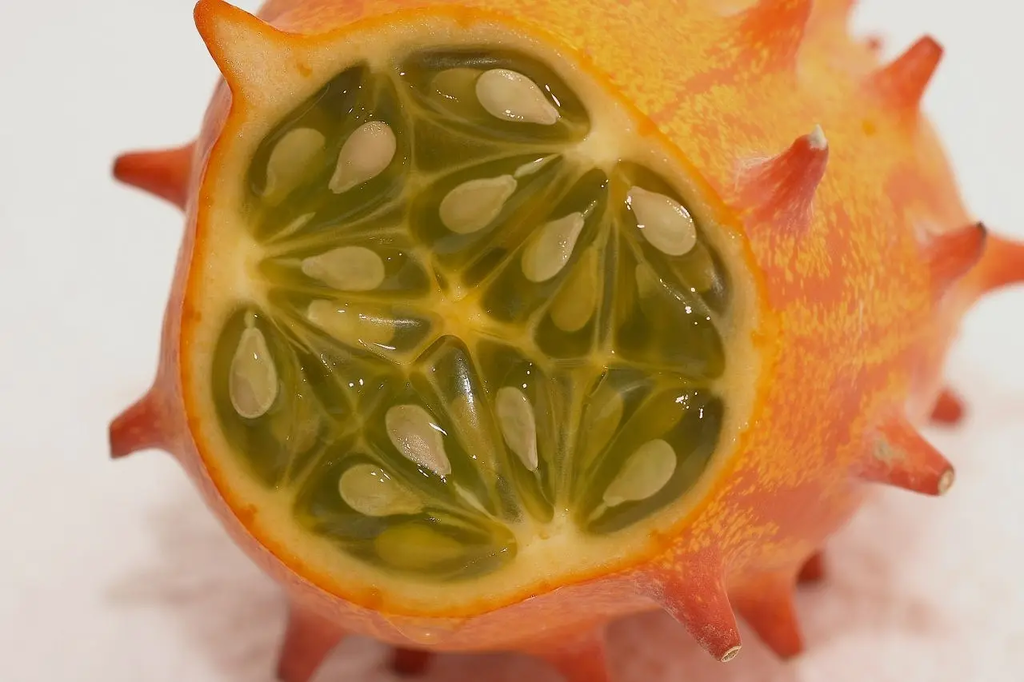
Exotic fruits are unusual or less-common varieties (often tropical) such as dragon fruit, rambutan, jackfruit, or passion fruit that add new textures and flavors beyond everyday produce.
How can you tell when an exotic fruit is ripe?
Ripeness cues depend on the fruit: look for color changes, firmness that yields slightly to pressure, and a pleasant aroma. If unsure, choose firmer fruit and let it ripen at room temperature before using.
How should you use exotic fruits in recipes?
Pair them to highlight their sweetness, acidity, or aroma—use in salads, salsas, smoothies, desserts, or grilled dishes. Balance with citrus, herbs, dairy, or spices to complement their flavors.
What are practical prep tips for exotic fruits?
Peel and cut carefully, remove inedible parts as needed, and taste as you go. Start with small portions to avoid waste, and store according to fruit type to preserve freshness.