Cooking with exotic proteins involves preparing dishes using unconventional or less commonly consumed animal sources, such as ostrich, alligator, insects, or kangaroo. This culinary approach introduces unique textures and flavors, reflecting diverse global cuisines and traditions. Experimenting with these proteins expands the palate, encourages culinary creativity, and often incorporates distinct spices and cooking techniques from various cultures, offering adventurous eaters a chance to experience new and exciting tastes from around the world.
Cooking with Exotic Proteins
Cooking with exotic proteins involves preparing dishes using unconventional or less commonly consumed animal sources, such as ostrich, alligator, insects, or kangaroo. This culinary approach introduces unique textures and flavors, reflecting diverse global cuisines and traditions. Experimenting with these proteins expands the palate, encourages culinary creativity, and often incorporates distinct spices and cooking techniques from various cultures, offering adventurous eaters a chance to experience new and exciting tastes from around the world.
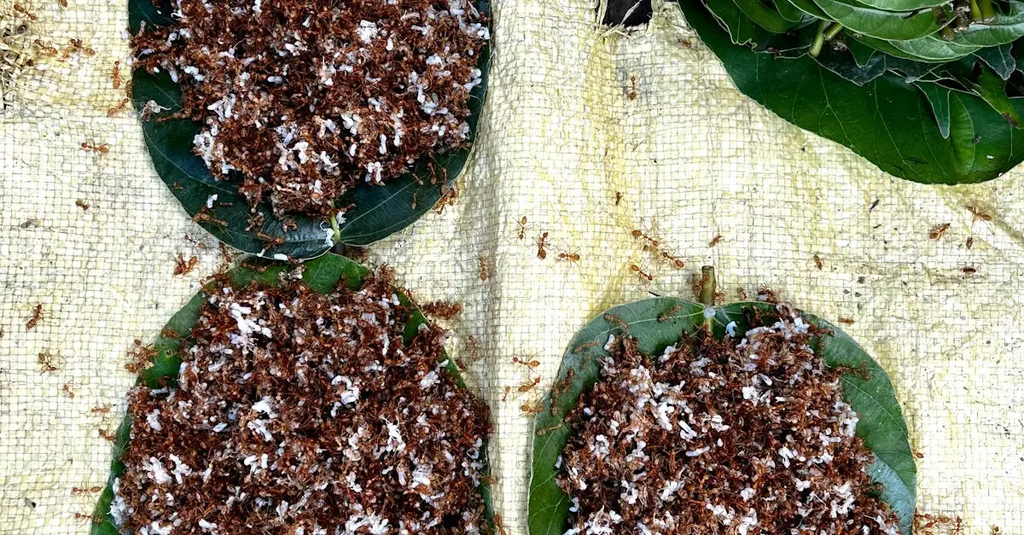
💡 Key Takeaways
- Identify exotic proteins and understand their signature textures and flavors.
- Select cooking methods and temperatures that yield tender, flavorful results for different exotic proteins.
- Handle, thaw, and source exotic proteins safely to minimize food safety risks.
- Create appealing flavor profiles with marinades, rubs, and complementary sides tailored to exotic proteins.
❓ Frequently Asked Questions
What counts as exotic protein?
Proteins not commonly found in everyday cooking—such as insects (crickets, mealworms), game meats (venison, boar), or unusual seafood—fall into this category. Availability and regulations vary by region.
How should I safely source and handle exotic proteins?
Buy from reputable suppliers, check labeling and storage requirements, and practice good kitchen hygiene. Cook insects and meats to safe internal temperatures and avoid cross‑contamination.
What are common cooking methods for exotic proteins?
Insects are often roasted or fried for crunch; game meats respond well to searing or braising; unusual seafood can be grilled or poached. Adapt cooking time, fat, and spices to the protein.
Are there allergen or safety considerations I should know?
Yes. Some people have shellfish or crustacean allergies that can cross‑react with insects. Always follow package directions and local safety guidelines.