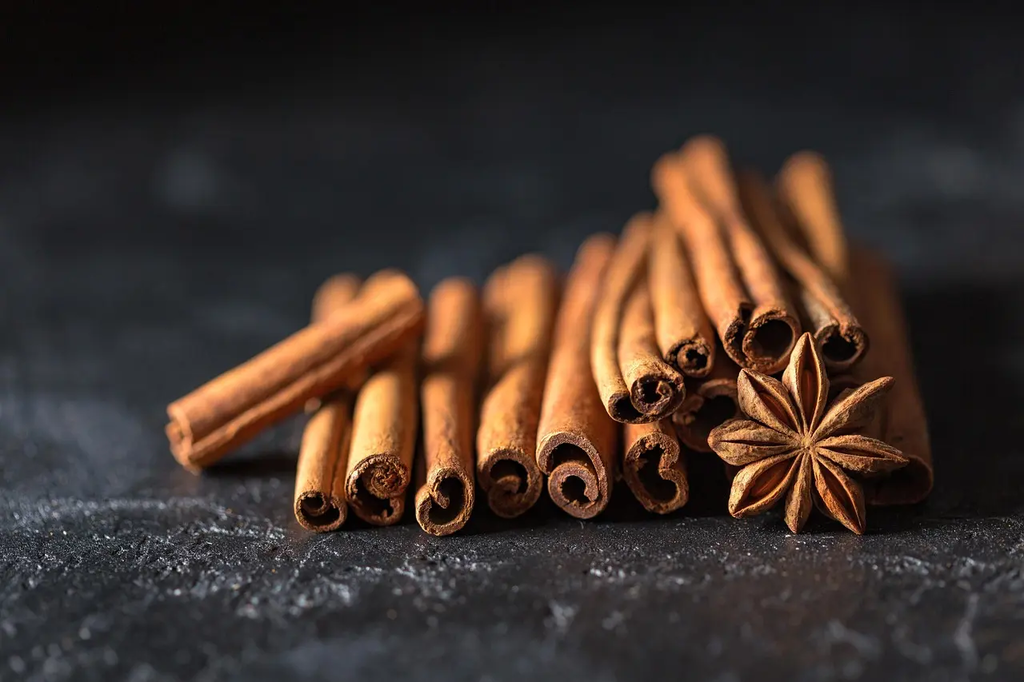
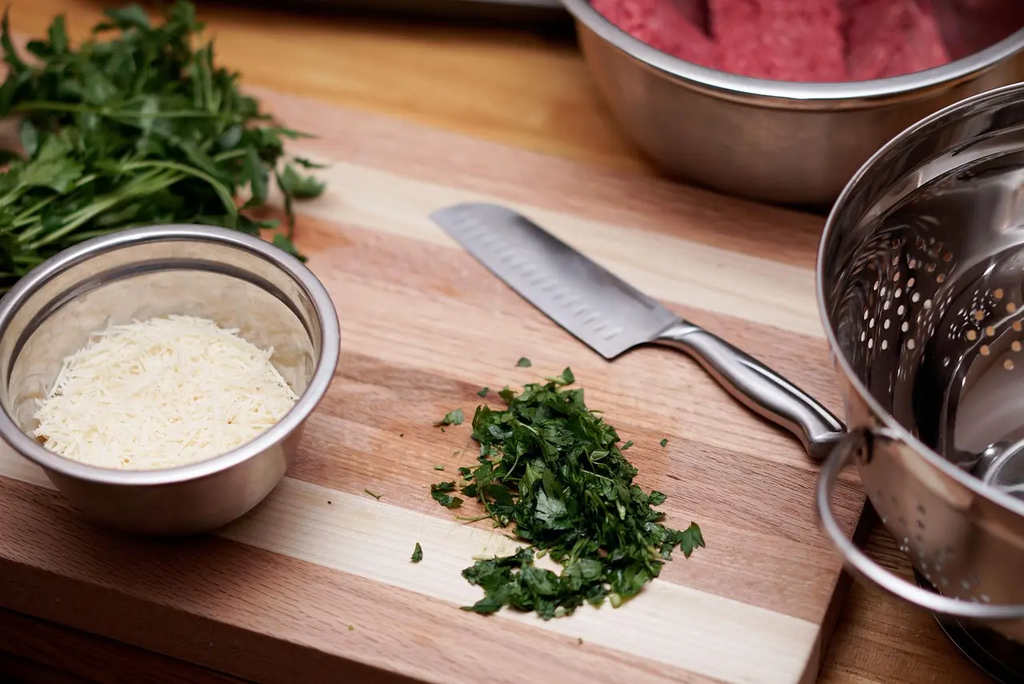
"Cooking with Grains (Food & Global Flavors)" refers to preparing dishes that highlight a variety of grains—such as rice, quinoa, barley, and millet—while incorporating diverse culinary traditions from around the world. This approach celebrates the nutritional value and versatility of grains, showcasing recipes and flavors from different cultures. It invites exploration of international cuisines, blending spices, herbs, and cooking techniques to create wholesome, flavorful meals centered around grains.
Cooking with Grains
"Cooking with Grains (Food & Global Flavors)" refers to preparing dishes that highlight a variety of grains—such as rice, quinoa, barley, and millet—while incorporating diverse culinary traditions from around the world. This approach celebrates the nutritional value and versatility of grains, showcasing recipes and flavors from different cultures. It invites exploration of international cuisines, blending spices, herbs, and cooking techniques to create wholesome, flavorful meals centered around grains.
💡 Key Takeaways
- Understand how different grains (rice, quinoa, barley, oats) behave when cooked and their ideal textures
- Learn essential prep steps like rinsing and soaking to improve texture and reduce excess starch
- Master basic cooking ratios and methods (stovetop, microwave, pressure cooker) for popular grains
- Discover ideas to incorporate cooked grains into meals and boost nutrition
❓ Frequently Asked Questions
Do I need to rinse grains before cooking?
Most grains benefit from a rinse to remove dust and surface starch; quinoa especially should be rinsed to remove bitterness. Rinse until the water runs clear.
What is the general cooking method for grains?
Simmer the grain in water or broth until tender and the liquid is absorbed, then let it rest covered for a few minutes before fluffing.
Do different grains require different water ratios?
Yes. Ratios vary: white rice ~2:1 water:grain, quinoa ~2:1, bulgur ~1.5–2:1, barley ~3–4:1. Check packaging and adjust as needed.
Should grains rest after cooking?
Yes. Let them sit, covered, for 5–10 minutes to finish steaming, then fluff with a fork.
How can I flavor grains during cooking?
Cook in broth or add a pinch of salt; optional oils or butter add flavor and texture. Toasting grains before cooking also boosts flavor.