Cooking with legumes explores the use of beans, lentils, chickpeas, and peas in diverse cuisines worldwide. These protein-rich ingredients are staples in dishes from Indian dals to Mexican refried beans and Middle Eastern hummus. Legumes absorb spices and flavors well, making them versatile for soups, stews, salads, and curries. Their global popularity reflects their nutritional value, affordability, and ability to adapt to a variety of cooking techniques and flavor profiles.
Cooking with Legumes
Cooking with legumes explores the use of beans, lentils, chickpeas, and peas in diverse cuisines worldwide. These protein-rich ingredients are staples in dishes from Indian dals to Mexican refried beans and Middle Eastern hummus. Legumes absorb spices and flavors well, making them versatile for soups, stews, salads, and curries. Their global popularity reflects their nutritional value, affordability, and ability to adapt to a variety of cooking techniques and flavor profiles.
💡 Key Takeaways
- Understand how soaking and rinsing affect cooking time and texture of legumes.
- Learn basic cooking methods for legumes (stovetop simmer, pressure cooker, and canned options).
- Use aromatics and spices to boost flavor and improve digestibility when cooking legumes.
- Identify cooking times and how to test for doneness across different legumes.
- Learn how to store, reheat, and repurpose cooked legumes for meal prep.
❓ Frequently Asked Questions
What are legumes?
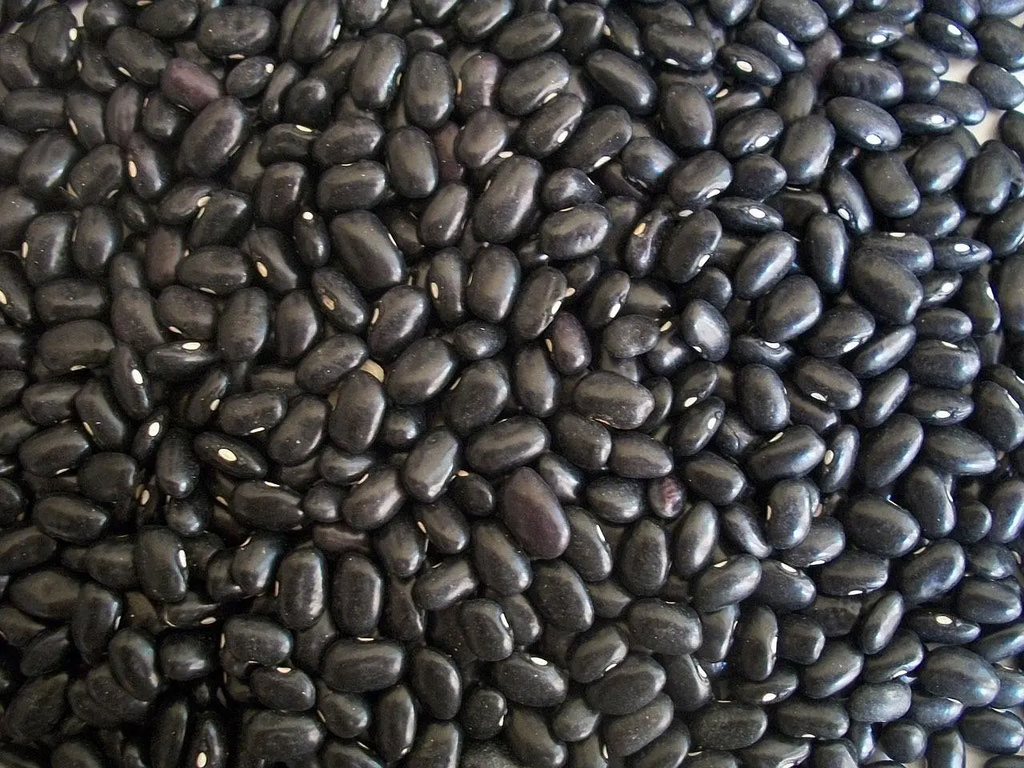
Legumes are seeds from the Fabaceae family with edible pods, including beans, lentils, chickpeas, and peas. They’re a good source of protein, fiber, and micronutrients, and they come dried or canned.
Should I soak dried beans before cooking?
Yes. Soaking 6–8 hours (or overnight) shortens cooking time and improves digestibility. Lentils and split peas generally don’t require soaking.
How do I cook dried beans and lentils?
Dried beans: rinse, soak if desired, then simmer in fresh water until tender (45–90 minutes). Lentils and split peas: rinse and simmer 15–30 minutes until tender. Add salt toward the end.
How can I reduce cooking time or use quicker methods?
Use a pressure cooker or Instant Pot; try the quick soak (boil 2 minutes, soak 1 hour). Canned legumes are the fastest option.
Are canned legumes a good option?
Yes for convenience. Rinse under cold water to remove excess sodium and starch; choose no salt added or low-sodium versions when possible.