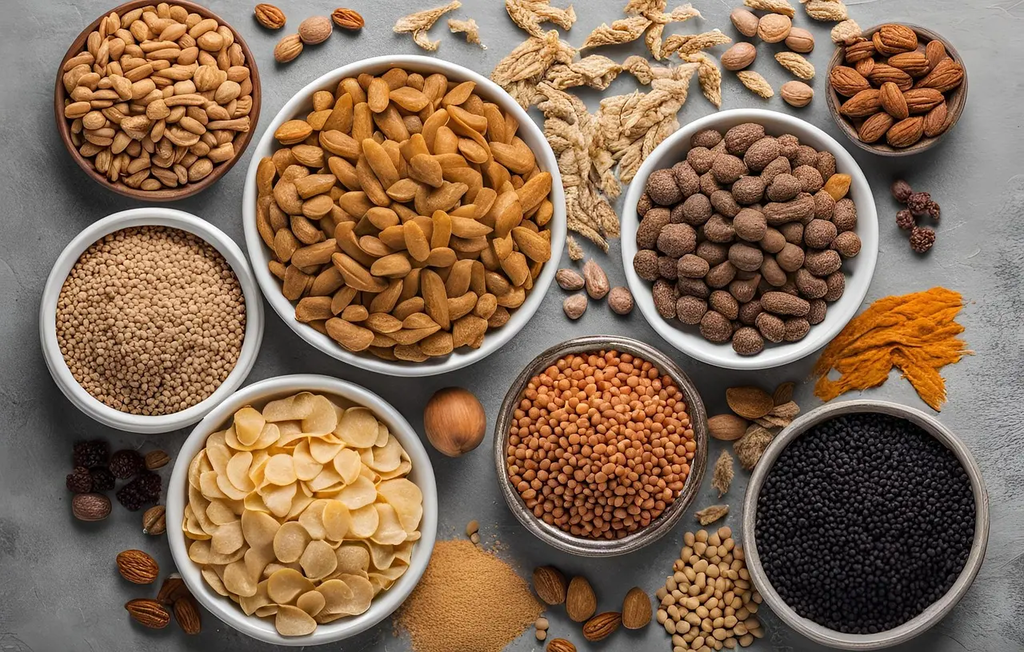
Cooking with nuts and seeds introduces rich textures and flavors to dishes, reflecting diverse global cuisines. From Middle Eastern tahini to Indian curries with cashews, and Southeast Asian peanut sauces, these ingredients add depth, nutrition, and unique taste. They can be roasted, ground, or used whole in both savory and sweet recipes, enhancing everything from salads and stir-fries to baked goods, symbolizing culinary creativity across cultures.
Cooking with Nuts and Seeds
Cooking with nuts and seeds introduces rich textures and flavors to dishes, reflecting diverse global cuisines. From Middle Eastern tahini to Indian curries with cashews, and Southeast Asian peanut sauces, these ingredients add depth, nutrition, and unique taste. They can be roasted, ground, or used whole in both savory and sweet recipes, enhancing everything from salads and stir-fries to baked goods, symbolizing culinary creativity across cultures.
💡 Key Takeaways
- Toast nuts and seeds properly to boost flavor and aroma without burning.
- Choose the right nuts or seeds for different recipes based on texture and taste.
- Use nuts and seeds in savory and sweet dishes, with tips for substitutions and texture.
- Practice safe handling, storage, and allergen awareness when cooking with nuts and seeds.
❓ Frequently Asked Questions
Should I toast nuts and seeds before using them, and how do I do it without burning?
Toasting boosts aroma and flavor. In a dry skillet over medium heat, stir constantly for 3–5 minutes; or bake on a sheet at 175–190°C (350°F) for 5–10 minutes. Let cool before use.
How should I store nuts and seeds to keep them fresh longer?
Keep in airtight containers in a cool, dark place. For longer shelf life, refrigerate or freeze. Avoid moisture and light to prevent rancidity.
What are some versatile ways to use nuts and seeds in cooking?
Chop for texture, grind into flour or paste, blend into sauces or dressings, or press for oil. Ground flax/chia can thicken; seeds like sesame or pumpkin add flavor.
Are there safety notes or common allergies to consider when cooking with nuts and seeds?
Nut and some seed allergies are common. Check labels for cross-contact, and use substitutes if cooking for others with allergies.