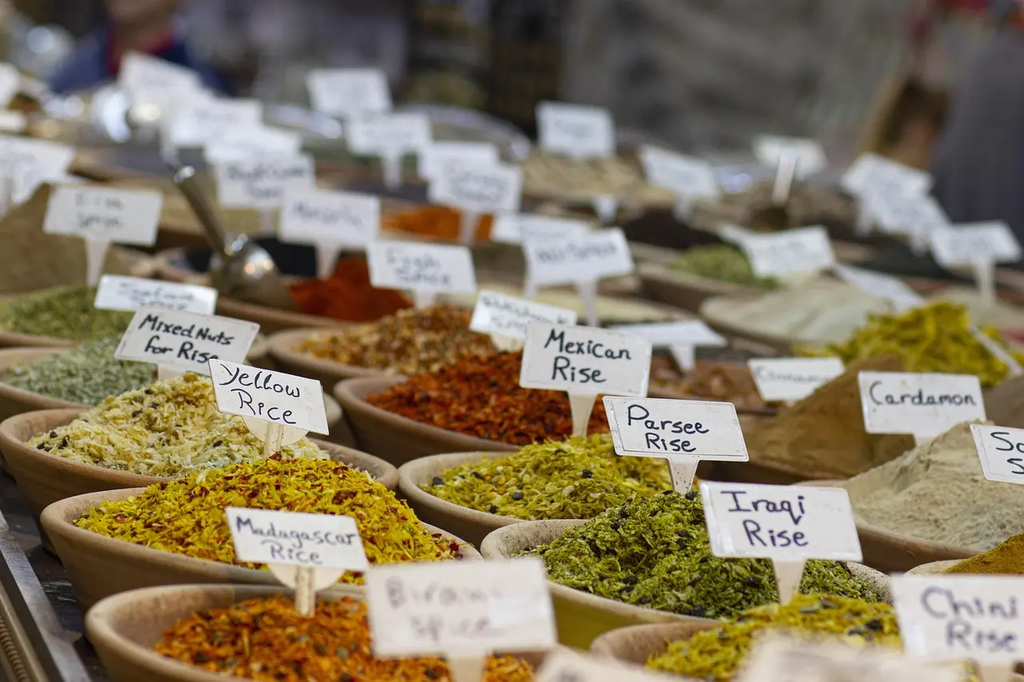
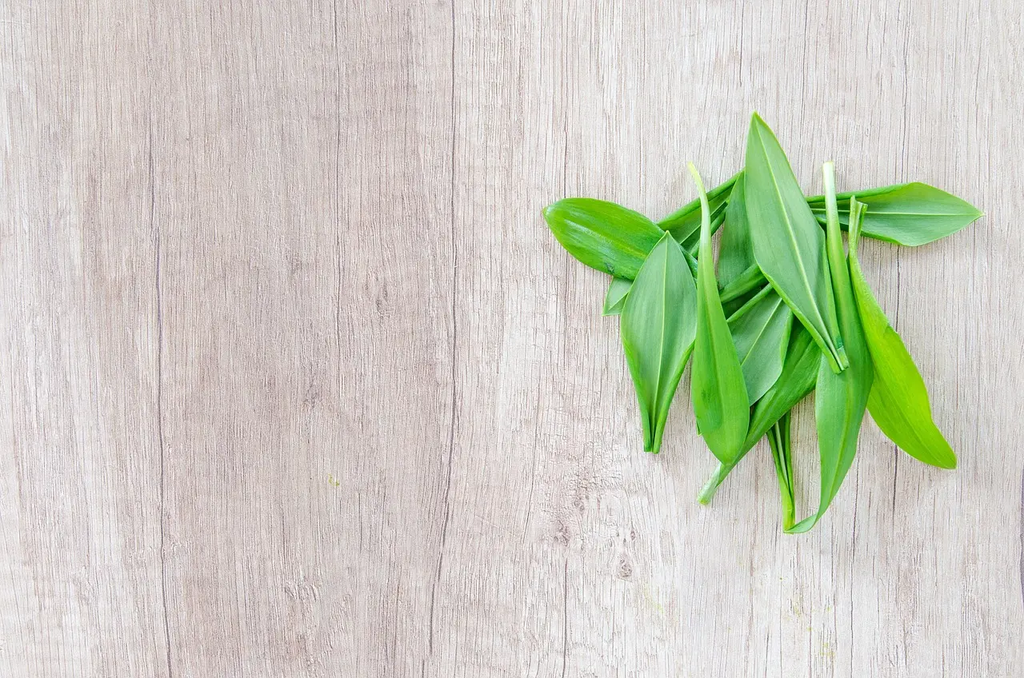
Cooking with rare ingredients involves exploring unique, often hard-to-find foods from around the world. This approach introduces new flavors, textures, and aromas to dishes, expanding culinary horizons and enriching meals with global influences. By incorporating exotic spices, uncommon vegetables, or specialty proteins, cooks can create innovative recipes that celebrate cultural diversity and elevate traditional cuisine, offering an adventurous and memorable dining experience for those seeking something truly special.
Cooking with Rare Ingredients
Cooking with rare ingredients involves exploring unique, often hard-to-find foods from around the world. This approach introduces new flavors, textures, and aromas to dishes, expanding culinary horizons and enriching meals with global influences. By incorporating exotic spices, uncommon vegetables, or specialty proteins, cooks can create innovative recipes that celebrate cultural diversity and elevate traditional cuisine, offering an adventurous and memorable dining experience for those seeking something truly special.
💡 Key Takeaways
- Identify common rare ingredients and their flavor profiles
- Learn how to select, store, and prep rare ingredients to maintain quality
- Master quick techniques to highlight or balance their flavors
- Understand sourcing options and ethical considerations for rare ingredients
❓ Frequently Asked Questions
What qualifies as a 'rare' ingredient in cooking?
An ingredient that is not commonly available in most kitchens—limited regional supply, seasonal availability, high cost, or use mainly in specific cuisines.
Where should I source rare ingredients safely and reliably?
Buy from reputable specialty markets or trusted online retailers; check origin labels, freshness, and packaging; avoid questionable or illegal items.
How can I substitute a rare ingredient if I can't find it?
Use a more common ingredient with a similar flavor or texture; start with a smaller amount and adjust to taste, noting the substitution may change the dish's character.
How should rare ingredients be stored and handled?
Follow packaging guidance; store in a cool, dry, dark place or refrigerate/freezer as required; keep containers sealed to protect flavor and prevent moisture.