Cooking with rare spices involves using unique and often hard-to-find seasonings from around the world to enhance dishes with distinctive flavors and aromas. These spices can transform ordinary meals into extraordinary culinary experiences, offering a taste of global cuisines. Exploring rare spices encourages creativity in the kitchen, introduces new flavor profiles, and connects cooks to diverse cultures and traditions through the universal language of food.
Cooking with Rare Spices
Cooking with rare spices involves using unique and often hard-to-find seasonings from around the world to enhance dishes with distinctive flavors and aromas. These spices can transform ordinary meals into extraordinary culinary experiences, offering a taste of global cuisines. Exploring rare spices encourages creativity in the kitchen, introduces new flavor profiles, and connects cooks to diverse cultures and traditions through the universal language of food.
💡 Key Takeaways
- Define what makes a spice 'rare' and identify global examples.
- Learn to unlock aroma and flavor with toasting, grinding, and blooming spices in oil or fat.
- Master storage and shelf-life basics to keep rare spices fresh and potent.
- Explore pairing ideas and substitution approaches to use rare spices across cuisines without overpowering dishes.
❓ Frequently Asked Questions
What counts as a rare spice, and why are they prized in cooking?
Rare spices are those that are hard to find or produced in limited quantities. They bring distinctive aromas and flavors that everyday spices can't match—use them in small amounts to avoid overpowering a dish.
How should rare spices be stored to retain their flavor?
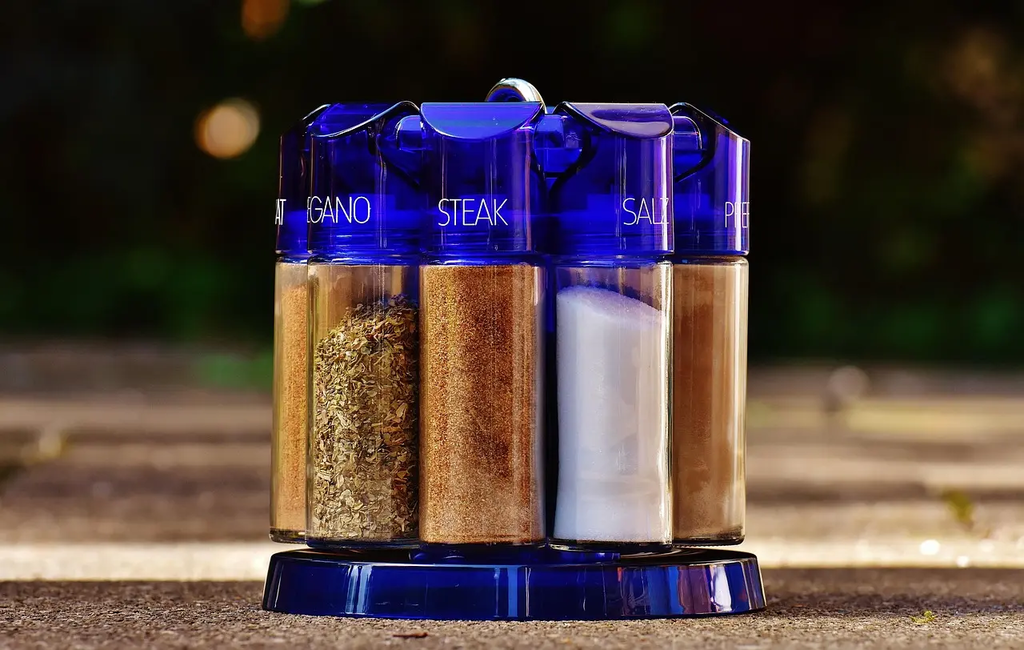
Store whole spices in airtight, opaque containers away from light, heat, and moisture. Ground spices lose aroma quickly, so grind as needed and use soon after grinding.
What steps help unlock the aroma of rare spices when cooking?
Toast whole spices in a dry skillet to release essential oils, then grind just before use. Add ground spices at the right stage (early for warmth, late for aroma) and avoid burning.
How do I measure and balance rare spices so they don't overpower a dish?
Start with small amounts—pinch to 1/4 teaspoon depending on potency—then taste and adjust gradually. Consider the dish’s flavor base and pair spices with compatible ingredients to enhance, not overwhelm, the dish.