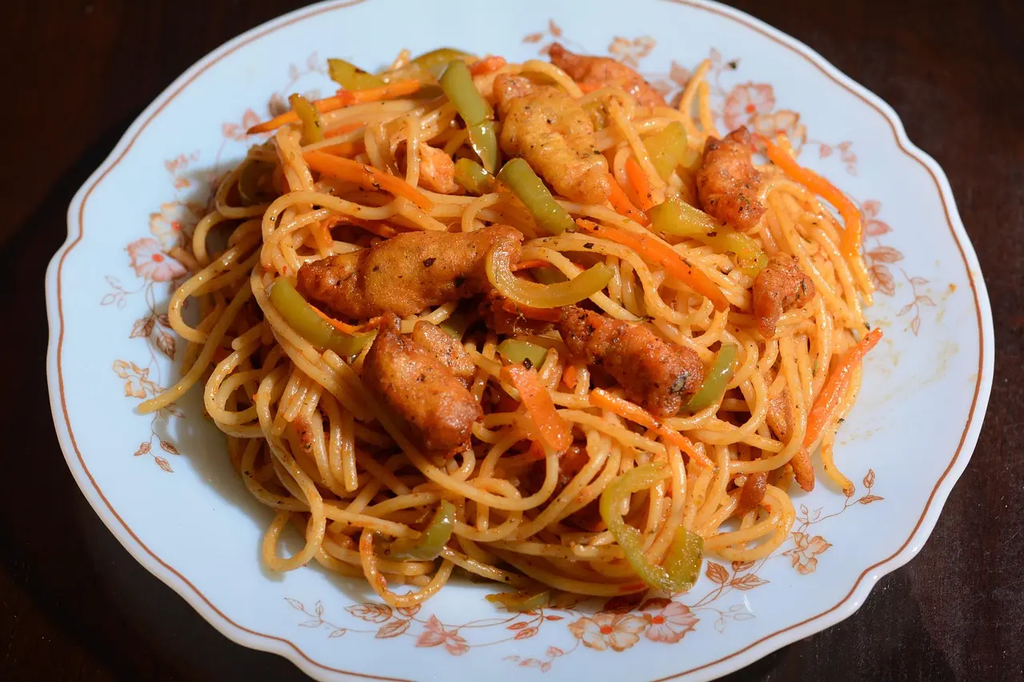
Cooking with seasonal ingredients involves using fruits, vegetables, and other foods at their peak freshness and flavor, typically harvested in their natural growing season. This approach not only enhances taste and nutrition but also supports local farmers and reduces environmental impact. By blending seasonal produce with global flavors and techniques, cooks can create diverse, vibrant dishes that celebrate both local bounty and international culinary traditions.
Cooking with Seasonal Ingredients
Cooking with seasonal ingredients involves using fruits, vegetables, and other foods at their peak freshness and flavor, typically harvested in their natural growing season. This approach not only enhances taste and nutrition but also supports local farmers and reduces environmental impact. By blending seasonal produce with global flavors and techniques, cooks can create diverse, vibrant dishes that celebrate both local bounty and international culinary traditions.
💡 Key Takeaways
- Understand what seasonal ingredients are and why cooking with them boosts flavor and nutrition.
- Identify in-season produce in your region and plan meals around peak harvest times.
- Use simple techniques to let seasonal flavors shine (roasting, sautéing, fresh prep).
- Store and prep seasonal produce properly to maximize freshness and minimize waste.
❓ Frequently Asked Questions
What does cooking with seasonal ingredients mean?
Using produce and other ingredients at their peak in your region’s current season to maximize flavor, texture, and nutrition.
How can you tell what’s in season locally?
Visit farmers’ markets, check regional seasonal calendars, or ask your grocer; look for fresh, vibrant produce labeled as in season.
Why cook with seasonal ingredients?
They taste better, cook more efficiently, often cost less, and support local farmers and sustainability.
What should you do if a desired seasonal ingredient isn’t available?
Choose a similar in-season substitute, adjust flavors and cooking times, or use preserved options (frozen/canned) to maintain balance.