Cooking with uncommon vegetables explores the use of lesser-known produce in culinary creations, introducing unique textures and flavors to everyday meals. By incorporating global influences and diverse cooking techniques, this approach broadens the palate and encourages experimentation in the kitchen. It celebrates cultural diversity, sustainability, and creativity, inviting cooks to discover new ingredients and transform traditional dishes with vibrant, unexpected twists from around the world.
Cooking with Uncommon Vegetables
Cooking with uncommon vegetables explores the use of lesser-known produce in culinary creations, introducing unique textures and flavors to everyday meals. By incorporating global influences and diverse cooking techniques, this approach broadens the palate and encourages experimentation in the kitchen. It celebrates cultural diversity, sustainability, and creativity, inviting cooks to discover new ingredients and transform traditional dishes with vibrant, unexpected twists from around the world.
💡 Key Takeaways
- Identify and select uncommon vegetables and choose the right one for your dish.
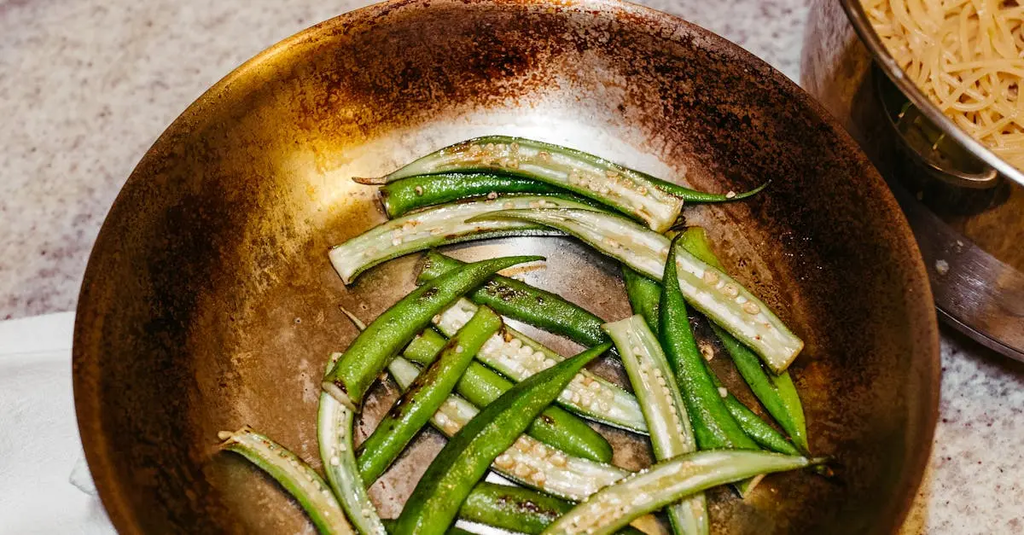
- Prep and cook unfamiliar vegetables with basic methods (blanching, roasting, sautéing) to maximize flavor and texture.
- Explore flavor pairings and simple sauces to create balanced, tasty dishes using uncommon produce.
- Store, clean, and handle uncommon vegetables safely to maintain freshness and nutrition.
❓ Frequently Asked Questions
What counts as an 'uncommon vegetable' for cooking?
Vegetables not commonly used in everyday cooking or widely sold in standard groceries, such as heirloom varieties, unusual greens, roots, or gourds. They offer distinct textures and flavors to explore.
How do I choose fresh uncommon vegetables?
Look for firmness, vibrant color, and a fresh scent. Avoid limp stems, soft spots, or yellowing leaves. Buy in season or from farmers markets or specialty markets; store in the fridge and use soon.
What's the best way to cook them so their flavors shine?
Use simple methods like roasting, sautéing, or blanching. Cut into uniform pieces, season with salt and a little oil, and taste as you go. Some may require peeling or trimming.
How do I pair uncommon vegetables with other flavors?
Pair with citrus, herbs, nuts, fats (olive oil or butter), and umami boosters (miso, soy). Balance any bitterness with acidity or sweetness, and use complementary textures for interest.