Cooking with unusual textures involves exploring ingredients and techniques that create surprising sensations in the mouth, such as chewy tapioca pearls, crunchy lotus root, or silky tofu. By incorporating global flavors, chefs blend diverse spices and seasonings from various cultures, resulting in innovative dishes that delight both the palate and senses. This approach encourages creativity, challenges traditional expectations, and celebrates the rich diversity of world cuisines through unique textural experiences.
Cooking with Unusual Textures
Cooking with unusual textures involves exploring ingredients and techniques that create surprising sensations in the mouth, such as chewy tapioca pearls, crunchy lotus root, or silky tofu. By incorporating global flavors, chefs blend diverse spices and seasonings from various cultures, resulting in innovative dishes that delight both the palate and senses. This approach encourages creativity, challenges traditional expectations, and celebrates the rich diversity of world cuisines through unique textural experiences.
💡 Key Takeaways
- Explore how techniques create unusual textures such as foams, gels, emulsions, and crisp textures.
- Identify and balance textures (crunchy, chewy, creamy, silky) to enhance a dish.
- Try beginner-friendly methods to achieve unusual textures at home, like gelatin/agar gels, siphon foams, and dehydration.
- Understand how texture influences flavor perception and overall eating experience.
❓ Frequently Asked Questions
What does "unusual textures" in cooking mean?
It refers to changing how food feels in the mouth beyond the standard textures, using techniques like gels, foams, emulsions, and dehydration to alter firmness, creaminess, crunch, or viscosity.
What are common methods to create unusual textures?
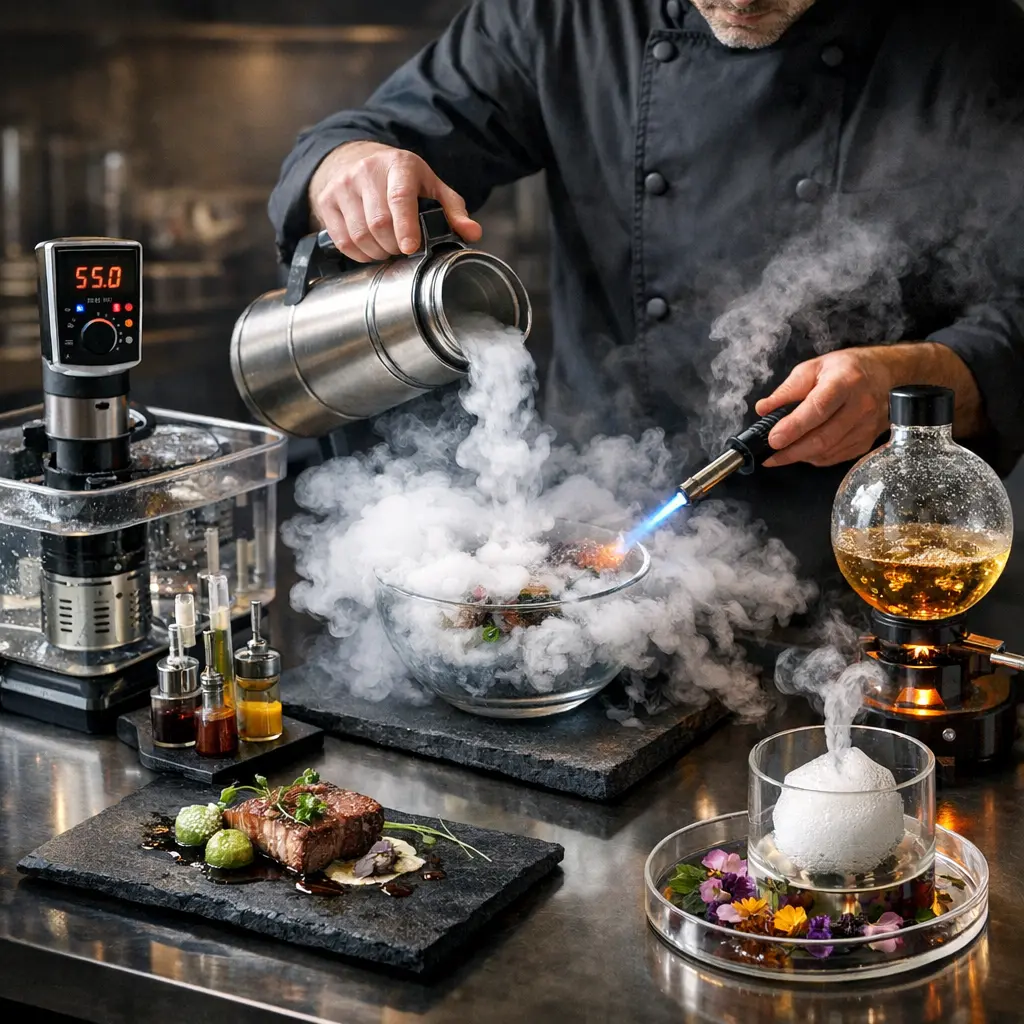
Techniques include gelation to form gels; foaming to add air; emulsification to create creamy or light blends; encapsulation or spherification to create burst-in-the-mouth spheres; and dehydration to concentrate texture.
What is spherification?
A molecular gastronomy technique that forms small, gel-coated spheres from a flavored liquid using calcium salts, delivering a burst of liquid.
How does texture influence flavor perception?
Texture affects mouthfeel and can change how flavors are perceived; contrasting textures can enhance or mute taste intensity and overall enjoyment.