"Cooking with Wild Herbs (Food & Global Flavors)" refers to the practice of incorporating naturally foraged herbs into culinary dishes, drawing inspiration from diverse international cuisines. This approach enhances flavors, introduces unique aromas, and adds nutritional value to meals. By using wild herbs, cooks connect with traditional foodways and global culinary techniques, creating innovative recipes that celebrate both local landscapes and worldwide gastronomic diversity.
Cooking with Wild Herbs
"Cooking with Wild Herbs (Food & Global Flavors)" refers to the practice of incorporating naturally foraged herbs into culinary dishes, drawing inspiration from diverse international cuisines. This approach enhances flavors, introduces unique aromas, and adds nutritional value to meals. By using wild herbs, cooks connect with traditional foodways and global culinary techniques, creating innovative recipes that celebrate both local landscapes and worldwide gastronomic diversity.
💡 Key Takeaways
- Identify common edible wild herbs and basic safety tips for using them
- Clean, dry, and store wild herbs to preserve flavor
- Understand flavor profiles and how to pair wild herbs with dishes
- Try simple techniques and recipes using wild herbs (pestos, infusions, garnishes)
❓ Frequently Asked Questions
What counts as wild herbs in cooking?
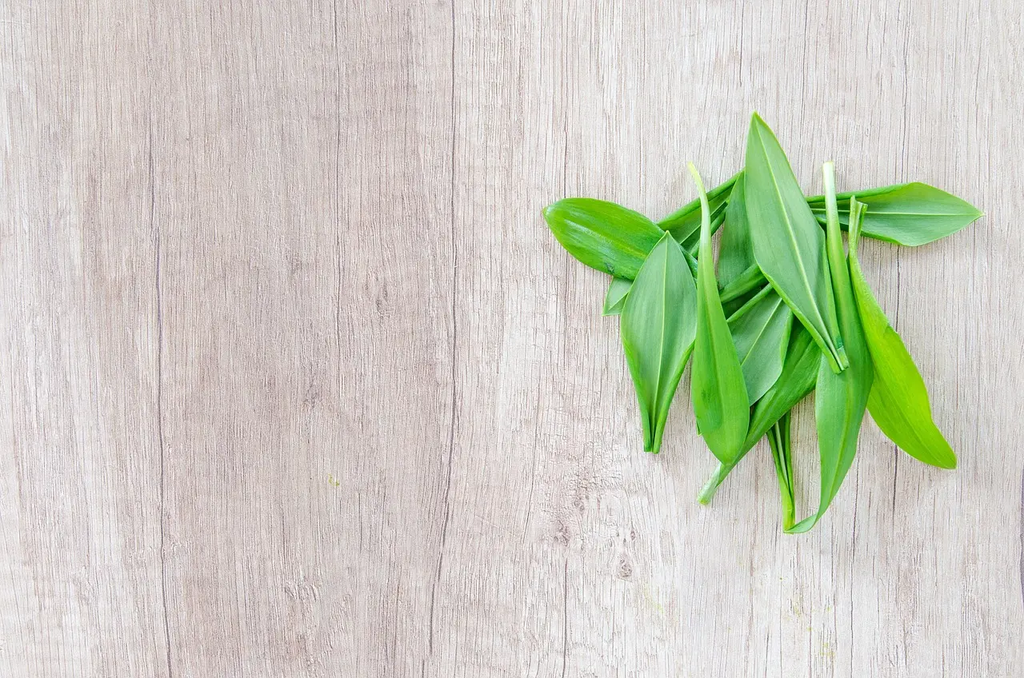
Edible plants that grow in the wild or in uncultivated areas and are used to flavor foods, such as wild garlic, dandelion greens, sorrel, nettles, chickweed, purslane, and wild thyme; always confirm positive identification before eating.
How do I safely identify and harvest wild herbs?
Use field guides or an expert, start with familiar species, verify key features (leaves, stems, flowers), avoid poisonous look-alikes, harvest away from roads and pollution, and take only what you’ll use.
How should I use wild herbs in recipes?
Fresh herbs are often added near the end for aroma; dried herbs are more potent and can be added earlier. Start with small amounts, adjust to taste, and pair with compatible foods (lemon with greens, dill with fish, thyme with meat).
How do I store and preserve wild herbs?
For short-term use, wrap fresh herbs in a damp paper towel and refrigerate; for longer storage, dry or freeze. Store in airtight containers away from light and heat, and label with the date.