Cosmology and astrophysics in fiction explore the universe’s origins, structure, and phenomena through imaginative storytelling. Authors weave scientific theories—like the Big Bang, black holes, and multiverse concepts—into narratives, creating compelling worlds and scenarios. These stories often inspire wonder about space, time, and humanity’s place in the cosmos, blending real scientific principles with speculative elements to provoke thought, awe, and curiosity in readers and viewers.
Cosmology & Astrophysics in Fiction
Cosmology and astrophysics in fiction explore the universe’s origins, structure, and phenomena through imaginative storytelling. Authors weave scientific theories—like the Big Bang, black holes, and multiverse concepts—into narratives, creating compelling worlds and scenarios. These stories often inspire wonder about space, time, and humanity’s place in the cosmos, blending real scientific principles with speculative elements to provoke thought, awe, and curiosity in readers and viewers.
💡 Key Takeaways
- Grasp how Big Bang, expansion, and inflation shape fictional universes.
- See black holes and other extreme phenomena used as plot devices and worldbuilding tools.
- Explore multiverse concepts and alternate realities as narrative mechanisms.
- Learn how authors blend real cosmology with storytelling for plausible, imaginative settings.
❓ Frequently Asked Questions
What does cosmology in fiction mean?
It blends real ideas about the universe's origins and structure with imaginative storytelling, letting authors explore topics like the Big Bang, black holes, and the multiverse in fictional settings.
What is a black hole and how is it used in stories?
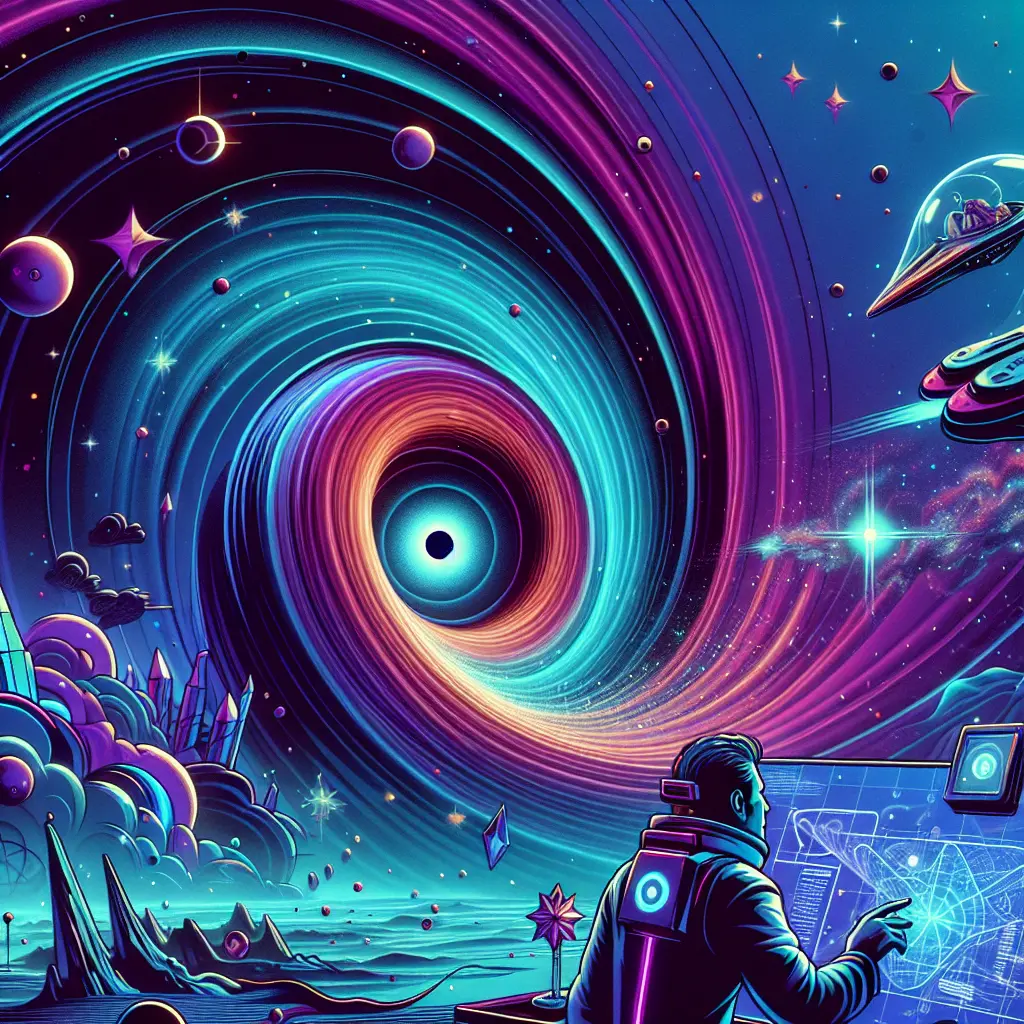
A region of spacetime with gravity so strong that nothing can escape. In fiction, black holes often serve as travel portals, time-dilation effects, or mysterious focal points for discovery.
What is the Big Bang theory and how might it appear in fiction?
The theory that the universe began from a hot, dense state and expanded over time. In stories, it can explain cosmic origins, early-universe phenomena, or alternate histories tied to its consequences.
What is the multiverse and why is it popular in sci-fi cosmology?
The idea that many universes exist with different laws or histories. It enables parallel worlds, alternate timelines, and crossovers between franchises.