Cost and latency risk optimization for inference refers to the process of balancing financial expenses and response times when deploying machine learning models for real-time predictions. It involves selecting the most efficient infrastructure, algorithms, and configurations to minimize costs and reduce delays, while also managing the risk that performance or availability might fluctuate. This ensures reliable, fast, and affordable inference services for users and applications.
Cost and latency risk optimization for inference
Cost and latency risk optimization for inference refers to the process of balancing financial expenses and response times when deploying machine learning models for real-time predictions. It involves selecting the most efficient infrastructure, algorithms, and configurations to minimize costs and reduce delays, while also managing the risk that performance or availability might fluctuate. This ensures reliable, fast, and affordable inference services for users and applications.
💡 Key Takeaways
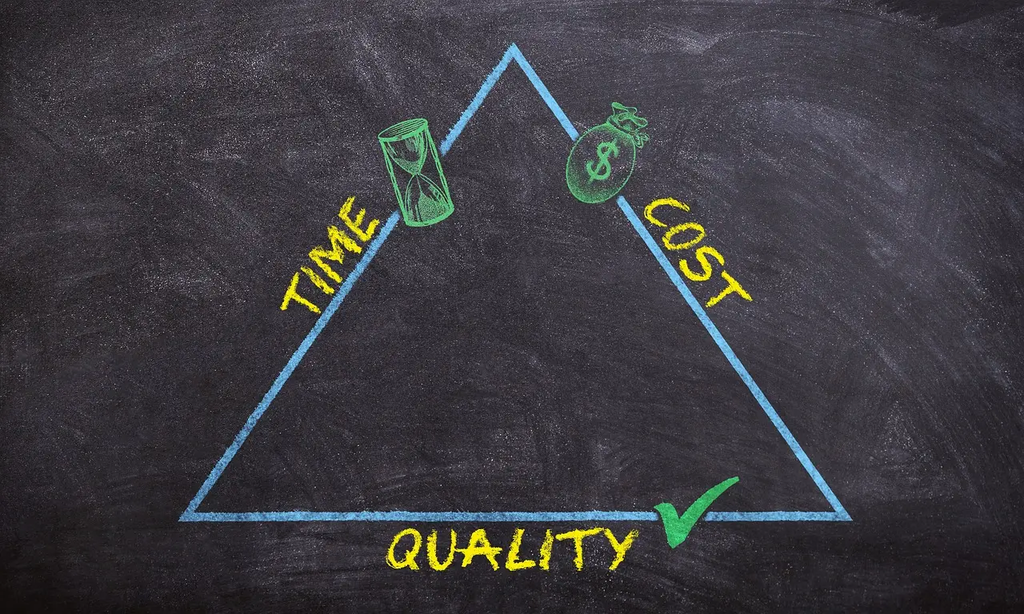
- Understand the cost–latency trade-off in real-time ML inference and how to set clear latency targets and cost goals.
- Know how to choose infrastructure and apply model optimizations (quantization, pruning, distillation, batching) to reduce cost without compromising required latency.
- Apply strategies to mitigate latency risk in production (auto-scaling, caching, warm-up, asynchronous inference) and enforce latency budgets.
- Track and interpret key metrics (p95/p99 latency, cost per prediction, tail latency) and implement governance to prevent budget overruns.
❓ Frequently Asked Questions
What is cost and latency risk optimization for inference?
It is the practice within operational risk management for AI systems of balancing monetary cost and response time when serving real-time predictions, aiming to minimize expenses while meeting latency and reliability targets.
What is inference in machine learning, and how does it differ from training?
Inference is using a trained model to make predictions on new data; training is the process of building that model from historical examples.
What factors influence the cost and latency of model inference?
Model size and complexity, hardware accelerators, deployment location (edge vs cloud), data pipeline and network latency, batch size, and caching or batching strategies.
What techniques can reduce cost while maintaining latency?
Model optimization (quantization, pruning, distillation), efficient serving stacks, selective batching or asynchronous processing, and hardware-aware deployment.
What metrics indicate success in cost and latency optimization?
Latency percentiles (e.g., p95/p99), throughput, cost per inference, total cost, and whether service level agreements (SLAs) are met.