The phrase "Countries by Exclusive Economic Zones and Capitals" refers to a classification or listing of nations based on the size or extent of their Exclusive Economic Zones (EEZs)—maritime areas where they have special rights over the exploration and use of marine resources. Additionally, it includes information about the capital cities of these countries, providing a comprehensive overview that connects geographical, economic, and political data.
Countries by Exclusive Economic Zones and Capitals
The phrase "Countries by Exclusive Economic Zones and Capitals" refers to a classification or listing of nations based on the size or extent of their Exclusive Economic Zones (EEZs)—maritime areas where they have special rights over the exploration and use of marine resources. Additionally, it includes information about the capital cities of these countries, providing a comprehensive overview that connects geographical, economic, and political data.
💡 Key Takeaways
- Define what an Exclusive Economic Zone (EEZ) is and how it extends up to 200 nautical miles from a country's coast for resource rights.
- Explain why EEZ sizes vary widely between countries, considering factors like coastline length, island chains, and continental shelves.
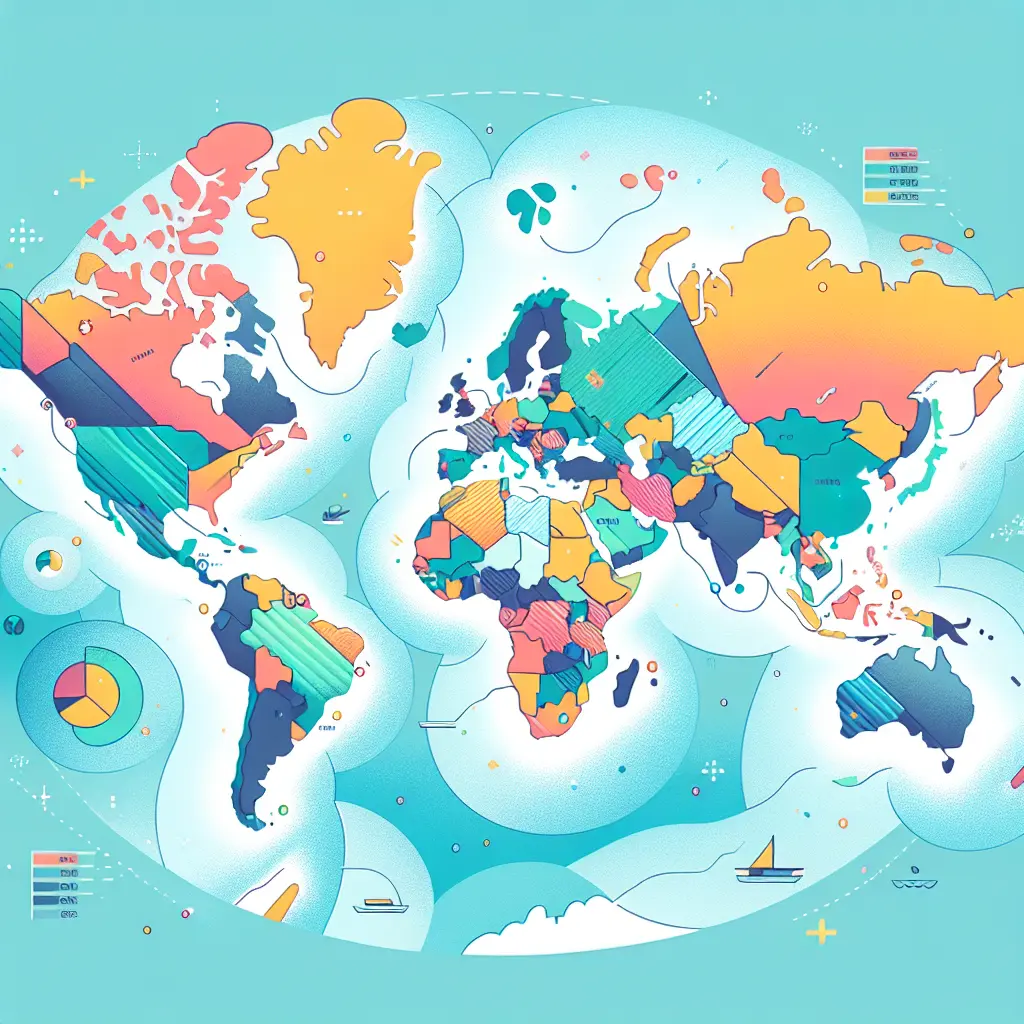
- Explore how capital cities relate to geography and learn to locate major capitals on a world map in context with their EEZs.
- Develop map-reading skills to compare nations by EEZ extent and capital locations within a geography challenge format.
❓ Frequently Asked Questions
What is an Exclusive Economic Zone (EEZ)?
An EEZ is a sea zone up to 200 nautical miles from a country's coastline where it has exclusive rights to explore, exploit, and manage natural resources (fishing, minerals, energy). It doesn’t grant full sovereignty over the waters.
How big is an EEZ and what does 200 nautical miles mean?
An EEZ extends up to 200 nautical miles from the coast, about 370 kilometers. The area is measured in square kilometers and boundaries may be defined by international law or treaties.
Which country has the largest EEZ and why?
France has one of the largest EEZs largely due to its overseas territories; the United States also has a very large EEZ. Size depends on coastlines and possessions, not just land area.
What is a capital city, and is it always the largest city or on the coast?
A capital is the administrative center where the government is based. It is not always the largest city and is not necessarily on the coast.
Do landlocked countries have an EEZ? If not, why?
No. EEZs are maritime zones measured from coastlines. Landlocked countries have no coastline and therefore no EEZ, though they may have access rights via treaties for regional waters.